Huawei has unveiled the MateBook Pro S, a 14-inch ultralight laptop that weighs just 798 grams — roughly 450 grams lighter than the current MacBook Air M5. At 11.9 mm thick, it pairs a 14.2-inch OLED display (3.1K resolution, 120 Hz, up to 1,600 nits peak brightness) with Huawei’s own Kirin XE90 processor, up to 32 GB of RAM, and up to 1 TB of storage. The battery is rated at 54 Wh with a claimed 18 hours of battery life. In China, pricing starts at 8,000 yuan (roughly $1,100). On paper, the MateBook Pro S challenges the MacBook Air in several key areas — but the software story is far more complicated.
What you need to know
- The MateBook Pro S weighs 798 g and is 11.9 mm thick, compared to the MacBook Air M5’s 1,240 g and 11.3 mm.
- Its 14.2-inch OLED screen offers 3.1K resolution, 120 Hz refresh rate, and 1,600-nit peak brightness — versus the MacBook Air’s 13.6-inch IPS at 60 Hz and ~500 nits.
- It runs HarmonyOS 6.1, Huawei’s own platform, which has a significantly smaller app ecosystem than macOS.
- Both laptops offer up to 32 GB RAM and claim up to 18 hours of battery life, but the MacBook Air supports up to 4 TB of storage versus 1 TB on the Huawei.
Huawei MateBook Pro S
MateBook Pro S specifications
Huawei has positioned the MateBook Pro S as an ultralight 14-inch notebook. The key specifications include:
- 14.2-inch OLED display: 3.1K resolution, 120 Hz refresh rate, up to 1,600 nits peak brightness
- Kirin XE90 processor (Huawei’s in-house design)
- Up to 32 GB RAM and up to 1 TB storage
- 54 Wh battery with a claimed 18 hours of battery life
- Anti-Spy Privacy technology — a feature that limits screen visibility from side angles, compared in the source to Samsung’s Privacy Display on the Galaxy S26 Ultra
- HarmonyOS 6.1 operating system

The MateBook Pro S comes in multiple color options
Head-to-head: MateBook Pro S vs MacBook Air M5
The MacBook Air M5 (13-inch), released in March 2026 and starting at $1,099, remains a benchmark for thin-and-light laptops. Here is how the two compare on paper:
| Specification | Huawei MateBook Pro S | MacBook Air M5 (13″) |
|---|---|---|
| Weight | 798 g | 1,240 g |
| Thickness | 11.9 mm | 11.3 mm |
| Display | 14.2″, OLED, 3.1K, 120 Hz, 1,600 nits | 13.6″, IPS, 2560×1664, 60 Hz, ~500 nits |
| Processor | Kirin XE90 | Apple M5 |
| RAM | Up to 32 GB | Up to 32 GB |
| Storage | Up to 1 TB | Up to 4 TB |
| Battery | 54 Wh, up to 18 h | ~53.8 Wh, up to 18 h |
| Privacy screen | Anti-Spy Privacy | No |
| OS | HarmonyOS 6.1 | macOS 26 Tahoe |
The display is the most striking difference. Huawei offers an OLED panel versus Apple’s IPS, with double the refresh rate and roughly triple the peak brightness. For outdoor use and media consumption, the MateBook Pro S has a clear advantage on paper.
The weight gap is also dramatic: the Huawei is nearly 450 grams lighter. The MacBook Air is marginally thinner at 11.3 mm versus 11.9 mm, but the source notes that half a millimeter is unlikely to be noticeable in practice, while the weight difference would be.
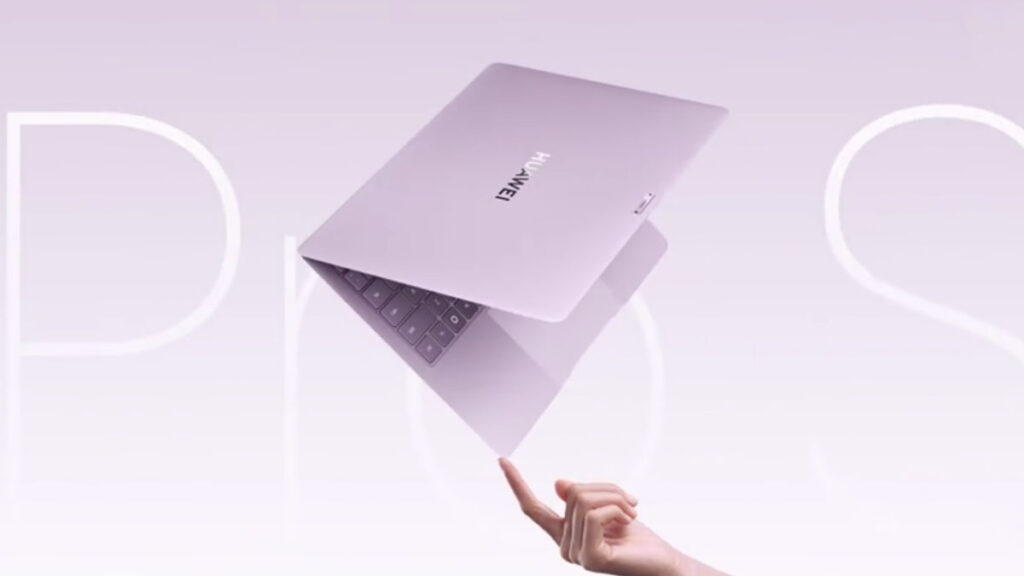
The MateBook Pro S is remarkably light for a full-featured laptop
Battery capacity and claimed battery life are essentially identical. Both offer up to 32 GB of RAM. Apple has a clear edge in maximum storage, offering configurations up to 4 TB versus Huawei’s 1 TB ceiling.
The software question: HarmonyOS vs macOS
Hardware advantages only tell part of the story. The MateBook Pro S runs HarmonyOS 6.1, which the source describes as a standalone platform with its own kernel — no longer a reskinned Android. However, it is still a relatively young operating system. The familiar suite of Western professional applications is largely absent or requires workarounds, and the app store is still growing.
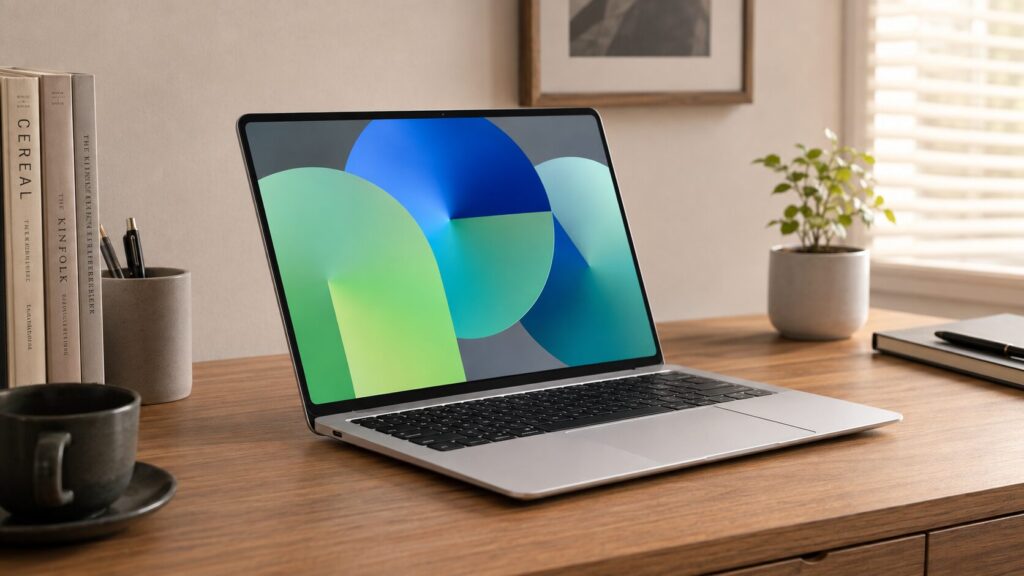
The MateBook Pro S runs HarmonyOS 6.1
For users who depend on Microsoft Office, Adobe’s creative suite, or a wide range of professional utilities, the source identifies this as a real barrier. macOS, by contrast, has a mature software library, established update cycles, and broad third-party support.
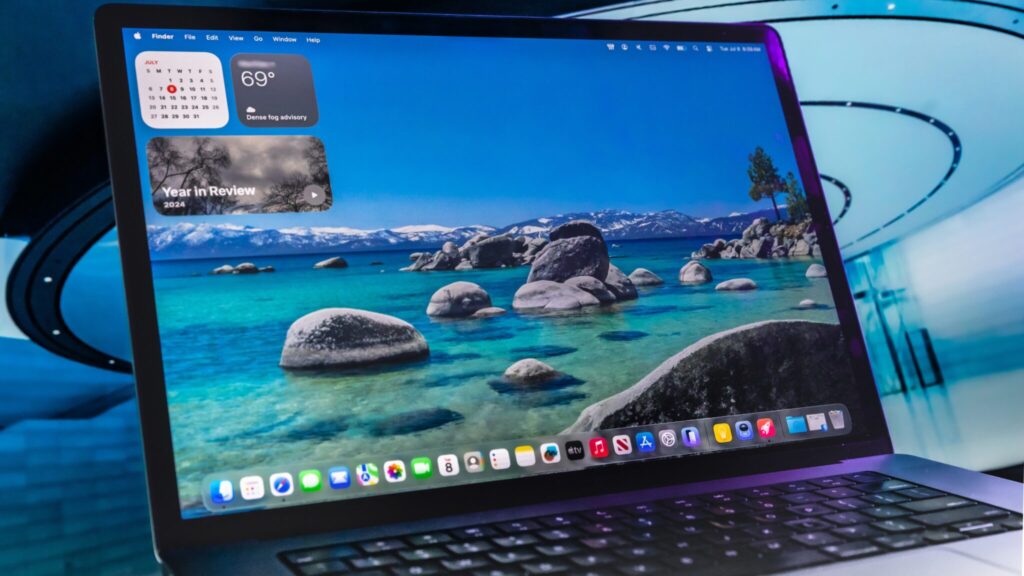
The MacBook Air ships with macOS Tahoe
Ecosystem integration is another factor. Apple’s AirDrop, Continuity, Handoff, and universal clipboard create a seamless experience across iPhone, iPad, and Mac. The source notes that Huawei is moving in a similar direction within its own device ecosystem, but HarmonyOS cannot yet match this level of cross-device integration.
Global availability remains uncertain
The MateBook Pro S has been announced with Chinese pricing starting at 8,000 yuan. Whether Huawei will offer a Windows variant for international markets is unclear. The source also notes that the likelihood of Huawei shipping this model with Windows is low. For now, global buyers should treat availability and final pricing outside China as unconfirmed.
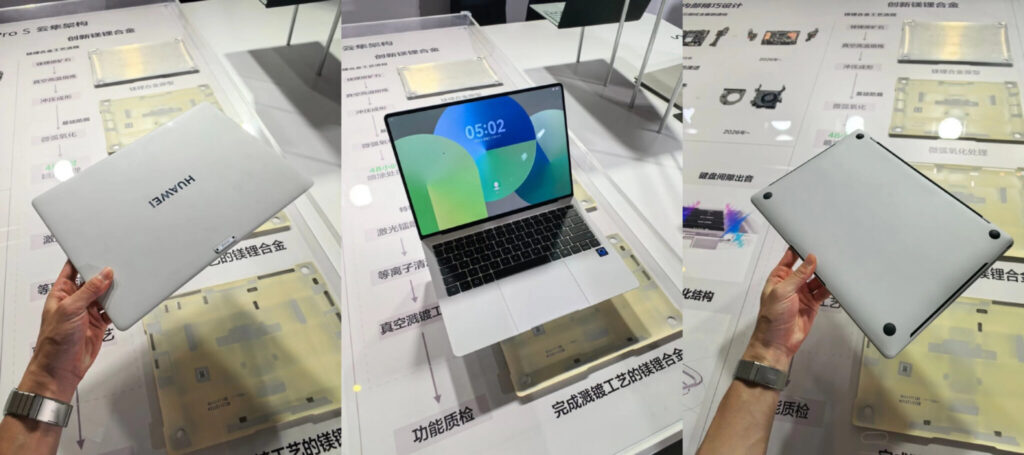
The MateBook Pro S has a design reminiscent of Apple’s MacBook line
The bottom line
On hardware, display quality, and weight, the MateBook Pro S surpasses the MacBook Air M5 in several measurable ways. It is nearly half a kilogram lighter, has a brighter and faster OLED screen, and includes a privacy display feature that Apple does not offer.
However, macOS remains far ahead in software maturity, app availability, and ecosystem integration. The source describes HarmonyOS as “still at the beginning of its journey” and notes that for users who rely on established professional software, the MacBook Air remains the safer choice.
The source frames the MateBook Pro S as a strong signal that Apple faces real competition in the ultralight laptop segment — and suggests it should push Apple to adopt OLED displays and higher refresh rates in future MacBook Air models.