Recently, Apple released the public beta of iOS 27 for everyone, not just developers. And immediately, comments were flooded with questions: how does the public beta differ from the build that developers have been testing for almost a month? In short, there is no difference in terms of features. However, there are differences in how and when these builds are released, and it’s worth understanding them.
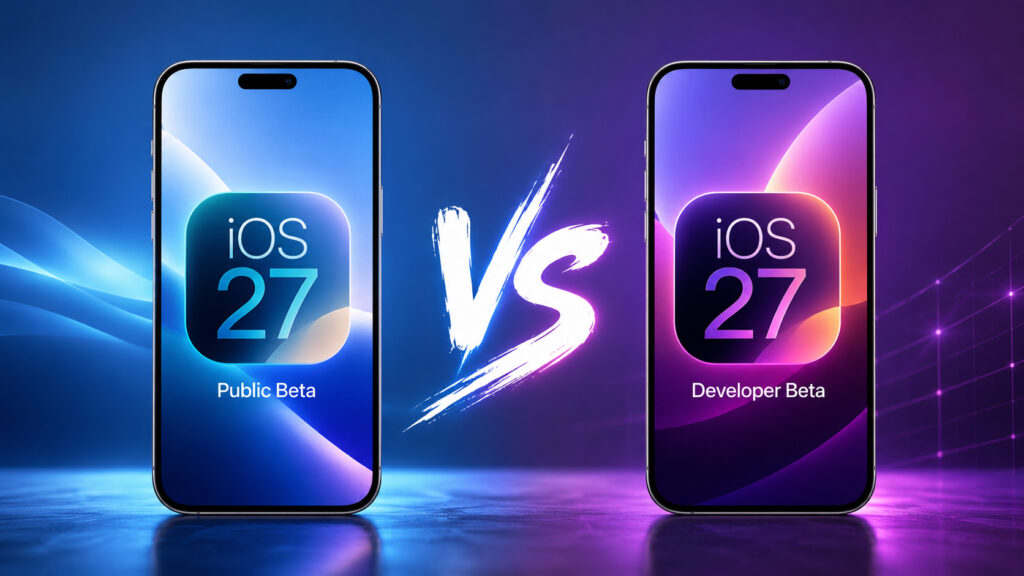
Choosing the best beta version for your iPhone
Differences Between iOS 27 Public Beta and Developer Beta
Let’s start with what concerns most people. If you put the iOS 27 public beta and the developer beta side by side, you won’t find a single feature that exists in one build but is missing from the other. It’s literally the same build. The new Siri, the Liquid Glass design, the updated camera in iOS 27, and the fresh CarPlay features work exactly the same in both versions.
Now there are two beta versions of iOS 27, and many are confused about which to choose
The word “public” itself misleads many people. It seems like it’s either a more raw or, conversely, a more polished version. In reality, they are identical in code. The only difference is who receives the build and on which day. Developers get it first, everyone else gets it a bit later. There are no cut-down or, conversely, exclusive features in the public beta.
iOS 27 Beta Release Schedule
And this is where things get interesting. Apple releases betas on a clear schedule, and the order is always the same. First, the developer beta comes out. And only about a week later, if no serious bugs have surfaced, the company releases the public beta based on the same build.
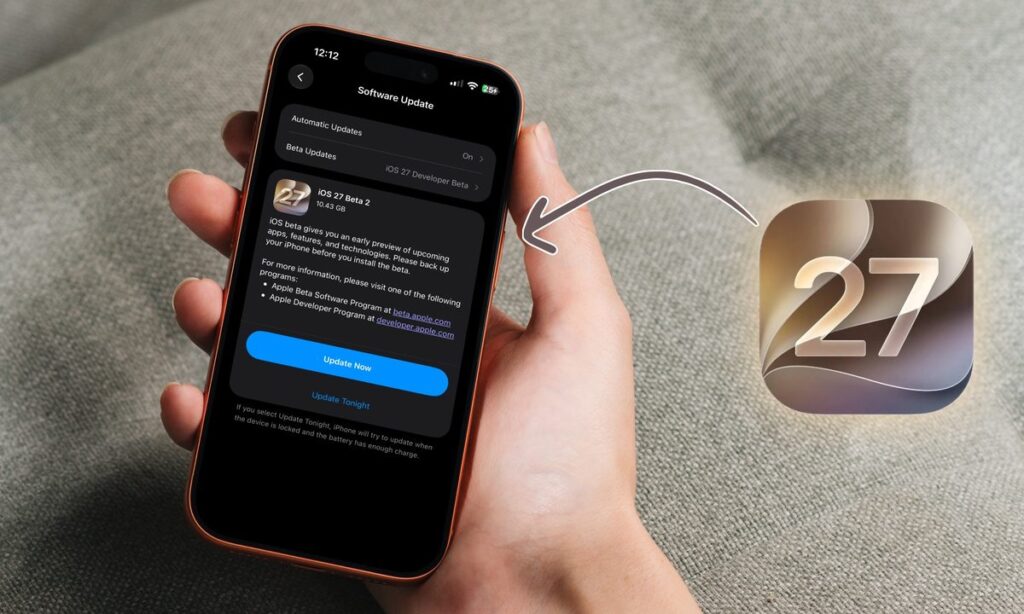
The beta comes out for developers first
A fresh example is right before our eyes. The third iOS 27 beta came out on July 6, and exactly one week later, Apple launched the first public beta. This pause exists for a reason. During those few days, developers have time to run the build on their devices, poke around every corner, and catch what might have slipped past internal testing.
By the way, developer betas come out with impressive regularity — roughly once every two weeks. The first iOS 27 build appeared on June 8, alongside the WWDC presentation, the second on June 22, and the third on July 6. They’re convenient for estimating when to expect the next public version.
So the public beta comes out later precisely because it’s given time to settle. Developers serve as a kind of first line of verification. If everything works stably for them, it means the build can be given to a wider audience. The logic is simple and clear: first, those who know how to fix problems do the testing, and then everyone else joins in. And the closer it gets to September, the more often the public beta comes out literally the next day after the developer build.
How Apple Fixes Bugs in iOS Beta Versions
Now let’s look at the scenario for which this entire week of waiting was designed. Let’s say a serious bug is found in the developer beta. Something breaks, apps crash, the battery drains rapidly. In such a situation, Apple won’t release the public beta with the same bug inside.
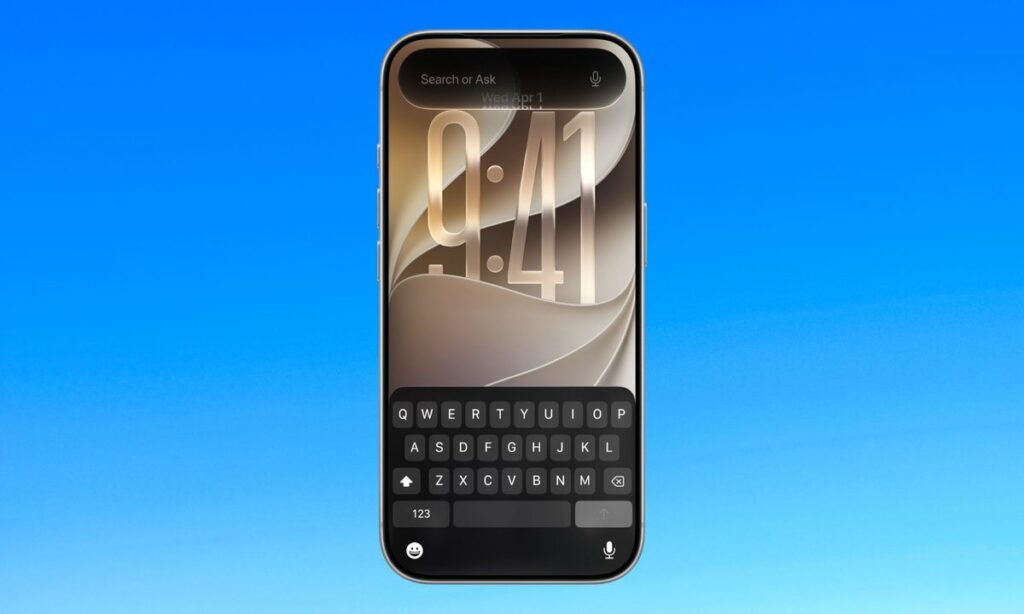
Found bugs, especially critical ones, get fixed
Instead, the company assembles a new build for developers, already with the fix. And it’s precisely this corrected build that goes out as the public beta. So regular users essentially get not the very first version, but the one that has undergone additional testing and shed some of its bugs. That’s the whole point of the delay: the public beta is almost always slightly more stable than the initial developer build.
That’s exactly why last year with iOS 26, the public beta had to wait longer than usual. The new Liquid Glass design added instability at the time, and Apple only released the public beta after the fourth developer build. This year, betas are rolling out smoothly and without major issues, so the public version arrived on time.
Which iOS 27 Beta to Install and Whether You Should at All
Since there’s no difference in features, a reasonable question arises: which one to choose? If you want to get everything right now, install the developer beta. It’s free and available to everyone — no paid accounts have been required for a long time. But it also carries more risk: this is the build where bugs are caught first.
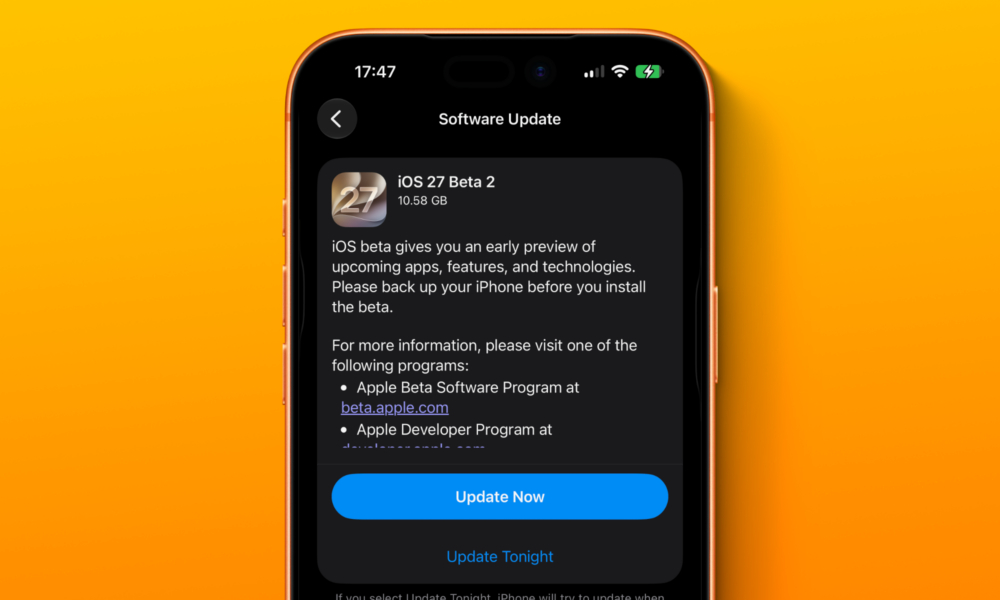
Installing iOS beta versions is always a gamble. For some, they work better than release versions, while for others, they lag terribly
If you’re not ready to deal with crashes and strange system behavior, it’s better to wait a couple of days and install the public beta. It’s built on the same foundation but already takes into account the first feedback from developers. For most users, this is the optimal choice: you’ll still get to try the new features, and you’ll spend fewer nerves.
Let me separately remind you of the main rule. Any beta, whether for developers or public, is still raw software. I don’t recommend installing it on your primary iPhone that you depend on for alarms, work email, and two-factor authentication. Ideally, you should have a second device for experiments. But if you’re tempted to try the new Siri in your language, the beta gives you that opportunity well before the September release.
The bottom line is short. In terms of features, the public and developer betas are identical — it’s the same system. The only difference is the release order: developers go first and take the hit, while the public beta follows and is a bit calmer. And the stable final release of iOS 27 awaits us all in September.