Leaks of iPhone and iPad specifications happen every year, but marketing images and packaging of new devices almost never appear online ahead of time. Apple has built a rigid system for protecting design materials — from physical security of workspaces to rules governing communication between employees.
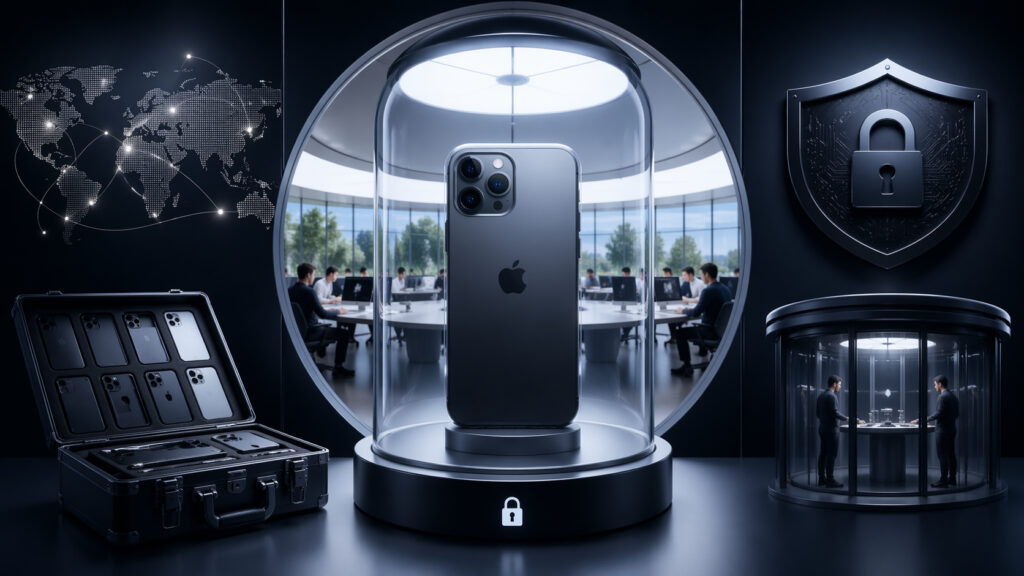
Apple protects iPhone design until the very presentation at the highest level
Security of Rooms with Secret Apple Projects
The premises where design and marketing materials are developed are locked down no less than secret laboratories. Access is controlled by codes, electronic cards, or combination locks, and the codes are regularly changed so that former employees cannot get inside.
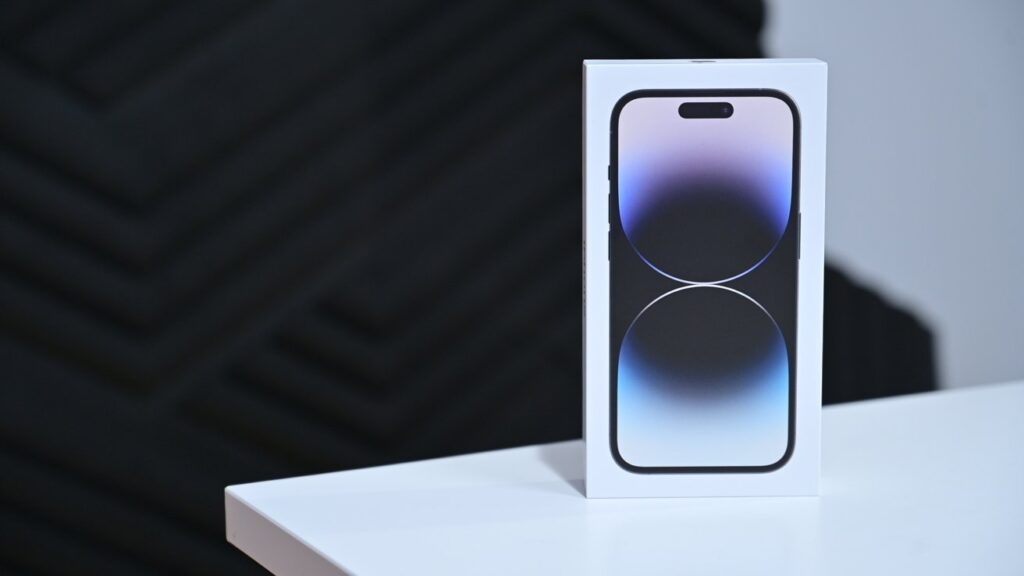
Even packaging leaks happen quite rarely
A receptionist is always on duty at the entrance, and delivery areas are also under surveillance. It is specifically stated that cleaning staff do not have access to confidential materials. Apparently, this rule didn’t come out of nowhere — sources hint that an attempted leak through cleaning personnel actually occurred at some point.
Inside the secured zones, employees are required to clear all materials from boards, desks, and meeting rooms. Project meetings are held only in locked conference rooms. Working from home is generally prohibited — exceptions are made only with special permission.
Where Apple Stores Files with Unannounced Products
Digital files containing yet-to-be-announced products cannot be left open on a computer. All work machines must be password-protected, and drives must be encrypted.

Learning anything specific before the event is virtually impossible. Specs — yes, but not the appearance
If files need to be transferred to another team or contractor, they are uploaded to a secure Apple server. The files themselves are encrypted with 128-bit encryption — a standard level of protection that makes intercepting and reading the contents virtually impossible.
Paper materials are stored in locked drawers and cabinets. Printing and color proofing areas are guarded, and all unnecessary printouts are destroyed in shredders. Even the shredded scraps are kept in special sealed containers.
Apple’s Rules for Employees Who See New Devices
Everyone who works with unannounced Apple designs undergoes qualification checks and signs a non-disclosure agreement. Apple maintains lists of everyone who has access to such projects.
Employees are advised not to even mention the fact that they work with Apple, to avoid attracting unnecessary attention. Project details can only be discussed with colleagues who have signed the agreement, and only in closed rooms without outsiders — no conversations on speakerphone.

Project discussion in a closed conference room
Instead of real product names, only code names approved by Apple are used in correspondence. Designs, renders, and any visual materials are prohibited from being attached to emails. If a password for a protected file needs to be shared, it is done by phone, not in writing. If a call cannot be made, the password is sent in a separate email — without the files themselves.
Files That Accessory Manufacturers Receive for iPhone
It was also interesting to learn in what formats Apple and its suppliers work on device prototypes. The following formats are used for design:
- .prt — three-dimensional models in Siemens NX software (works only on Windows)
- .x_t (Parasolid) — three-dimensional files for individual components and protective cases
- .dwg and .dxf — two-dimensional drawings
- PDF schematics with exact part dimensions and sometimes material specifications
- Gerber files — two-dimensional printed circuit board layouts
Every screw, bracket, and spacer of a future iPhone is modeled as a separate .prt file with precise dimensions. On the software side, animations are created in Mica — Apple’s proprietary tool available in internal macOS builds. A special Mica player is used to view animations on devices.
Why Official iPhone Images Don’t Appear Before the Presentation
Three-dimensional models of iPhone housings leak almost every year — usually through case manufacturers who receive blueprints in advance. But the situation with marketing materials and packaging is entirely different: they reach the public domain extremely rarely.
Even Apple cannot completely avoid leaks. In 2018, the company accidentally published images of the yet-to-be-announced iPhone XS. And quite recently, Apple unintentionally revealed the MacBook Neo name before its official launch.

Apple marketing materials rarely leak before the announcement
Sources also note that contractor employees sometimes violate Apple’s security rules, but serious leaks of design materials through third parties have not occurred so far. So if you see “official” images of a future iPhone online long before the presentation, it is almost certainly a fake or a fan render, not a real leak from Apple.