Google has begun notifying users that Google Assistant will be fully retired from phones, tablets, and other devices. The shutdown starts on September 4, 2026, and will roll out over several weeks until all users are affected. Google is pushing its AI-powered Gemini assistant as the replacement, calling it “more functional and useful” — but the transition raises questions about device compatibility and regional availability.
What you need to know
- Google Assistant shutdown begins September 4, 2026, and will roll out over several weeks.
- The shutdown affects phones, tablets, Wear OS watches, headphones, and Android Auto — but cars with built-in Google Assistant will retain it beyond September 2026.
- Google has not clarified what happens to Google TV, Google Home speakers, the Pixel Tablet, or smart displays.
- The shutdown was originally planned for March but was postponed.
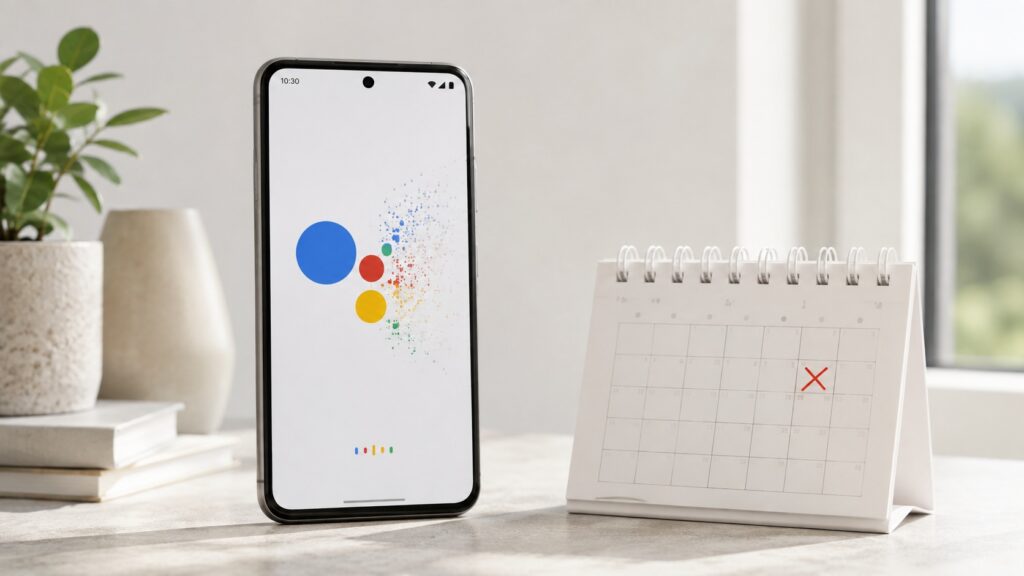
Google has urged users to say goodbye to its long-running Assistant
What exactly is being shut down
Google Assistant has been built into Android for nearly a decade, handling voice commands like setting alarms, playing music, making calls, and checking the weather — all triggered by the “OK, Google” wake phrase without needing to open apps manually.
After September 4, 2026, users will no longer be able to launch Google Assistant or switch to it on their phone, tablet, or paired devices. The shutdown also extends to Wear OS watches, headphones, and Android Auto.
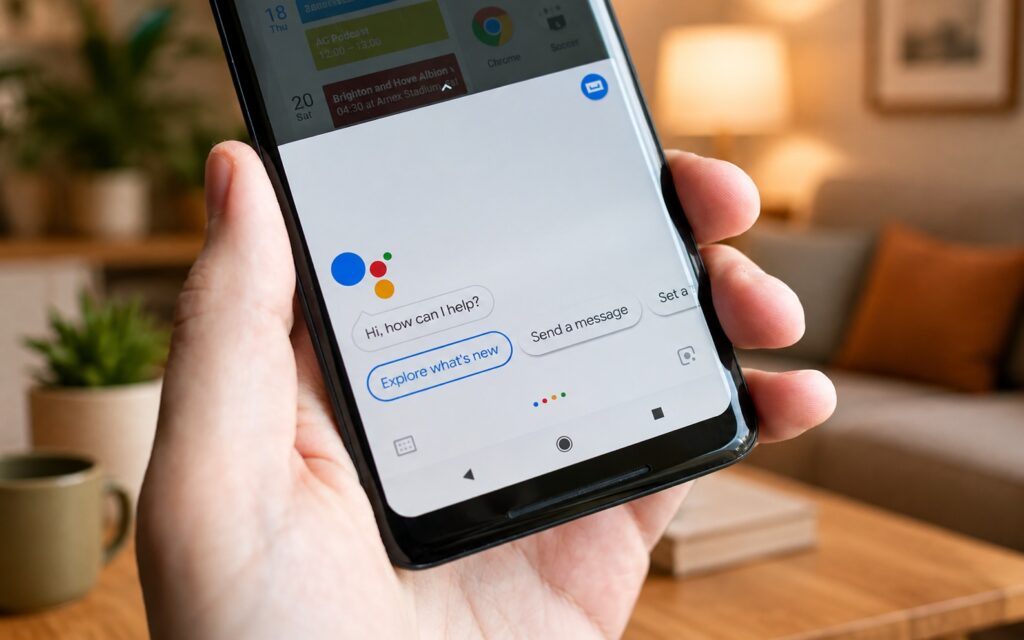
The familiar Assistant interface will disappear starting in September

There is one notable exception: vehicles with built-in Google Assistant (as opposed to those using Android Auto from a phone) are expected to retain Assistant functionality beyond September 2026.
Several device categories remain in limbo
Google has not provided specifics about what will happen to Assistant on Google TV, Google Home speakers, the Pixel Tablet, or smart displays. The company has previously indicated plans to bring Gemini to these devices, but no concrete timeline or confirmation has been given. Owners of these products will need to wait for official clarification.
It is also worth noting that the shutdown was originally scheduled for March but was delayed, suggesting the timeline could potentially shift again.
Why Google is replacing Assistant with Gemini
Google’s rationale centers on its broader push toward AI. Gemini is described as a next-generation AI assistant capable of not just executing simple commands but also conducting conversations, handling complex queries, and working with context. Google characterizes it as “more functional and useful” and says the transition will be smooth.

Gemini is significantly more capable than Google Assistant. Image: Google
In practice, this means the predictable, command-based assistant is being replaced by a neural network that operates differently. For some users, this will unlock greater capabilities. For others, it may require adjusting how they phrase requests and understanding what the new assistant can and cannot do.
Regional availability remains a concern
Gemini is not available in all regions. The source specifically notes that it does not work from Russian IP addresses, but this highlights a broader issue: users in regions where Gemini is not yet available may find themselves without a default Google voice assistant after the shutdown. It is worth checking Gemini’s availability in your country before September 2026.
What users should consider now
The shutdown is still weeks away, but users who rely heavily on Google Assistant may want to prepare:
- Phone, watch, and car users: Expect the interface and interaction logic to change when Gemini takes over. Familiarizing yourself with Gemini ahead of time could ease the transition.
- Smart home device owners: If you use Google Home speakers, Google TV, smart displays, or the Pixel Tablet, there is no official word yet on how or when these devices will transition. Hold off on making hardware changes until Google provides clarity.
- Regional availability: Check whether Gemini is fully functional in your region. If it is not, you may need to explore alternative voice assistants available on Android.
This is not a reason to rush out and replace devices, but users who depend on Google Assistant for daily routines should take the time to understand how Gemini differs and whether it will work as expected in their specific setup and location.