Wireless earbuds have become such a simple and familiar device that you can find great models even under a thousand rubles. But only now has Yandex decided to enter this niche. The company has started selling Yandex Drops earbuds — its first wearable device with built-in Alice AI. You can talk to the assistant on the go without pulling out your phone, and listen to music just like with regular wireless earbuds. The main question is whether this “neural network in your ear” is actually useful in real life and whether it’s worth the money.
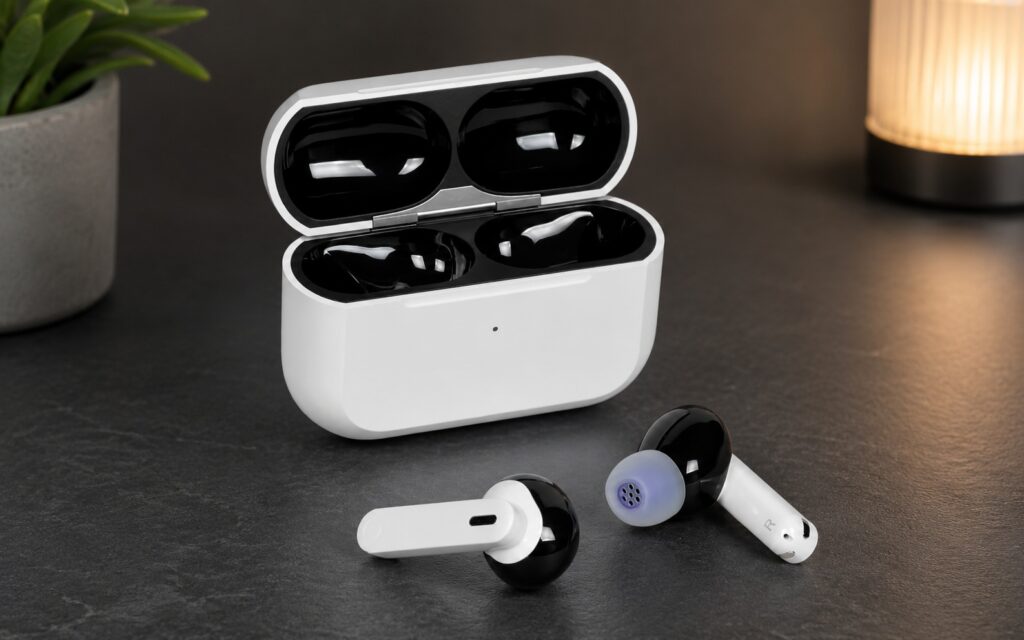
Yandex released wireless earbuds with Alice
What Are Yandex Drops
Drops are wireless TWS earbuds (two separate earpieces with no wires between them) with built-in access to Alice AI. A year ago Yandex released a wireless speaker with Alice, and Drops continue the same line, but now the assistant moves right into your ears.
In terms of hardware, these are fairly standard modern earbuds: an 11mm driver, an equalizer for sound tuning, active noise cancellation, transparency mode (when external sounds are intentionally let through), and touch controls. IP54 protection means they can handle dust and splashes: enough for jogging and rain, but you shouldn’t swim in them.
How Alice Works in Yandex Drops Earbuds
The main idea behind Drops is that you can talk to Alice without holding your phone: ask questions, control music, calls, and smart home devices by voice. The earbuds run the same language model as the Alice AI chat, but responses are made shorter so they’re easier to absorb by ear.

Alice responds right in your ear
A useful detail for those concerned about privacy and internet: quick commands like “Quieter,” “Stop,” and “Decline” are processed directly on the device and work even without a network connection. Everything else that requires the neural network’s “intelligence” still goes to the servers — there won’t be any detailed conversations without internet.
Another feature is early access to the “My Memory” function. You can dictate a thought, task, or idea, and Alice will turn it into a note, list, or reminder and then find the right entry on request. Essentially, it’s a voice notebook that’s convenient to use when your hands are busy.
How Long Do Yandex Drops Last on a Single Charge
Battery life is what you’d expect for earbuds of this format. Up to 5 hours with noise cancellation enabled and active voice commands, or up to 8 hours if you turn off these features. This is without recharging from the case, so for a full day of moderate use, there should be enough battery to get through.
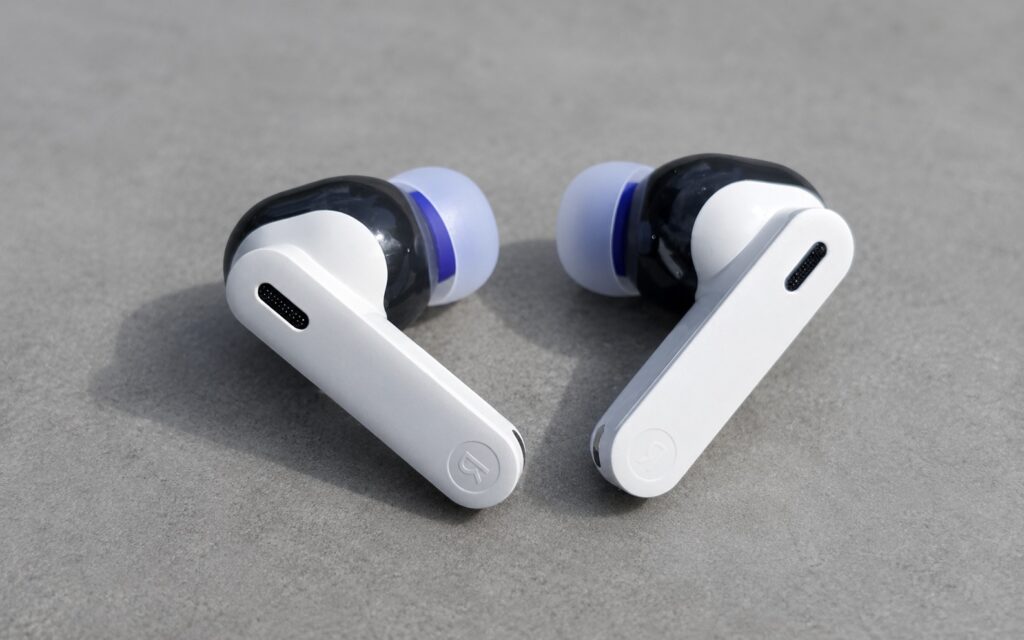
Their charge will be quite sufficient for a full day of use
If sound quality matters to you and not just conversations with the assistant, it’s worth understanding in advance what Lossless offers and which earbuds truly reveal high-quality music — Drops are positioned primarily as smart earbuds, not audiophile ones.
Yandex Drops Price in Russia
The earbuds cost 8,990 rubles and are available in three colors: white, black, and purple. This is a mid-range price segment — for this money, there are plenty of regular TWS earbuds with noise cancellation on the market, so the premium is specifically for the built-in Alice.
There’s a catch with the sales launch: from June 9 to 15, Drops can only be purchased through the Alice AI chat. Starting June 16, they’ll be available at retailers in Russia, Kazakhstan, Belarus, and Uzbekistan. If you don’t want to bother with buying through the chat, it’s easier to wait for regular retail.
Should You Buy Yandex Drops in 2026
Drops make sense if you already live deeply within the Yandex ecosystem: you use Alice, a smart home, and Yandex Music. In that case, a voice assistant in your ears adds convenience — especially while driving, jogging, or when your hands are busy.
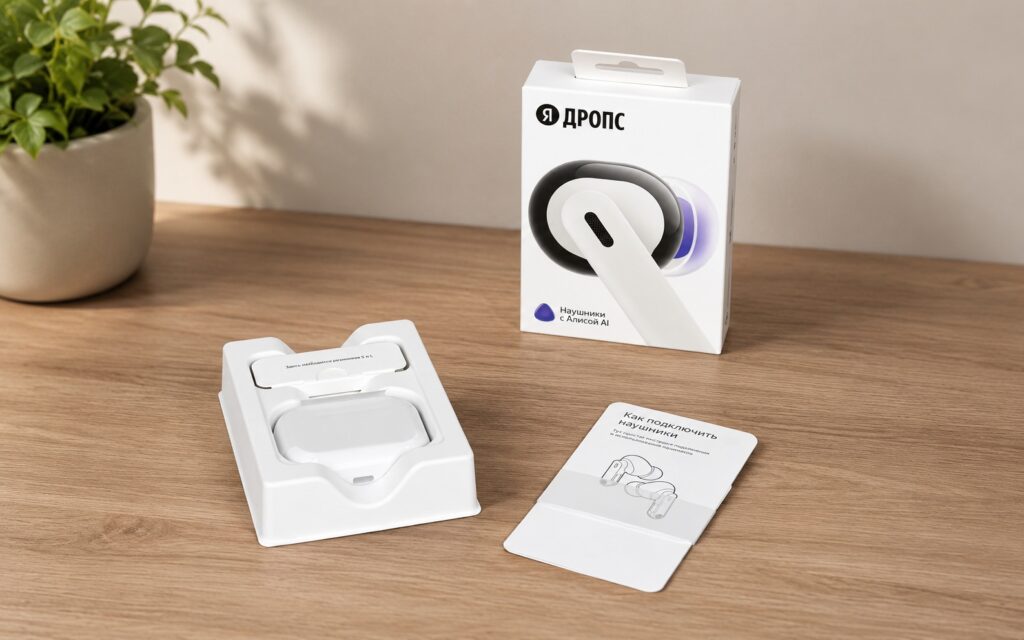
In terms of sound, the earbuds don’t stand out
However, if you don’t need the assistant and sound quality is your priority, you can find earbuds with a focus on audio for the same 8,990 rubles. The main value of Drops (Alice AI) is just a convenient add-on. Before buying, honestly ask yourself how often you actually talk to a voice assistant, and the decision will come naturally.