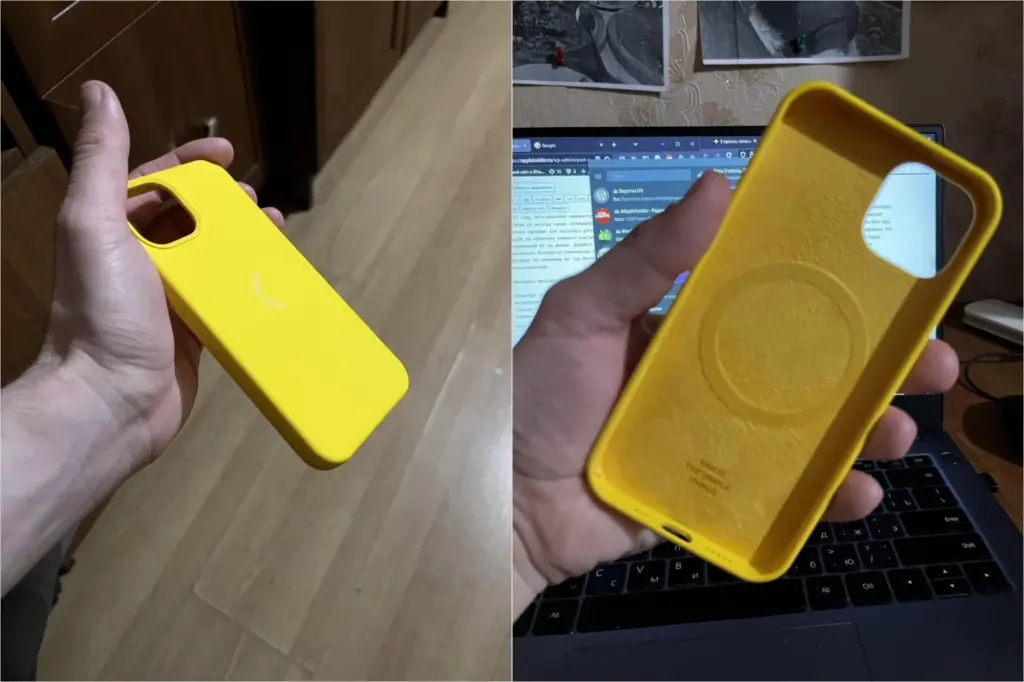
You’ve probably experienced this: you pull your iPhone out of your pocket in summer, and it’s hot, the screen has dimmed, and charging has stopped. The first suspect is usually the case — supposedly it’s what’s heating up the smartphone. Let’s honestly figure out whether the accessory is harmful and whether the case is to blame for iPhone overheating, or if the issue lies elsewhere. I’ll say right away: it’s not as obvious as it seems, and the case isn’t always to blame.
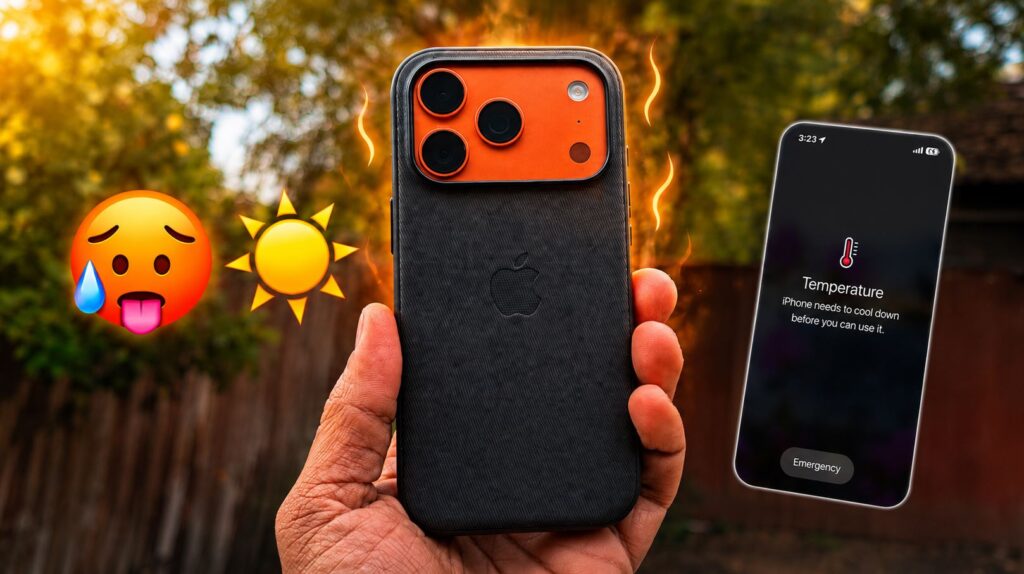
Figuring out whether the case is to blame for iPhone overheating
Is the Case to Blame for iPhone Overheating?
It’s important to understand the mechanics here rather than guess. The iPhone has an operating temperature range — from 0 to 35 degrees Celsius, as officially stated by Apple. As long as you stay within these limits, the smartphone is fine. Problems begin when outdoor heat combines with internal load: games, 4K video recording, navigation in the sun, wireless charging.
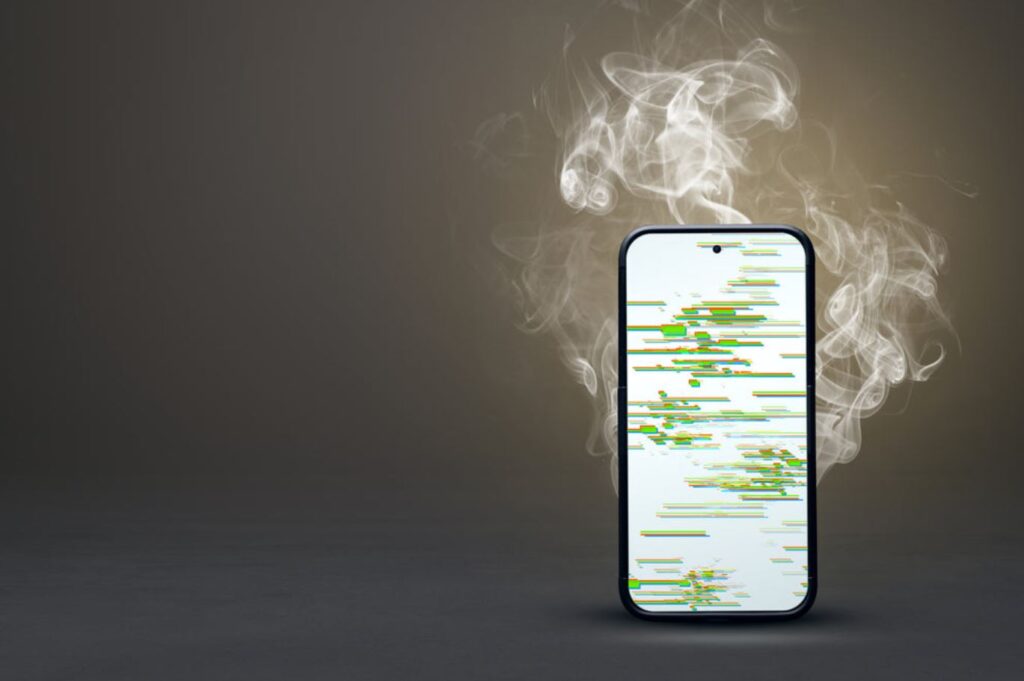
iPhone overheating is actually quite a common occurrence
The case itself is not a “heater” — it doesn’t generate heat. But it impairs air circulation: the iPhone cools passively through its body, and if that body is covered by a thick “coat,” excess heat has nowhere to go. So the question iPhone is getting hot, what to do — is almost never about the case alone, but about the combination of “heat plus load plus poor heat dissipation.”
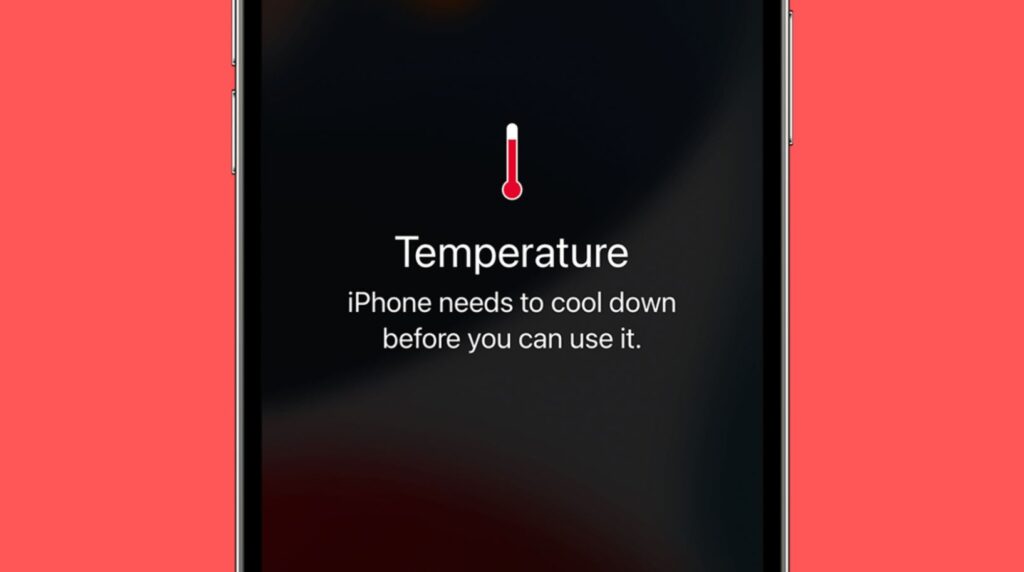
We think everyone has seen this notification at least once
When the temperature exceeds the limit, iOS activates protection: an overheating warning appears, the processor throttles, the screen goes dark, and charging may stop until the device cools down. This isn’t a malfunction — it’s normal behavior.
Pros of Using an iPhone Case in Summer
Before you take the case off your iPhone to cool it down, remember why you need it in the first place — and in summer, it’s needed more than in winter. iPhones are dropped most often in summer: wet hands by the pool, sand on the beach, rushing around, sweaty palms. One good case is cheaper than replacing the glass or the body, so protecting your iPhone from drops isn’t paranoia — it’s saving money.
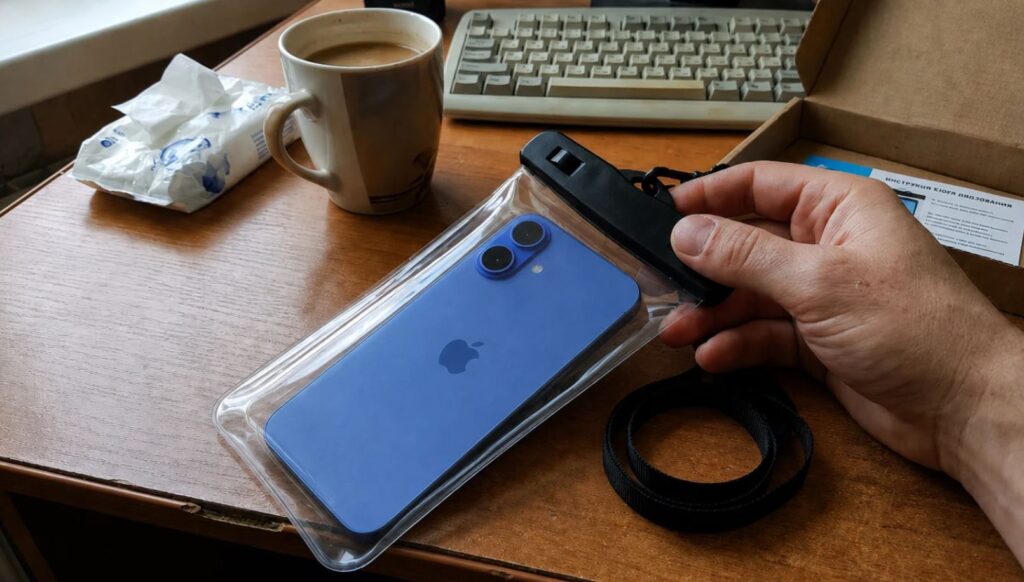
An iPhone case in summer isn’t as bad as it seems
Plus, the case supports the entire MagSafe ecosystem: magnetic car mounts, pop-overs, wallets, stands. In summer this is convenient — car navigation, tripod shooting, bedside charging on vacation. A thin MagSafe case in this sense doesn’t hinder but helps.
And another point: in summer we move around more. If you take your iPhone on a run or to the gym, protection from sweat and drops is far from unnecessary.
Cons of Using an iPhone Case in Summer
Now let’s be honest about the downsides. The main one is heat dissipation. In a thick case in the heat, the iPhone heats up faster and cools down slower. If at that moment you launch a game or put the phone on charge, you can easily end up in a situation where the iPhone has overheated and becomes uncomfortably hot in your hand.
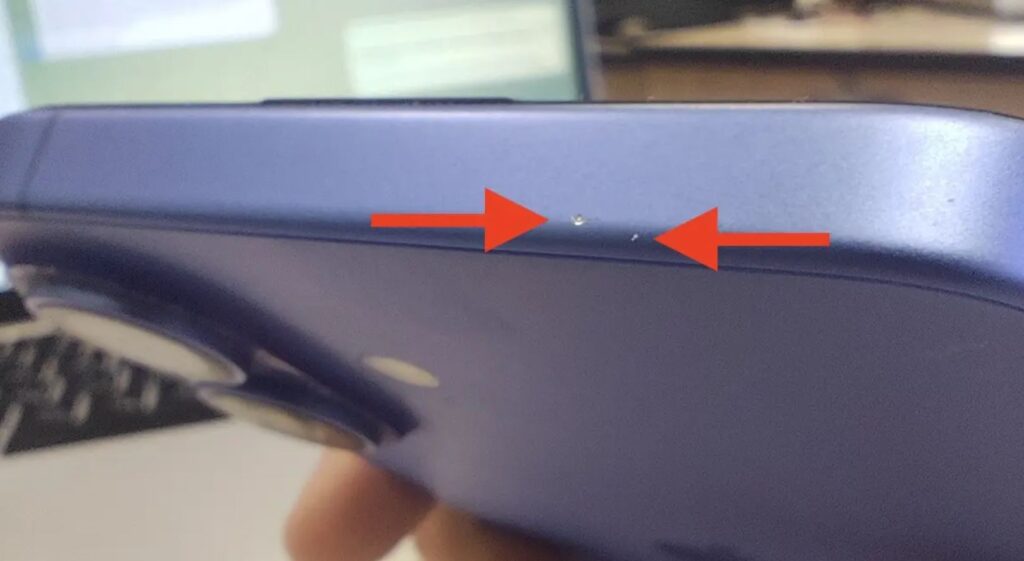
The case should protect the phone, but it can often make things worse
The second downside is performance. When overheating, the system throttles the processor, and you get the very thing people search for with the query iPhone lagging due to overheating: the interface stutters, the camera acts up, and apps crash. The case doesn’t cause this on its own, but it helps push the system to its limit faster.
The third is heat being the enemy of the battery. In hot weather inside a closed case, it’s common for the iPhone to overheat significantly and drain quickly, especially during charging. And systematic overheating accelerates battery degradation — this is one of the most important reasons for capacity percentage drops.
Which Cases You Shouldn’t Use in Summer
Not all cases are equally harmful in the heat. The worst for heat dissipation are bulky rugged cases — those double-layered shockproof ones with air pockets. The protection is top-notch, but in summer they turn your iPhone into a thermos.
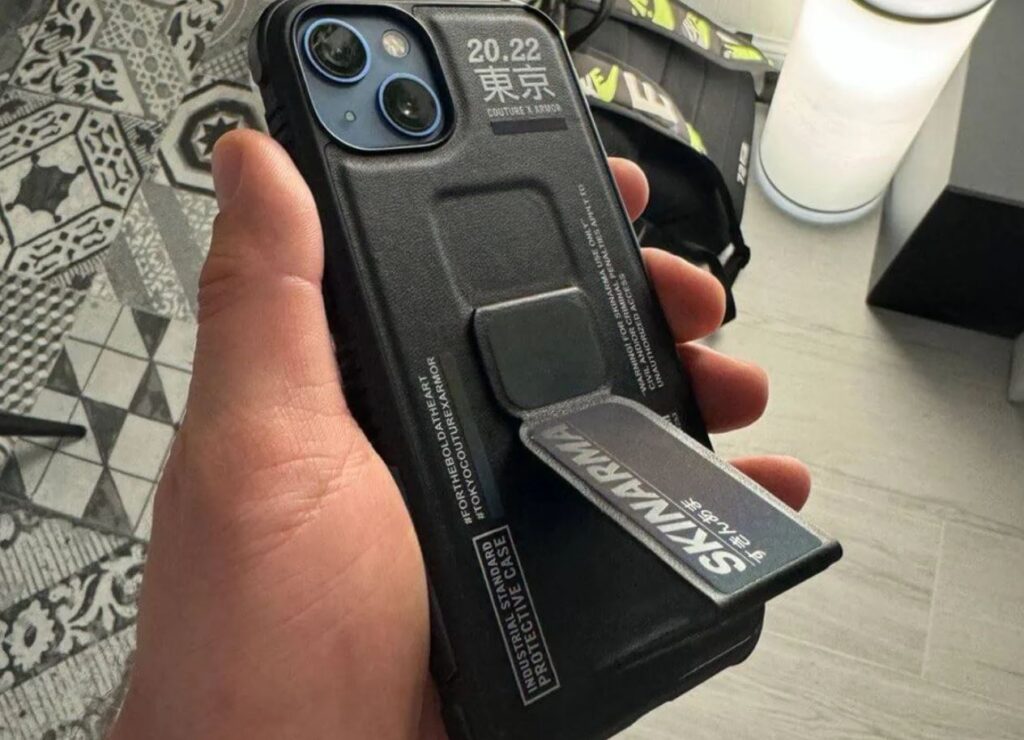
Cases like this one from Skinarma are better taken off in summer
Next — thick silicone and cheap TPU. The material clings to the body across its entire surface and barely allows heat to escape, and budget TPU also yellows over time and creates a “greenhouse” effect. These are the ones people most often write about, saying the iPhone gets hotter in a case than without one.