Apple long resisted price increases due to the AI-driven memory cost surge. The company was practically the only manufacturer that held prices at the same level for as long as it could. Now Tim Cook has said out loud what buyers have long feared: devices will get more expensive, and it’s no longer a question of “if” but “when.”
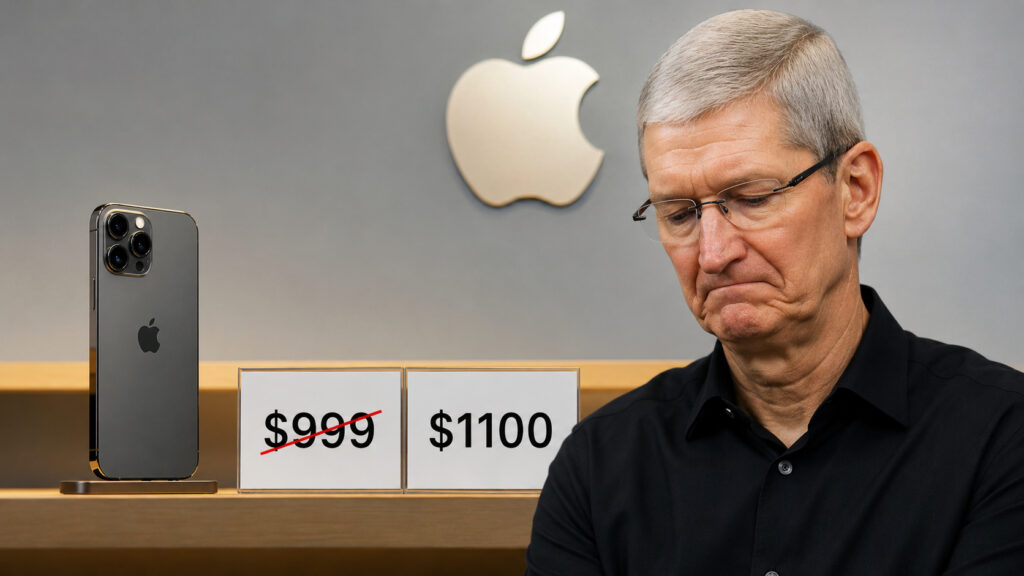
Even Apple couldn’t overcome rising component prices
How Apple Explained the Upcoming Price Increases for iPhone, iPad, and Mac
Cook gave an interview to the Wall Street Journal on Wednesday and didn’t mince words. “Price increases are inevitable,” he stated. According to the Apple CEO, the company is doing everything possible to smooth out the massive cost increases weighing on its shoulders. And it tried until the very end to shield buyers. But the situation, as he put it, has become unsustainable.
This is a rare case of candor. Usually, we learn about new pricing right at the presentation, without any warnings. But here, the company’s leader is essentially preparing the public for bad news several months in advance. Apple itself, by the way, is already paying twice as much for memory as before, and Cook’s tone is far from upbeat.
Cook didn’t specify exactly when or by how much devices would get more expensive. He didn’t name specific models either. So for now, we can only guess. However, he clearly identified the reason for the price increase, and it explains a lot.
Why Memory for iPhone and Mac Is Getting More Expensive
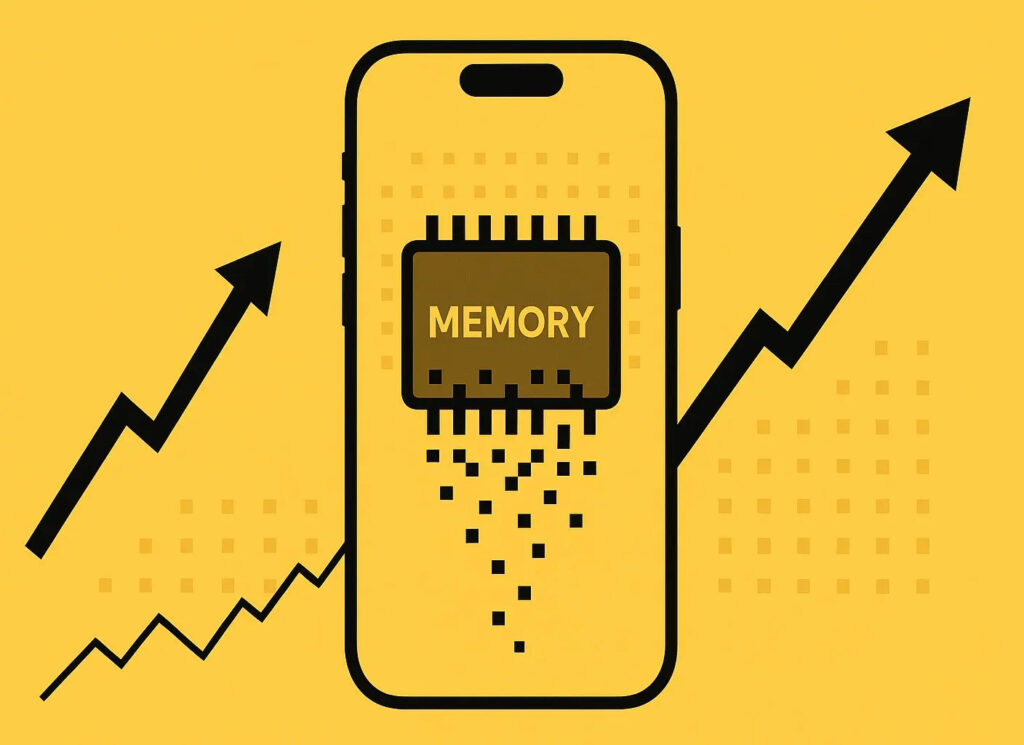
All memory has gone up in price. Both RAM and storage
The root of the problem is a DRAM shortage. Cook specifically highlighted the DRAM market — the very memory found in every iPhone, iPad, and Mac. Prices for it have skyrocketed, and the AI boom is to blame.
The logic is simple. Data centers around the world are building servers for neural networks in droves. These servers need high-bandwidth HBM memory, and it’s made by the same factories that produce regular DRAM. Memory manufacturers see who’s willing to pay more and shift capacity toward the AI segment. As a result, consumer devices get less, and prices for what remains go up.
“Supply has decreased at exactly the time when people need devices, and memory manufacturers are passing enormous price increases on to us,” Cook explained. He added that the company needs reasonable memory prices and normal supplies for consumer products. According to him, that’s the crux of the problem. The issue isn’t limited to DRAM. Cook noted that prices for storage memory have also risen. In other words, literally all the internals of devices — the very components Apple used to profit from most eagerly — are getting more expensive.
Which Apple Devices Could Get More Expensive as Early as 2026
This is where it gets most interesting. There’s no direct answer in the interview, but you can read between the lines.
Apple’s next major announcement is in September. We’re expecting the iPhone 18 lineup, which, according to rumors, should debut the first foldable iPhone. It’s logical to assume the new products will arrive with updated price tags.

Apparently iPhone 18 Pro will be the first iPhone with a new price
But Mac and iPad could get more expensive sooner. And here’s a telling recent example. Last month, Apple already raised the starting price of the Mac mini, and did it cleverly: it removed the base 16/256 GB version from the lineup. Now the entry-level model comes with 512 GB of storage and starts at $799. Technically, the price of the higher-storage option didn’t change. But in reality, the cheap option disappeared, and you have to pay more.
That’s the subtle point. A price increase can be done head-on by raising the sticker price. Or it can be done quietly by cutting the affordable configuration. Apple has already shown it knows how to use the second approach. And judging by Cook’s wording, this time the company is planning more noticeable changes across the entire product lineup. There’s also another option that few people remember. The company could very well keep the price of the base configuration of iPhones the same while raising prices on versions with larger memory capacities. How exactly Apple will pull this off remains unclear, but I think leaks will appear in the very near future.
For Russian buyers, all of this is even more unpleasant. Devices reach the country not directly but through intermediaries, with logistics costs and seller margins stacked on top of the American price. So any increase in the dollar price will result in a noticeable markup in rubles. If a device goes up by, say, fifty dollars in the US, on the shelf of a Russian store it will turn into a much larger sum.
What’s Better: Buy a Mac Today or Wait for New Models
Common sense suggests: if you’ve been eyeing Apple products for a while, it may not be worth waiting. This is especially true for expensive configurations.
Here’s a curious detail. Just recently, Apple released the most affordable laptop in its history, the MacBook Neo. And it has only 8 GB of RAM. Against the backdrop of the DRAM shortage news, this makes sense: the company is saving on memory where it can. So if you’re choosing between the base version and a beefier model, it makes sense to lock in the current price on the higher-end MacBook Pro before it gets revised.
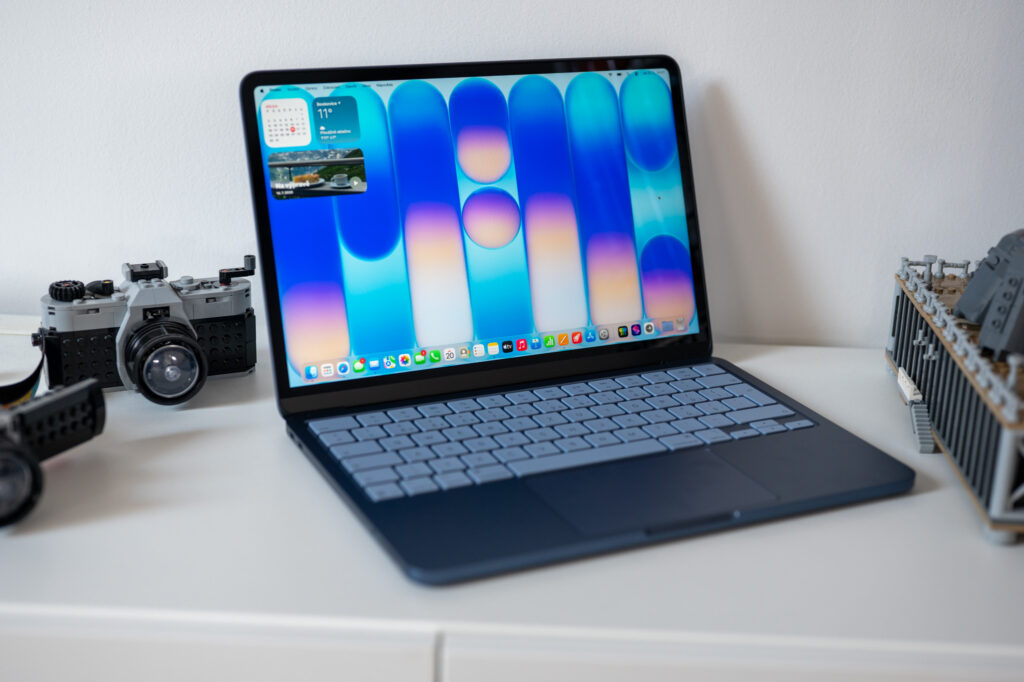
The MacBook Neo will most likely lose its minimum configuration
There’s also a personnel angle. Cook is making this statement just months before stepping down. On September 1st, the CEO chair will be taken by John Ternus, while Cook himself will become executive chairman of the board. So it turns out the outgoing leader is delivering the unpleasant news about price increases, while his successor will have to deal with the customer backlash.
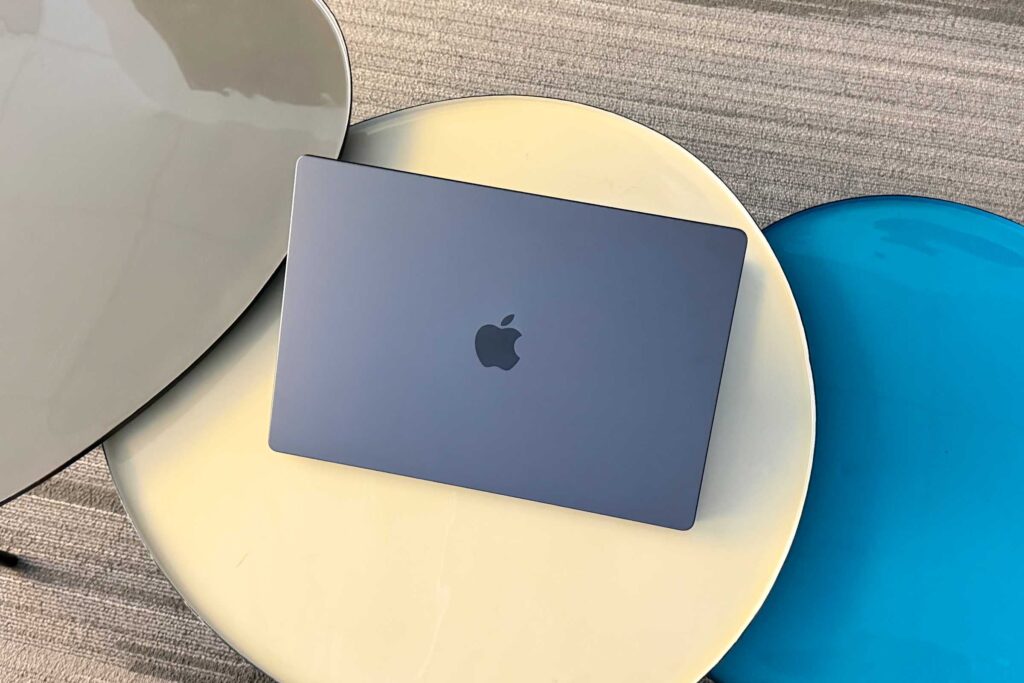
If you’re planning to buy a device with a large amount of memory, it’s better not to delay
The interview didn’t say whether new prices would affect devices already on sale. That’s a separate intrigue. It’s one thing to raise prices on September’s new products, and quite another to rewrite price tags on what’s sitting in warehouses right now.
The bottom line: Apple has officially warned about price increases, named the reason, and essentially made it clear that it’s not going to get cheaper. There are no specifics on timing or models, but the direction is clear.