We often discuss reasons why you shouldn’t update Android on your phone, and they sound quite convincing. But my old Pixel 6 has made it to Android 17 and receives this version alongside the newest models, even though Google originally promised only three years of major updates. For owners of older Pixels, this is an important signal: a five-year-old phone still remains modern and functional. And for owners of other smartphones — it’s another reason to consider whether it’s worth updating Android.
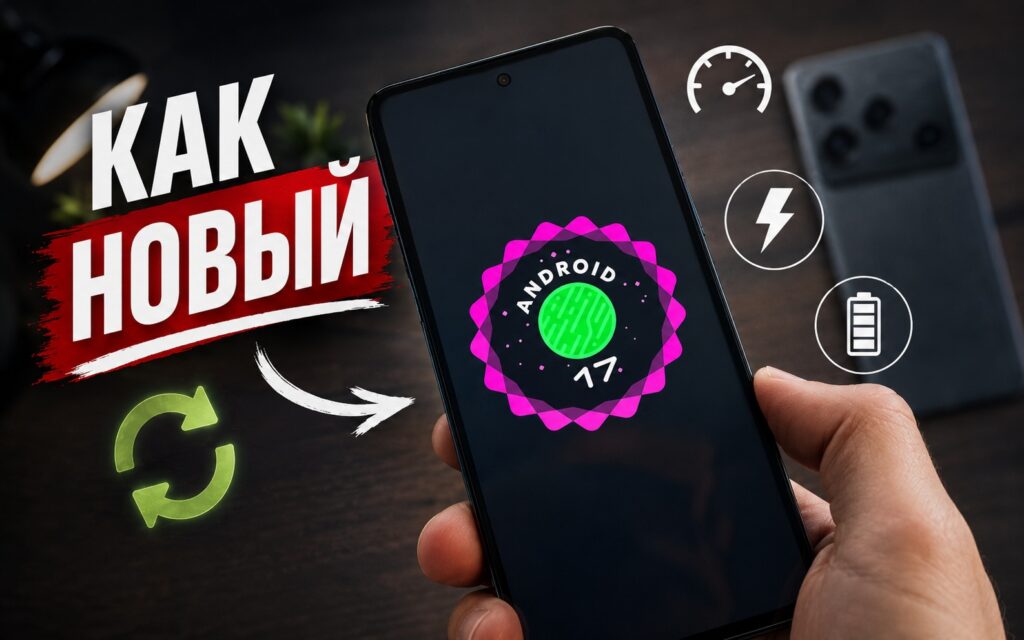
Is it true that it works like new?
How Many Years Do Android Smartphones Get Updates
Before the Pixel 6, three years of major Android updates was considered the standard. That’s how it was with the Pixel 5, which was forever stuck on Android 14. In 2021, Google announced five-year support, but with a caveat: five years only applied to security patches, while major Android versions were supposed to end after three years, roughly around Android 15.
In reality, things turned out differently. Google didn’t just meet the minimum — it extended major updates to five years and ensured that new Android versions ran stably on older hardware.
Powerful Processor in a Phone — Why You Need One
The main secret here is the Tensor chip from Google itself. Since the company owns both the hardware and the system, Pixels always receive major updates first. It would be logical to expect that only new models would be in the first wave, but Pixel 6 received the Android 17 beta simultaneously with the rest.
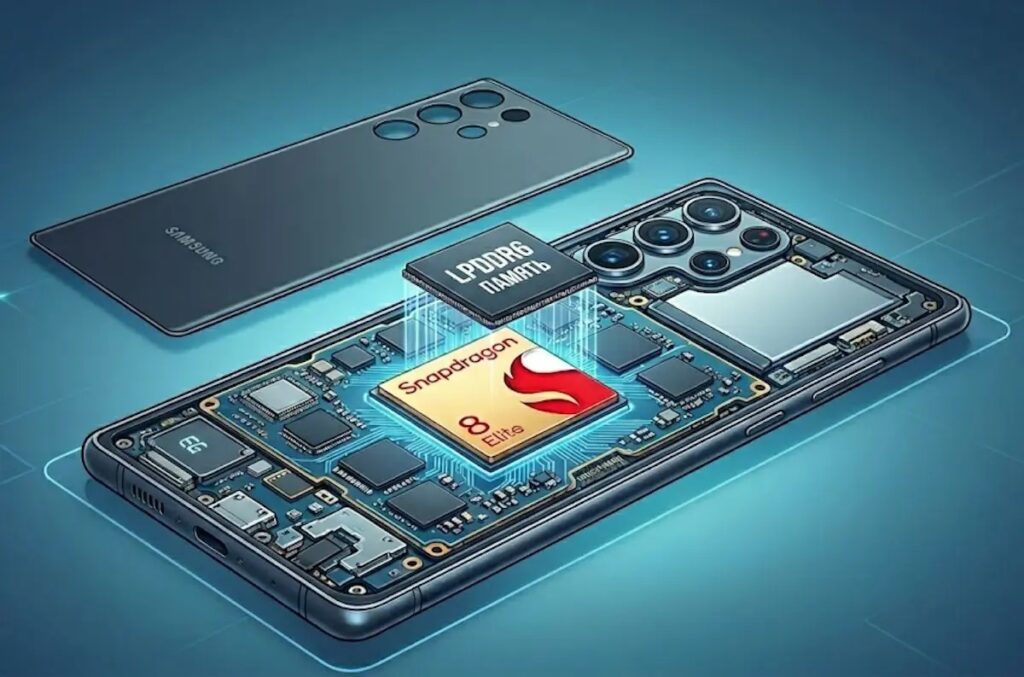
A powerful processor is the key to long-term support
Admittedly, along the way Pixel 6 missed a couple of minor intermediate builds due to Tensor G1 specifics, but overall the testing cycle ran synchronously across the entire lineup. As a result, Pixel 6 reached the stable version alongside the Pixel 10. Keeping a five-year-old smartphone in the main Android development cycle is a rare move that shows Google’s serious commitment. But this doesn’t mean that brands using MediaTek and Snapdragon chips are at a disadvantage — no, the situation is similar there.
What Features Does the New Android Bring
Android 17 brings everything important to the Pixel 6: floating app windows for multitasking, secure cross-platform RCS messaging, and a cleaner interface. The only notable absence is the Gemini AI assistant, but many older Pixel owners don’t need it anyway.
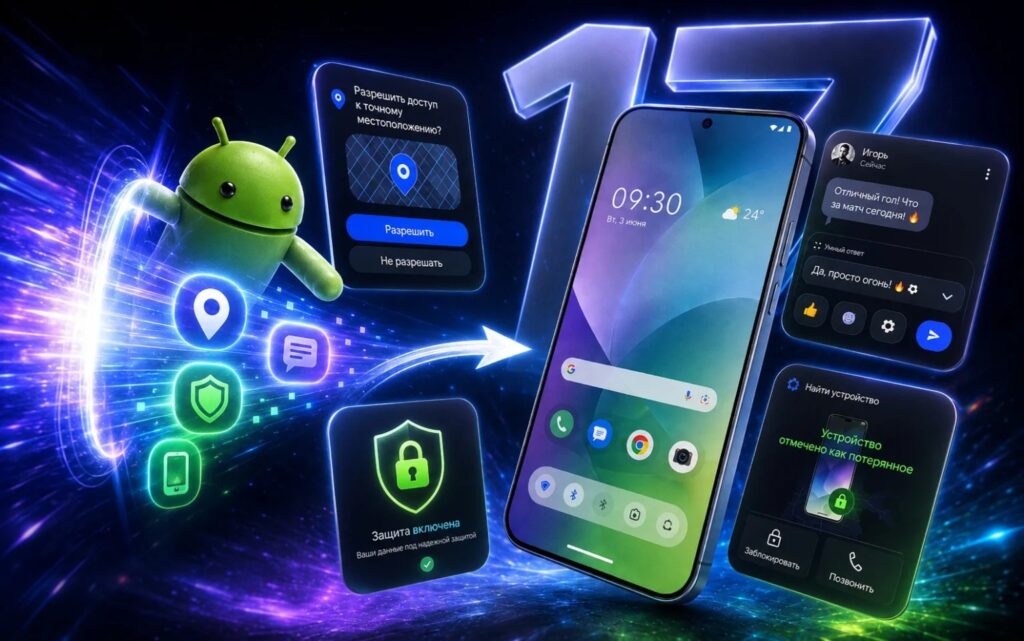
All the essential features are here!
The Tensor G1 can’t handle AI models directly on the device, and that’s actually a plus. For those who need a fast and predictable phone without intrusive artificial intelligence, Pixel 6 feels like a breath of fresh air. Essentially, it’s that pure Android without unnecessary bells and whistles that many people loved about Pixel in the first place.
What to Do When Android Support Ends
Everything has its limits. Although Google exceeded its three-year promise and brought Pixel 6 all the way to Android 17, October 2026 will be the official end of support. The phone won’t turn into a brick: it will continue to work on the latest Android 17 build, but it won’t receive any more updates.
The problem is that security updates will also stop. Over time, new vulnerabilities will make constant internet connectivity too risky. Simply put, after October 2026, you should start looking for a replacement, especially if you store important data on your phone.