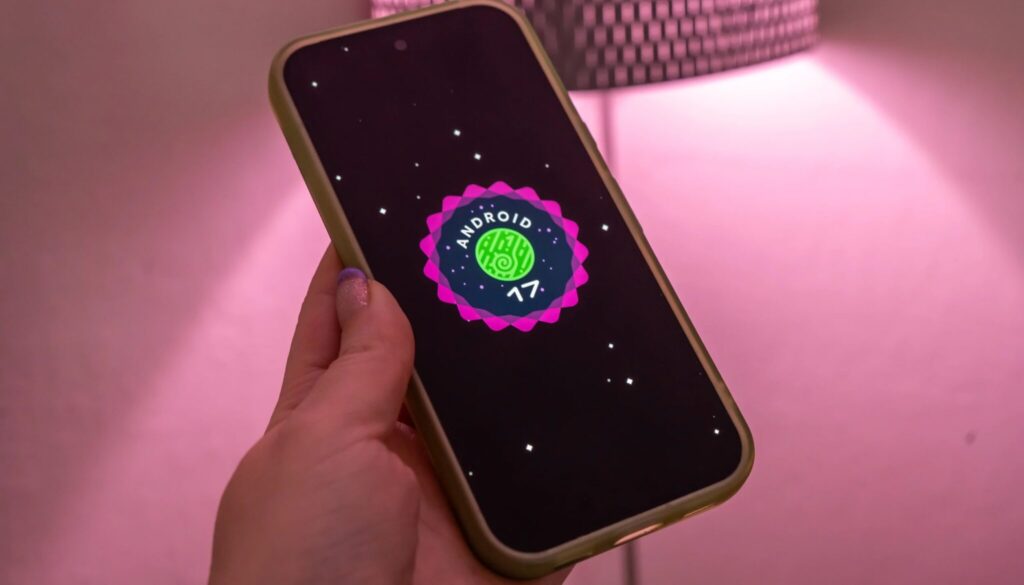
Google has released the stable version of Android 17 and has begun rolling it out to the first wave of smartphones. Following a long-standing tradition, these are devices from the flagship Pixel lineup. Although this isn’t a major system redesign but rather a set of improvements centered around multitasking, security, and entertainment, there are still some interesting things in the updated system. Let’s break down what Android 17 actually changes, which devices will get the update, and when everyone else can expect it.
Android 17 is here — everything about the new features and who gets them first
Which Pixels Will Get Android 17 First
The rollout of the stable version started today and will continue on supported devices throughout 2026. Android 17 is available for all Pixels starting from the Pixel 6 series and newer. If your smartphone is on this list, the update will arrive automatically. The newest devices will simply be updated first, in descending order.
Google rolls out the update in waves, so the notification may not appear right away. You can manually check if Android 17 is available for you like this:
- Open “Settings”
- Go to the “System” section
- Select “System update” and tap check
If the update isn’t there yet — that’s normal, it will show up in the coming days. You can’t forcefully speed up the process: the phone will offer the installation when your turn comes.
App Bubbles — Apps in Floating Windows
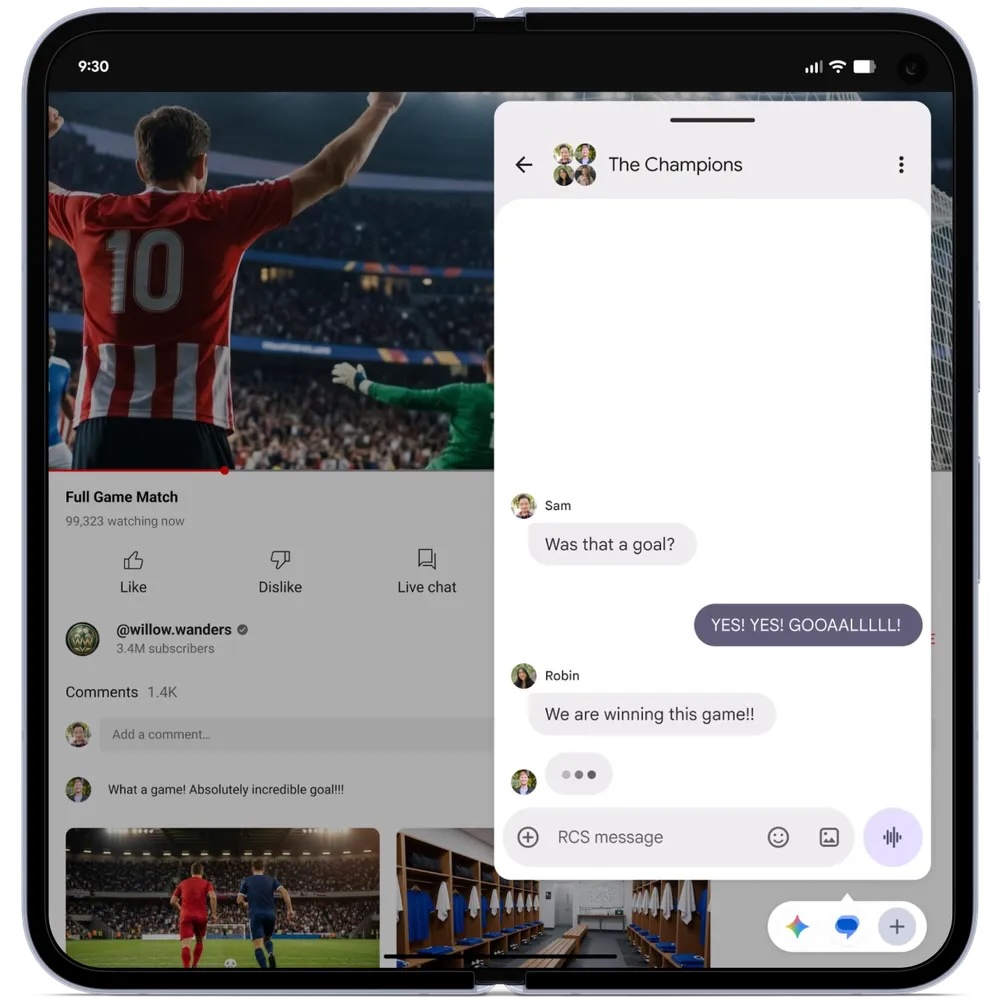
Essentially, Bubbles are innovations for foldable smartphones with large screens
The main innovation in Android 17 is the App Bubbles feature, aimed at improving the multitasking system. It works on the principle of “floating windows”: an entire app can be kept in a small window on top of others. Yes, many people are probably already familiar with this feature from third-party manufacturer skins, but in this case we’re talking about stock Android, and this capability wasn’t available here before.
In practice, this is convenient when you need to monitor something while staying focused on your current app — for example, keeping a note, chat, or timer in front of you. How widely third-party apps will support this remains to be seen: for now, it’s about the capability at the system level.
What Changes in Android 17 Security and Privacy
A significant part of the update concerns data and device protection. Several practical things have appeared that affect everyone:
Android 17 is here — everything about the new features and who gets them first
- One-time location access — an app can request your location once, without permanent permission
- Improved “Mark as lost” function in Find Hub: a lost device can be locked so that it can only be unlocked with a fingerprint or face
- Enhanced PIN brute-force protection — you can limit the number of attempts and increase pauses between them
- Updated threat detection that more effectively identifies suspicious apps and behavior
The biometric integration is especially useful in case of theft: even if someone knows your PIN code, they won’t get into the phone without your fingerprint or face. This closes one of the most unpleasant scenarios where an attacker has seen the unlock code.
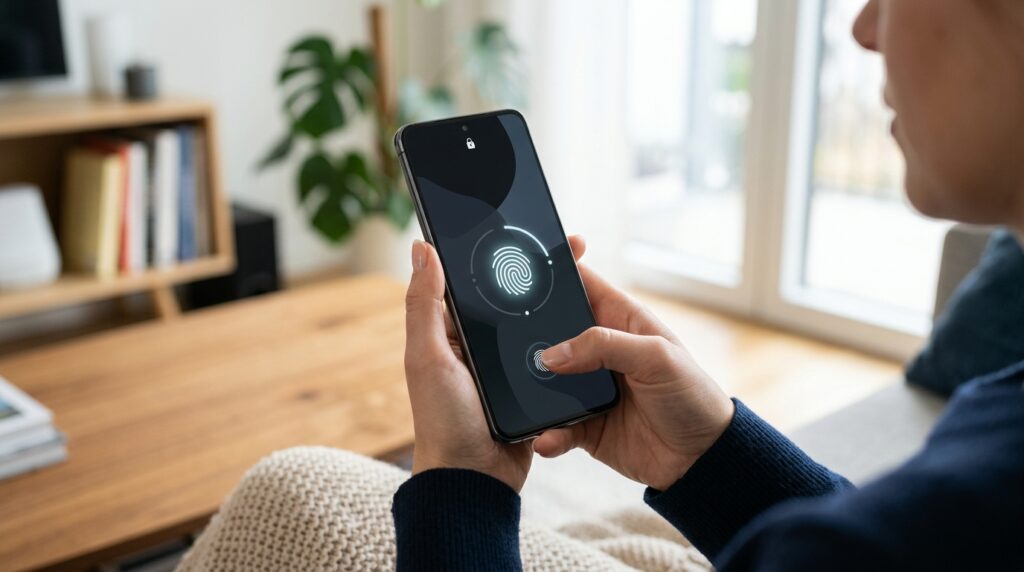
Biometrics add protection on top of the PIN code — even knowing the code, a stranger cannot unlock the device.
When Will Android 17 Come to Samsung, Xiaomi, and Other Smartphones
Right now, only Pixel smartphones are receiving the stable version. Manufacturers like Samsung, OnePlus, Xiaomi, and Honor will begin releasing their firmware based on Android 17 in the coming months. There are no exact dates for specific models, so if you don’t have a Pixel — you’ll have to wait for the brand’s own skin update.
Flagships will receive the update first, and a bit later it will reach budget models. Here are the brands that are guaranteed to release Android 17 for their devices:
- Xiaomi
- Honor
- Realme
- POCO
- Redmi
- Samsung
- OnePlus
- Nothing
- Vivo and iQOO
- Motorola
- Lenovo
Keep in mind that each brand has its own timeline and its own set of changes on top of “stock” Android. So the feature set on your device may differ from what’s available on Pixel right now.
Wear OS 7 and the June Feature Drop
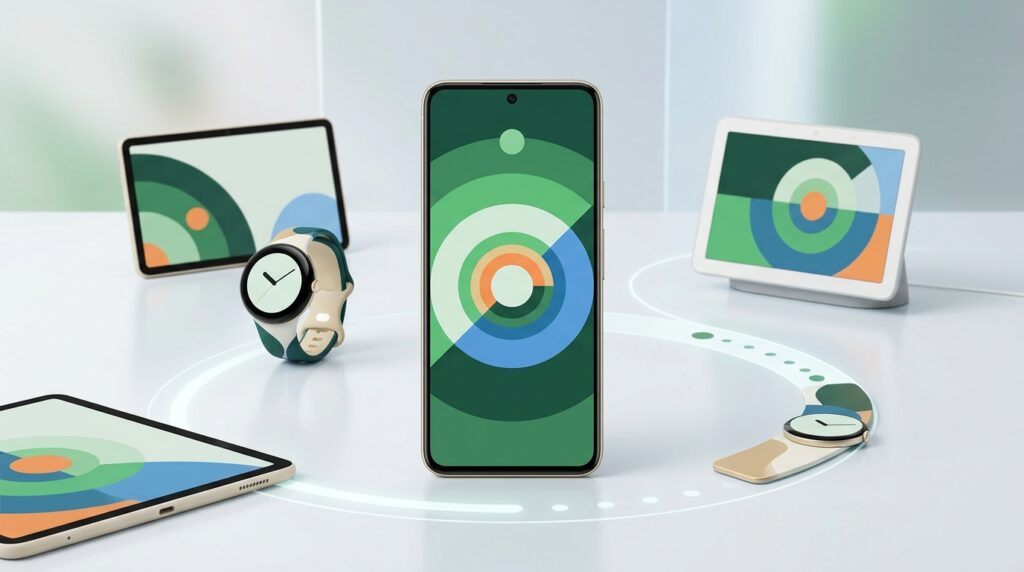
Along with Android 17, Google has started rolling out Wear OS 7 for smartwatches, as well as a package of new features as part of the June Feature Drop. This means the update affects not only smartphones but also some wearable devices in the ecosystem.
If you have compatible Wear OS watches, it makes sense to watch for update notifications in the companion app.
Should You Update to Android 17
If you have a Pixel 6 or newer — updating is definitely worth it, especially for the security improvements: one-time location access and biometric locking of a lost device are genuinely useful in everyday life.
Yes, there won’t be many new features in the grand scheme of things. After all, Google has long shifted to a model of distributing innovations through Google Play. However, Android 17 is a steady reinforcement of what you use every day. So you shouldn’t skip the update.
That said, there’s no need to rush and look for workarounds either: the update will arrive on its own in waves. Owners of Samsung, Xiaomi, and other brand smartphones will have to wait for their custom firmware — Google doesn’t announce their timelines.