RAM prices are rising worldwide, and this is already affecting laptop and smartphone prices. Apple finds itself in a more advantageous position thanks to its chip architecture, which the company has been building for years. Let’s break down why Mac and iPhone are less dependent on the memory crisis in 2026 than competitors’ devices.
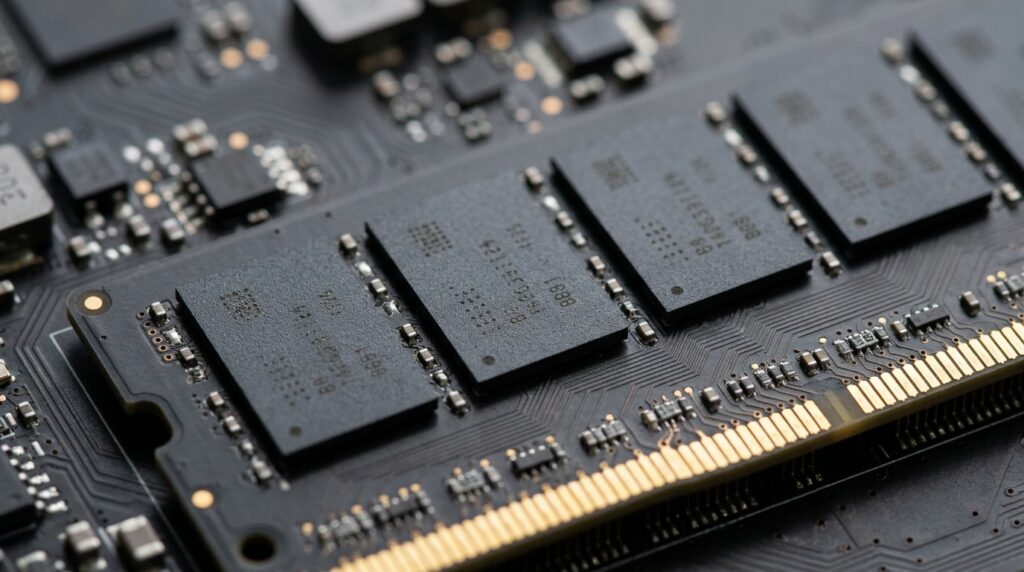
How Apple solved the memory problem in iPhone and Mac before it became critical
Why RAM Is Getting More Expensive in 2026
RAM (Random Access Memory) is the ultra-fast short-term memory of a device. When you open an app on an iPhone or MacBook, it loads directly into RAM so the processor can work with it without delays. The more RAM a device has, the more apps and tasks it can handle simultaneously.
In recent years, demand for RAM has surged dramatically due to artificial intelligence. Companies developing AI are buying up DDR5 memory — the same type used in Mac, iPhone, and iPad — for their servers. DDR5 memory has become scarcer than ever, and this is hitting the entire consumer electronics industry.
That’s why some manufacturers have already raised prices. For example, Microsoft increased the price of its Surface lineup by up to $500 specifically due to rising memory costs. Against this backdrop, iPhone, iPad, and Mac could also face pressure, although Apple is managing better than the rest so far.
Unified Memory in Mac: Why It’s Better Than Regular RAM
In traditional laptops and PCs, RAM consists of separate modules that exchange data with the processor and GPU through a bus. Apple does things differently: starting with the M-series chips, the company uses so-called unified memory — a shared pool of RAM built directly into the system-on-a-chip.
Starting with M1, Apple uses unified memory in Mac
This means the processor, graphics core, and Neural Engine (the chip for AI tasks) all work with the same memory block directly, without extra latency from data transfers. As a result, a Mac with 8 GB of unified memory can handle tasks that would require 12–16 GB of separate RAM on a regular Windows laptop.
How macOS Compresses RAM and Speeds Up Mac
The architectural advantage is complemented by software. macOS aggressively compresses data in RAM, allowing more information to fit in a smaller volume. This isn’t a new technology — Apple has been developing it for many years, but right now it has gained strategic importance.
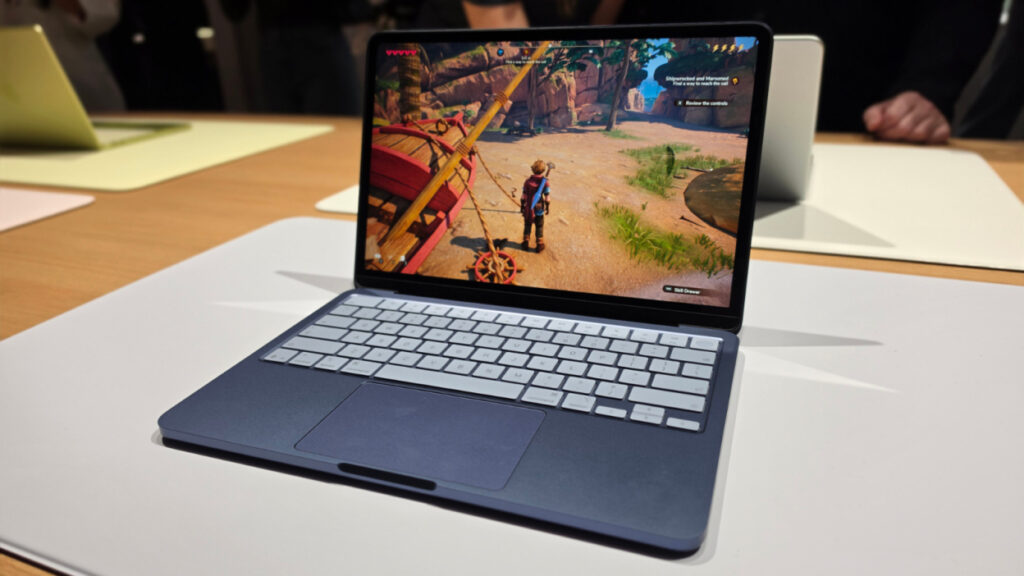
MacBook Neo with 8 GB even allows gaming on it
Thanks to the combination of unified memory and software compression, Apple was able to release the MacBook Neo with the A18 Pro chip and just 8 GB of RAM at a price of $599 (approximately 65,000 ₽ in Russia). This is sufficient for comfortable everyday work — precisely because the system manages each gigabyte more efficiently. Meanwhile, the release of the MacBook Pro with an OLED display has been postponed to 2027. This is where the memory shortage has had an impact. That model is supposed to have a lot of memory, but the market offers either unreasonable prices or insufficient supply.
Why Laptops Are Getting More Expensive Due to Memory, but MacBooks Aren’t
While other manufacturers are forced to either reduce memory capacity or raise prices, Apple maintains competitive pricing for its devices. This is a direct consequence of vertical integration: the company controls the chip, the memory, and the operating system, optimizing them together.
Just recall Microsoft’s price increase. Apple, meanwhile, has so far avoided similar surcharges — precisely because its architecture allows it to get by with less RAM without noticeable performance loss. However, Apple has already raised memory upgrade prices in Mac, though not because of the RAM shortage.
How Much RAM Do MacBook and iPhone Need Right Now
A separate reason why more memory is needed is on-device AI. When a device processes neural network requests locally rather than on a server, model parameters are loaded into RAM. The more powerful the model, the more RAM it requires.
Apple has recently increased the base memory in Mac to 16 GB, and in iPhone and iPad to 8 GB. This is directly related to Apple Intelligence and other AI-based features. But even with these capacities, the unified architecture advantage remains: Apple devices use each gigabyte more efficiently for neural network tasks.
On-device AI on iPhone and Mac requires increasingly more RAM
If you’re choosing a laptop or tablet right now, the memory crisis is a real factor. Windows and Android devices with sufficient RAM are getting more expensive, and this trend will likely continue.
Owners of Apple products don’t need to panic: current Mac, iPhone, and iPad models are already designed to work efficiently with their available memory. For those considering a purchase, keep in mind: even models with the minimum RAM configuration from Apple aren’t a compromise — they’re the result of an architectural approach that has now proven to be a strategic advantage. That said, for serious work with video, 3D, or large AI models, choosing a configuration with extra memory is still a wise decision.