I’ve explained more than once why I don’t use MAX as my primary messenger, and since then I’ve been receiving questions about the nature of this app. So many myths have accumulated around the MAX messenger that figuring out what’s true isn’t easy. Some consider it a secure replacement for Telegram. Others are convinced it spies on users and reads their messages. Let me break down the five most popular claims.
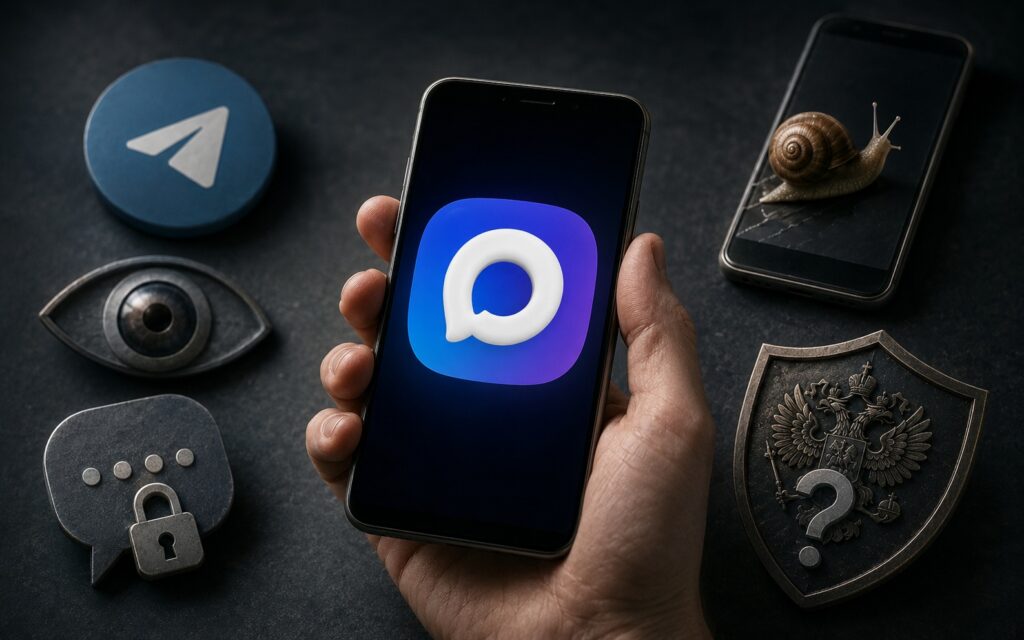
Breaking down the main myths about the MAX messenger
Will MAX Messenger Replace Telegram
MAX on Android and Telegram solve similar tasks — messaging, calls, channels, groups. That’s where the similarity ends. Key differences:
- Telegram has secret chats with end-to-end encryption — MAX does not have this feature;
- Telegram is available worldwide — MAX is far from everywhere;
- Telegram has a built-in crypto wallet, while MAX has a Digital ID;
- conversations from Telegram don’t transfer to MAX, since these are different platforms with different contacts.
MAX is a working alternative for communication within Russia. From a security architecture standpoint, it is not a full-fledged replacement for Telegram.
MAX Spies on Users
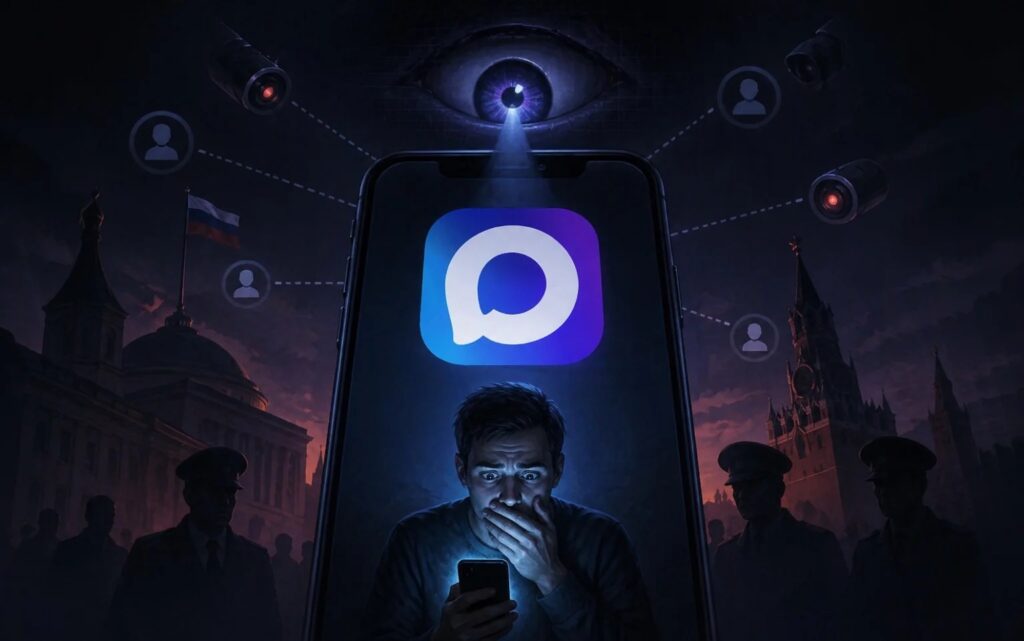
Some believe MAX was created for total surveillance
When my acquaintances explained why they don’t use the MAX messenger, they often cited surveillance. Let me break it down specifically. What is known about the MAX app:
- it detects the presence of a VPN on the device and blocks operation when a VPN is active;
- it contains an SDK from VK for analytics — tracking behavior within the app;
- it stores conversations on VK servers, not locally on the device;
- it transfers user data upon request from law enforcement — this is explicitly stated in the privacy policy.
There is no total surveillance in the sense of “reading every message in real time.” The app only gains access to the camera and microphone during active use. Yes, the infrastructure allows data to be obtained upon request. But that is not the same as surveillance.
MAX Reads All Messages
Based on the messenger’s privacy policy, many believe that MAX reads conversations. The logic is understandable, but the wording is inaccurate. Let me explain the difference. In messengers with end-to-end encryption (Telegram in secret chats), messages are encrypted so that even the server cannot read them — only the participants hold the key. MAX has no public specification of end-to-end encryption. This means the server is technically capable of accessing the content of conversations.
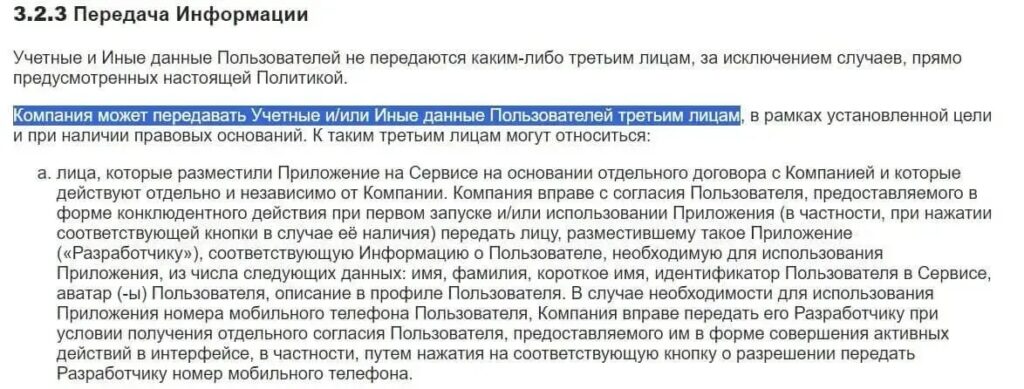
MAX itself doesn’t read messages, but it can hand them over
Does this mean someone is reading your messages right now? No. Does it mean that with a corresponding request, data can be handed over? Yes, and this is explicitly stated in the privacy policy. Therefore, it is not recommended to send the following through MAX on your phone:
- passwords and verification codes;
- photos of documents;
- banking details;
- trade secrets.
For everyday messaging — it’s fine. For sensitive information — it’s better to use a messenger with confirmed E2EE.
After Installing MAX, Your Smartphone Slows Down
People also say that MAX slows down the phone. But here are the actual resource consumption figures:
- about 3% battery per day in standby mode — comparable to any other active messenger;
- 150-200 MB of RAM in the background — standard for apps with push notifications;
- CPU load in the background — minimal.
MAX is dangerous for the battery no more than Telegram or any other messenger in a similar usage mode. If your smartphone is lagging, the cause is almost certainly not MAX. You should look for it in an overflowing storage, aggressive background processes, or an outdated system version.
The Government Messenger MAX Is Completely Secure
The messenger is not completely secure either
Here I’ll focus on the threat that’s talked about the least: scammers and account hacks. Some believe that since the messenger is government-backed, it’s completely secure. But this is yet another myth, and it harms users the most. It’s precisely the confidence in security that makes people let their guard down. Real threats:
- phishing through fake support accounts — scammers write on behalf of MAX and ask you to verify your account;
- hacking through interception of SMS verification codes — especially relevant if you use a simple password or don’t have two-factor authentication;
- links to fake payment pages — actively distributed through personal messages;
- fake clones of the MAX app — distributed through unofficial sources.
What to do right now to protect your account in the MAX messenger:
- enable two-factor authentication in settings;
- check active sessions and close unknown ones;
- download MAX on Android only from Google Play or RuStore;
- don’t click on links from unknown contacts.
MAX is a government messenger that complies with Russian legislation requirements. This doesn’t make it dangerous for most users in an everyday sense. But it doesn’t make it completely secure either.