Apple continues to develop its music ecosystem: alongside iOS 27, the company has added AutoMix support for smart speakers. Now Apple Music algorithms mix tracks directly on the HomePod, and streaming audio from a smartphone is no longer necessary.
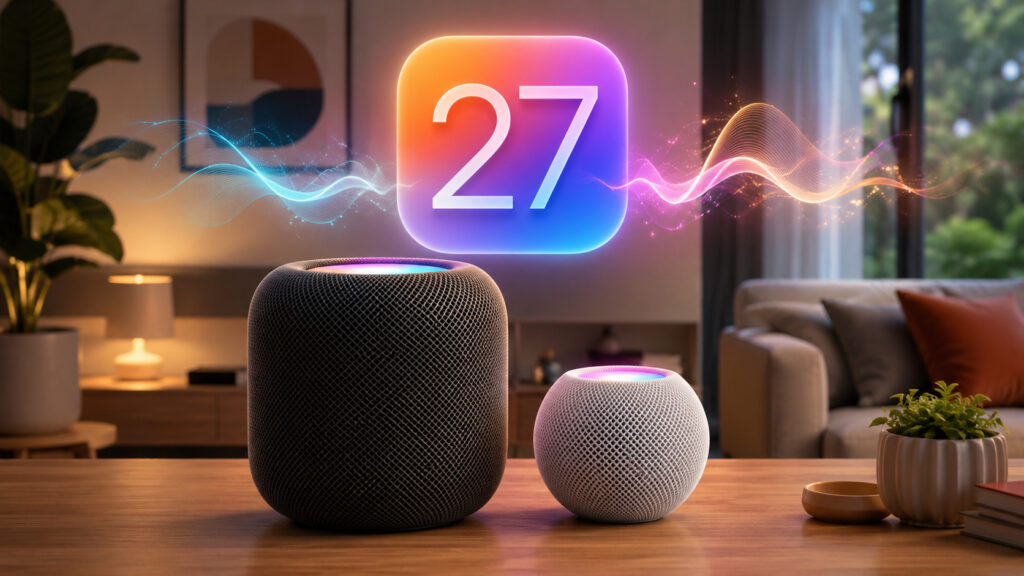
HomePod will receive an interesting update
What Is AutoMix in Apple Music and How It Blends Songs
In Apple’s streaming service, the AutoMix feature appeared earlier: it analyzes the rhythm and key of compositions to smoothly transition from one song to another. Unlike regular audio fading, known as crossfade, the smart algorithm creates the effect of a continuous music set. Songs don’t simply replace each other but are connected as if a DJ had specially mixed them.
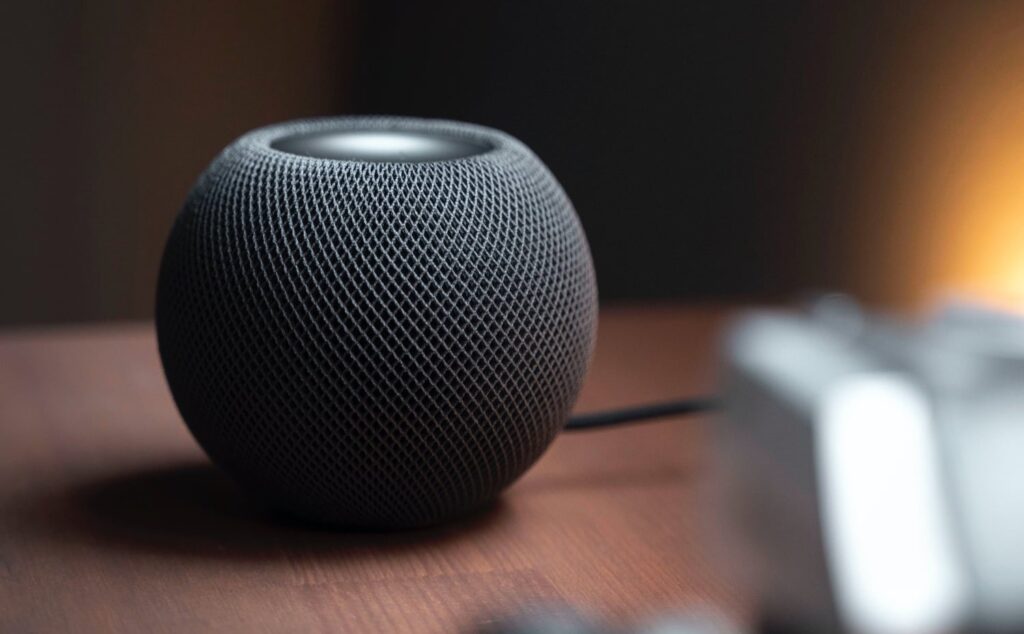
The speaker will be able to mix tracks on its own, without iPhone involvement
In the latest version of the operating system, developers have significantly improved this system. The algorithms have learned to create new types of transitions, so music collections sound like a unified mix without awkward pauses. The technology relies on machine learning: it selects track splicing points so that tempo and emotional tone smoothly flow from one composition to another. In practice, you can hear it immediately: instead of the usual pause between songs, you get a soft flowing sound, and the playlist stops breaking into separate chunks.
Interestingly, AutoMix works not only with dance music. The system equally carefully connects both calm tracks and energetic compositions, adjusting the transition length to match the character of each song. Previously, all of this was only available when listening to music on iPhone, iPad, or Mac. Many found it strange that Apple’s proprietary speaker couldn’t do what had long been working on phones. Now HomePod owners will appreciate intelligent transitions directly on their speakers.
How AutoMix Will Change Music Listening on HomePod
Before the release of HomePod Software 27, speaker owners could only enjoy basic crossfade. Full AutoMix didn’t work on the device. The only way to work around the limitation was streaming music from an iPhone via AirPlay, and only if track blending was enabled in the smartphone’s settings.
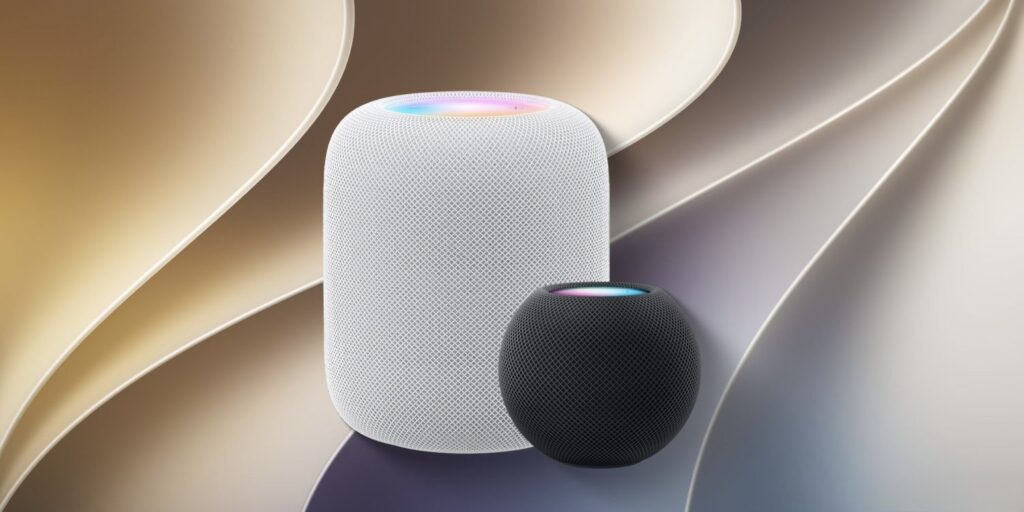
Arguably, this is the only interesting feature in the latest update
With the fall update, smart speakers will begin processing transitions on their own. This means you can simply ask Siri to play your favorite playlist, and the music will play smoothly without being tied to a phone. Imagine a party or a quiet dinner: the speaker maintains the mood on its own, and you don’t need to go up to it and manually switch tracks.
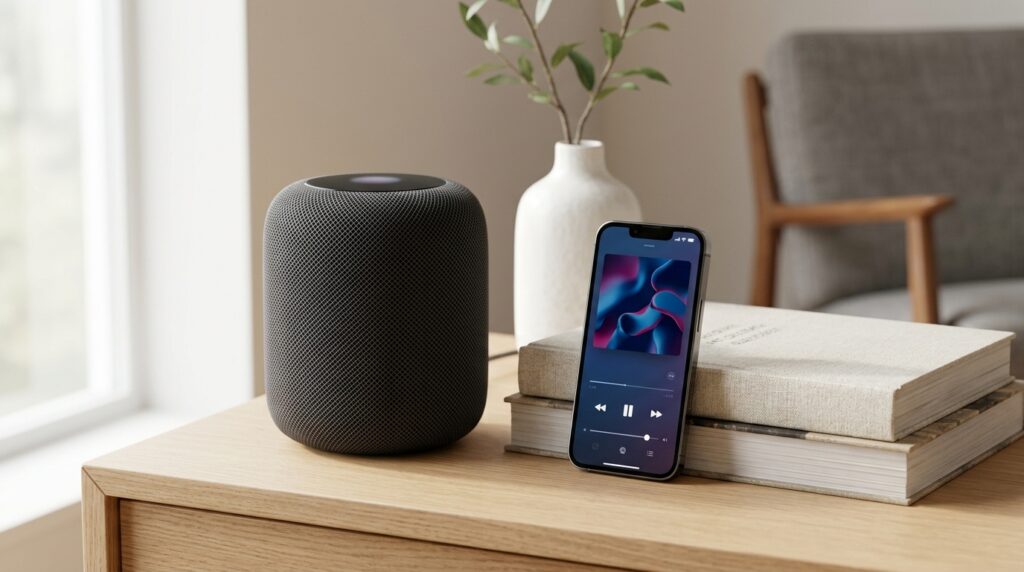
Previously, AutoMix was only available from iPhone via AirPlay
The improvement will be especially noticeable for those who listen to music through HomePod as their main speaker at home. You’ll no longer need to keep your smartphone nearby or worry about a dead battery, as the speaker will handle continuous playback completely autonomously.
Which HomePod Models Will Get HomePod Software 27
The most pleasant discovery in the HomePod Software 27 beta was its compatibility with older devices. Independent sources confirmed that the update installs without issues even on the very first smart speaker model.
This is a rare example of Apple continuing to support hardware it discontinued long ago. Many manufacturers limit updates to a couple of years, yet here an eight-year-old speaker receives fresh algorithms as if nothing has changed. For us users, this means significant savings: new capabilities arrive for free through a regular firmware update.
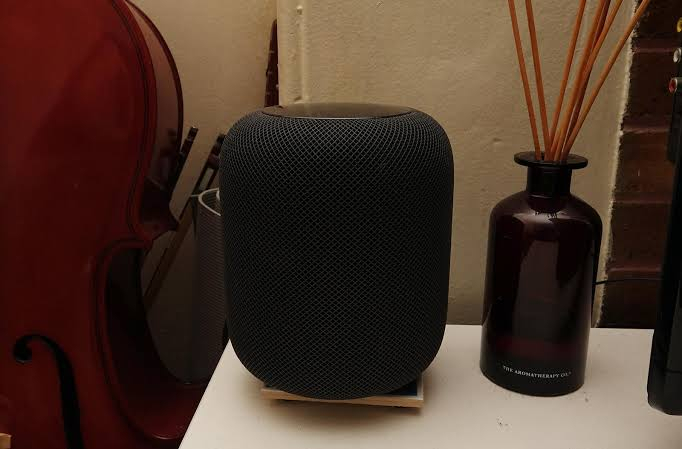
Even the original first-generation speaker will receive the update
The original HomePod was released back in 2018, and in 2021 Apple officially discontinued the device. Nevertheless, owners of the first speakers will receive support for the new algorithms on par with owners of modern HomePod and HomePod mini versions.
The public release of iOS 27 and speaker updates is scheduled for fall 2026. If you actively listen to music through Apple services and enjoy continuous playlists, this update will make everyday listening noticeably more enjoyable. You definitely won’t need to buy a new speaker for smart transitions: the company has proven that its audio hardware remains relevant for many years.