Remember the story of the Russian smartphone R-PHONE — a quasi-governmental device that was promised for years but never actually released? Now a similar story is unfolding in the TV segment. Rostelecom has officially announced plans to release smart TVs running its own Aurora TV operating system. This isn’t exactly the R-PHONE situation, since Rostelecom has money, infrastructure, and government contracts. But there are still more questions than answers.
Rostelecom is making the perfect TV for the MAX messenger
What Is Aurora TV and Where Did It Come From
Aurora is a Russian operating system developed by a Rostelecom subsidiary. It was originally created for secure smartphones and tablets for government use: officials, law enforcement agencies, and the corporate sector. Aurora phones do exist and are even sold, but mostly through tenders and government procurement. An ordinary person has likely never encountered this OS.
Now Aurora is being adapted for TVs. The Aurora TV operating system is a logical expansion of the lineup: first smartphones for government employees, then Aurora OS for automobiles, and now televisions. The ecosystem of government software is methodically expanding to new devices.
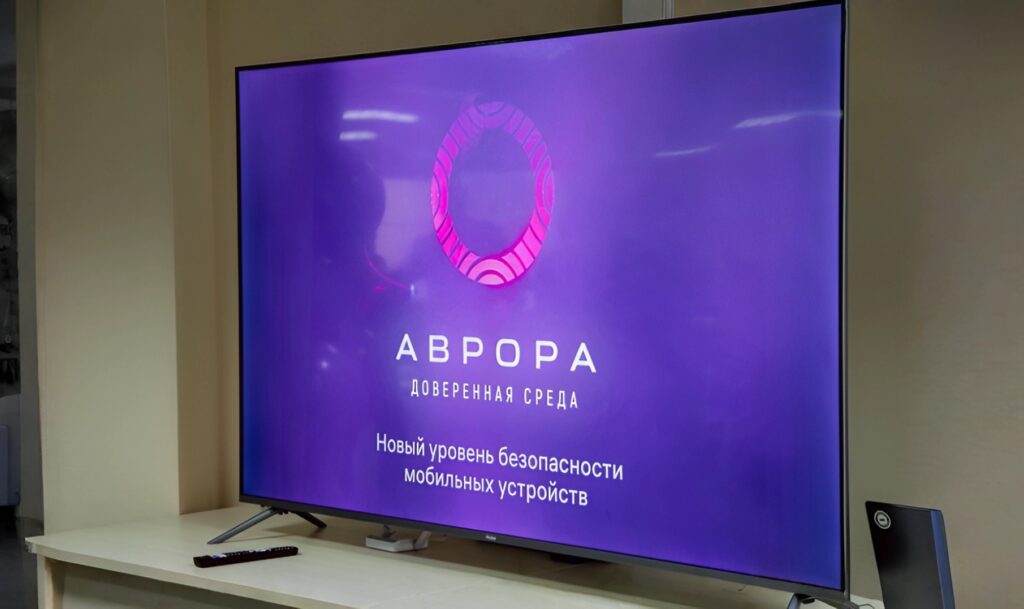
Rostelecom’s TV will run on Aurora TV. Image: rozetked.com
Developing such a platform from scratch costs 3-5 billion rubles in initial investment and about a billion per year for maintenance. That’s serious money. Where such a company gets it from is a rhetorical question.
What Can the Aurora TV Television Do
The official list of Rostelecom’s TV capabilities looks like this:
- screen sizes from 24 to 55 inches (the most popular market segment);
- an AI assistant with no details about what exactly it can do;
- DRM content protection from Elektra (a Rostelecom subsidiary);
- free broadcasting of mandatory federal channels without a digital TV module;
- PWA and CEF support, meaning web apps through a browser.
It is separately emphasized that the Rostelecom smart TV is “protected from foreign influence and handles personal data in accordance with Russian legislation.” This is a polished corporate way of saying that Netflix, YouTube, and other foreign services most likely won’t work in the default configuration. Or they will, but with caveats. For comparison: the Yandex TV Station is an example of how a Russian company made a genuinely convenient product with voice control, a rich ecosystem, and a clear user experience. Aurora TV doesn’t yet look like a worthy competitor to Yandex’s product.
Who Will Buy Rostelecom’s TV
The government TV on Aurora TV is primarily aimed at the public sector. In 2025, 3,300 tenders were announced for TV deliveries totaling 2.52 billion rubles. Schools, hospitals, government institutions, law enforcement agencies — these are the real audience for the first batch.
Rostelecom’s TV is not being created for everyone
The first batch will consist of 150,000-200,000 domestic TVs by the end of 2026. That sounds impressive until you compare it with the market. In the first quarter of 2026, 2 million smart TVs were sold in Russia. 150,000 is approximately 1.8% of quarterly sales volume. Not much for a company that wants 30% of the market within three years. The private buyer is also mentioned in the plans, but without specifics. An ordinary person can buy a Russian TV on Aurora TV so far only by accident.
How Much Will the Aurora TV Television Cost
Rostelecom’s ambitions to capture 30% of the Smart TV market within three years look interesting against the backdrop of real numbers. Android and Google TV hold over 40% of the Russian market right now. YaOS from Yandex is on every fifth TV sold. Salut TV from Sber is growing at 71% year over year. The market is already divided among strong players with developed ecosystems and clear user scenarios.
The potential price of the TV has not been disclosed
An expensive TV on a new platform without familiar apps and content is a tough sell for the mass consumer. Analysts estimate Aurora TV’s realistic market share at 15-25%, provided successful OEM partnerships are established. This is where a familiar scenario begins. Rostelecom is considering installing Aurora TV on TVs from other manufacturers — potentially not only Russian ones. That sounds like an ambitious plan. Rostelecom’s digital TV is already in millions of homes through set-top boxes, and TV expansion looks like a logical step.
Which Is Better: Aurora TV or Android TV
The honest answer depends on who you are. If you’re a government institution, you’ll get it without unnecessary questions through a tender. If you’re an ordinary buyer, the picture is more complicated. A new 2026 TV on Aurora TV will only be interesting when all the familiar services appear on it: streaming, music, video, a proper browser. Without that, the national TV is a beautiful idea with an inconvenient user experience. The same pitfalls that every new TV platform has stumbled into at the beginning of its journey.
For now, the recommendation is simple: if you’re planning to buy a TV — get one now with Android TV or YaOS. The ecosystem works, there are plenty of apps, and content is available. Rostelecom TV on Aurora could become an interesting product in a few years if it survives long enough to build a proper ecosystem and a competitive price. Or it could repeat the story of the R-PHONE.