POCO has launched two flagships at once, the F9 Pro and the F9 Ultra, and the short version of the comparison is this: both share the same 200 MP main camera with optical stabilization, a 185 Hz AMOLED display, Sound by Bose audio, IP68 protection, and 100 W wired / 50 W wireless charging. The Ultra justifies its higher price mainly through a 5x periscope telephoto lens, a 50 MP ultrawide, a noticeably larger 8050 mAh battery, and a full-speed version of the Snapdragon 8 Elite Gen 5. The F9 Pro counters with a lighter, more compact body and most of the same core hardware for less money. The source frames this pair as an Android alternative for anyone weighing a new iPhone.
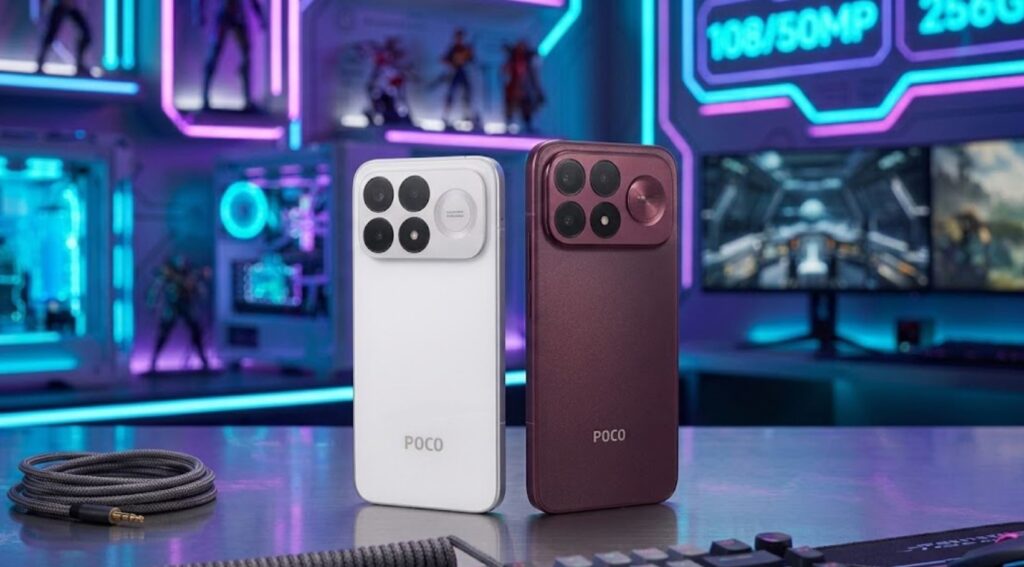
Working out which POCO to choose in 2026
What you need to know
- Both phones use a 200 MP main camera with optical image stabilization, described as a first for the POCO series, plus a 185 Hz AMOLED panel rated at 4500 nits with HDR10+ and Dolby Vision.
- The F9 Ultra adds a 50 MP periscope telephoto with 5x optical zoom and a 50 MP ultrawide; the F9 Pro has a 50 MP 2.5x telephoto (60 mm equivalent, stabilized) and an 8 MP ultrawide.
- Battery capacity is 8050 mAh on the Ultra versus 6330 mAh on the Pro; both support 100 W wired and 50 W wireless charging with silicon-carbon cells.
- The F9 Pro runs a “V” variant of the Snapdragon 8 Elite Gen 5 with slightly lower clock speeds and a VisionBoost D8 graphics chip; the Ultra uses the full-speed chip.
Pricing: a modest gap, but market-specific
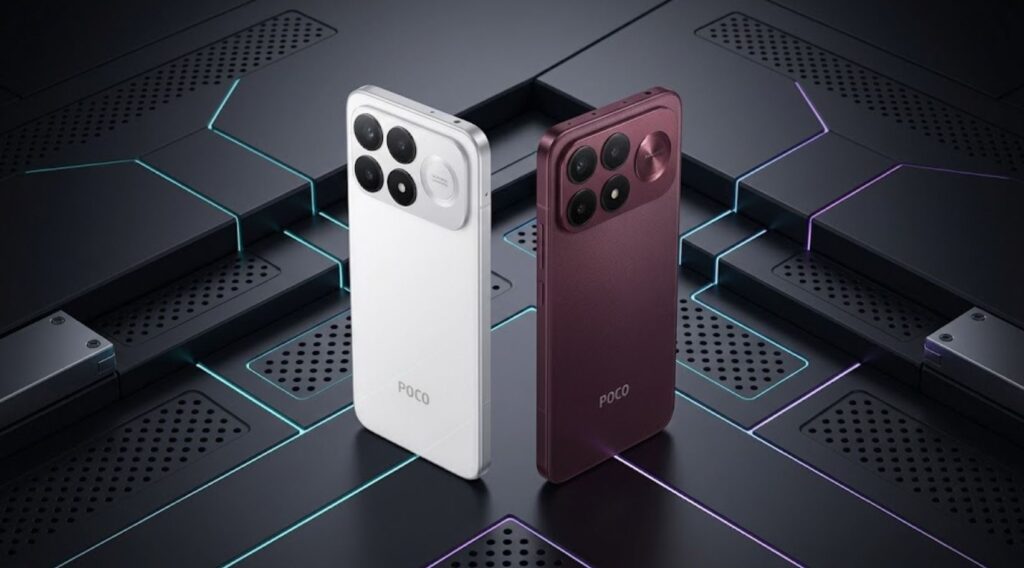
Both new phones are good in their own way. But which one is the better pick?
The source quotes launch pricing for the Russian market via online marketplaces: roughly 49,000 rubles for the F9 Pro in its 12 GB / 256 GB configuration (a few thousand more depending on the retailer), about 58,000 rubles for the F9 Ultra in the same 12 GB / 256 GB trim, and close to 70,000 rubles for the Ultra’s 16 GB / 512 GB version. Those exact figures will not carry over to other regions, but the takeaway does: the source describes the premium between the two base models as modest, around 5,000 to 7,000 rubles depending on the seller, rather than the large gap seen in the previous POCO pair. Buyers should check local pricing, since the difference will vary by market, retailer, and promotions.
Display, sound, and build
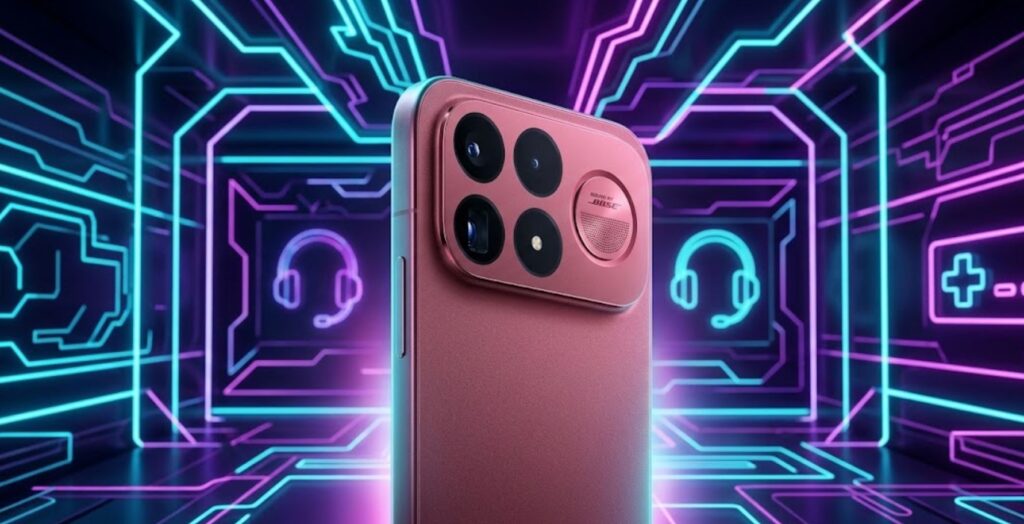
Both smartphones feature Bose-branded speakers
The displays are near-identical on paper: AMOLED, 185 Hz refresh rate, 4500 nits peak brightness, HDR10+ and Dolby Vision. The difference is size. The F9 Pro uses a 6.59-inch panel and weighs 206 grams, while the Ultra moves up to 6.9 inches. The source author says the Pro is noticeably lighter and more comfortable in the hand for anyone who dislikes very large phones.
Audio on both is branded Sound by Bose, but the implementation differs. The F9 Pro has stereo speakers, whereas the F9 Ultra adds a separate subwoofer built into the camera housing. According to the source author, the extra bass is audible when playing music or video without headphones. Both phones carry an IP68 rating.
Processor: the same Snapdragon, with a caveat
Both phones are marketed on the Snapdragon 8 Elite Gen 5, but not the same version of it. The F9 Pro uses the chip’s “V” variant paired with a VisionBoost D8 graphics chip; the source describes this as the top-tier platform with slightly reduced clock speeds. The F9 Ultra gets the full chip without the V suffix, and the source says it is noticeably faster at peak load, which shows up in demanding games at maximum settings.
The source author is candid that few people will notice in daily use. In Asphalt 9, the author reports equally smooth performance on both phones, and everyday tasks do not stress either chip. The gap reportedly appears only in the most demanding scenarios during long sessions. The author’s view is that the Ultra is the more attractive option if you plan to keep the phone for the long term, though this is a judgment call rather than a measured result.
Cameras: where the Ultra pulls ahead
This is where the source says the Ultra’s premium is easiest to justify. Both phones share the same 200 MP main sensor with optical image stabilization, which the source describes as a first for the POCO series. From there, the two diverge.
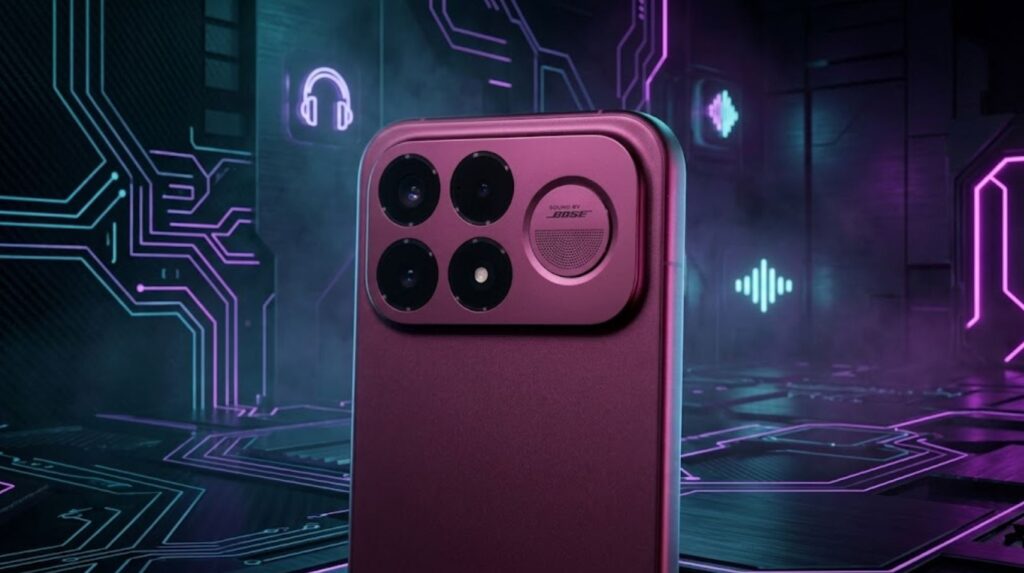
The F9 Ultra’s camera is clearly its strongest asset
The F9 Pro pairs the main sensor with a 50 MP telephoto offering 2.5x zoom (60 mm equivalent, stabilized) and a modest 8 MP ultrawide. The source calls this adequate for everyday shots and portraits, but describes the wide-angle module as an afterthought. The F9 Ultra instead uses a 50 MP periscope telephoto with 5x optical zoom and upgrades the ultrawide to 50 MP.
The source argues that 5x optical reach matters in real situations such as concerts, stadiums, and landscapes where you cannot physically get closer: the Pro falls back on digital zoom with a loss of quality, while the Ultra stays optical. The flip side is spelled out too: if you rarely shoot at long range and mostly use the main or wide camera, the extra cost will not pay off.
Battery and charging
The Ultra wins here as well, and the source notes this breaks POCO’s usual pattern of giving the larger battery to the cheaper model. The F9 Ultra carries an 8050 mAh cell against 6330 mAh in the F9 Pro, a difference of roughly 1700 mAh that the source author estimates at about half a day of extra runtime.
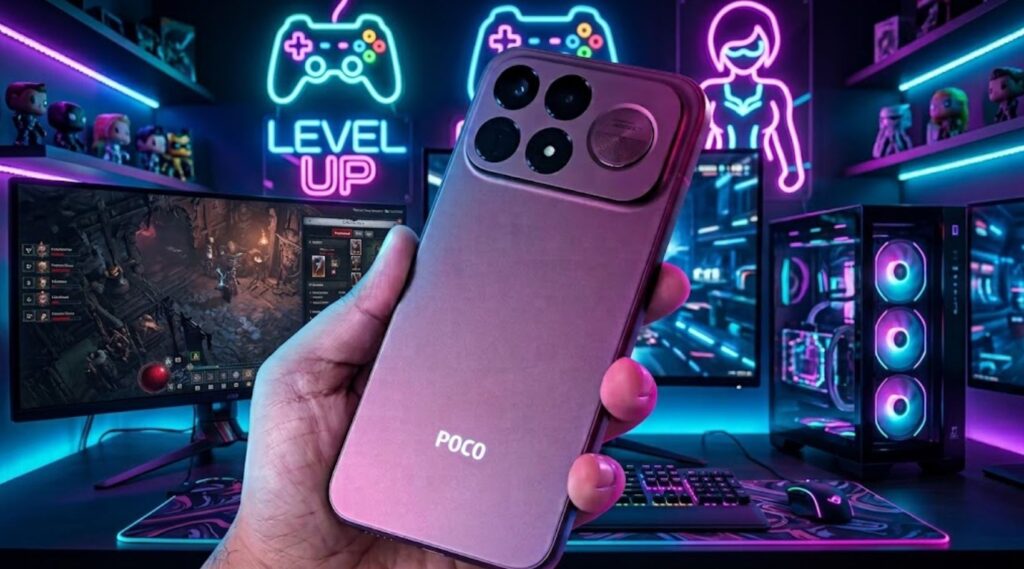
The F9 Ultra is far more appealing when it comes to battery life
According to the source author, the Pro’s 6330 mAh is enough for a solid day of heavy use, while the Ultra can stretch to one and a half or two days with moderate use. These are the author’s estimates rather than standardized test results. The author’s conclusion is that battery life is not the place to economize.
Charging is identical and fast on both: 100 W wired and 50 W wireless, which the source calls unusual at this price. Both use silicon-carbon battery chemistry.
Which POCO should you buy?
The source’s verdict is that the decision is simpler than it looks, and that the F9 Pro is not a bad choice. Both phones run Android with the flexibility that entails, including straightforward installation of apps from outside the official store. The source recommends the F9 Pro if you:
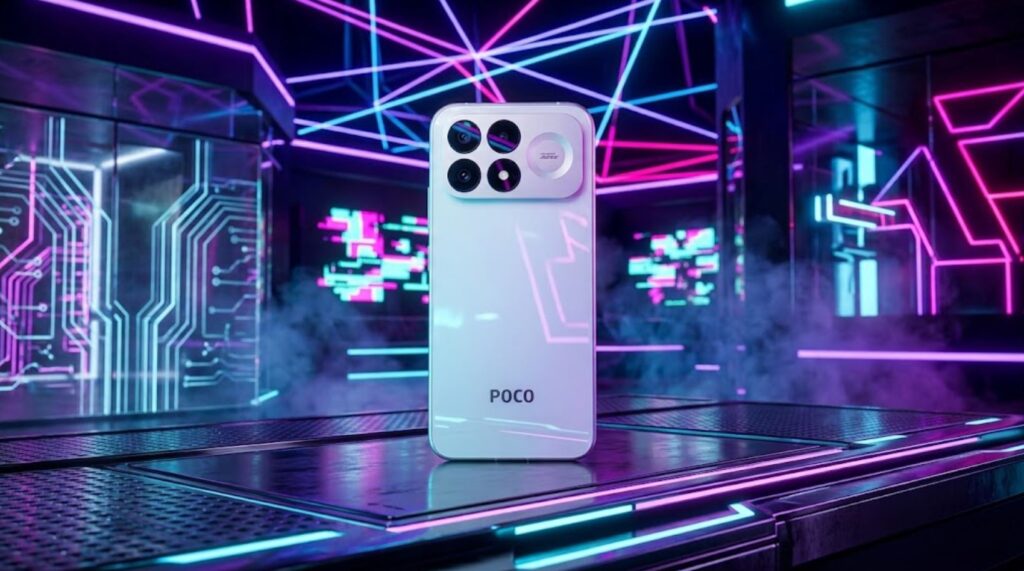
The F9 Pro is very good and good value, though it lacks a few features
- want a compact, light flagship (206 grams, 6.59-inch display);
- are satisfied with one strong 200 MP main camera and 2.5x zoom;
- do not want to pay extra for a periscope lens, a subwoofer, and a larger screen;
- value getting the same class of Snapdragon and 100 W charging for less.
The F9 Ultra is described as the no-compromise option. For a somewhat higher price, the source says you get:
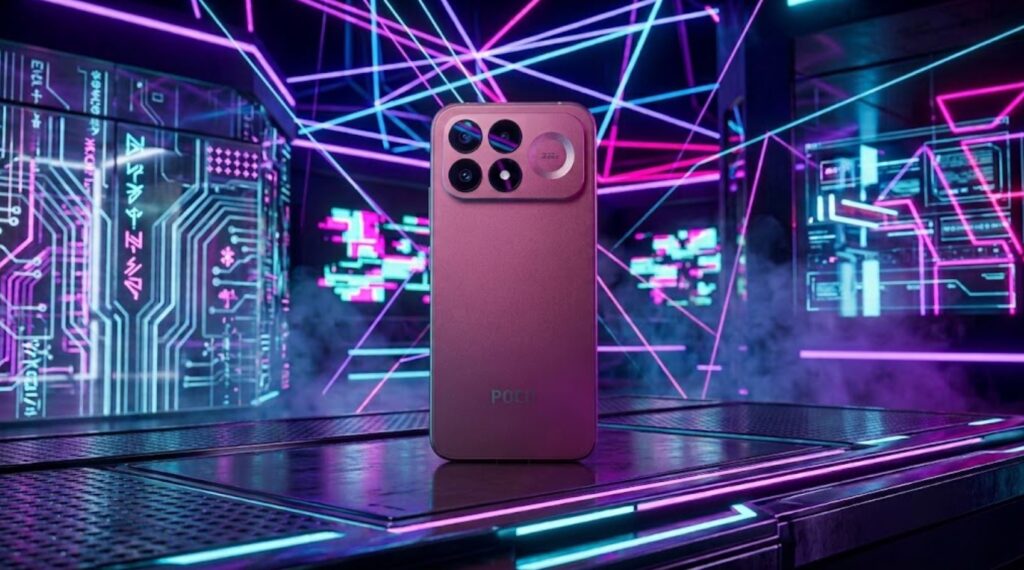
Willing to spend a bit more? The F9 Ultra delivers performance without restrictions
- true 5x optical zoom via a periscope lens;
- a 50 MP ultrawide instead of a token 8 MP module;
- a larger 8050 mAh battery and the full-speed chip for maximum peak performance.
The bottom line from the source: for a moderate premium, the F9 Ultra offers more on almost every front, from camera to battery, and for once the top model does not force any trade-offs. But if compactness and weight matter more, and you do not need a periscope or a subwoofer, the F9 Pro delivers most of the same experience for less.