Smartphone makers keep pushing megapixel counts higher — from 50 to 108 to 200 — but the relationship between megapixels and photo quality is far more nuanced than the number on the box suggests. The sweet spot for a main smartphone camera in 2026 is 48–50 megapixels. That range provides ample detail for cropping and printing, while keeping individual pixels large enough to capture good light. Shooting at a full 200 MP resolution is rarely worthwhile: files balloon to 50–80 MB each, and low-light results can actually be worse than binned shots at lower resolution.
What you need to know
- One megapixel equals one million pixels; the count determines maximum print size and crop headroom, but not color accuracy, brightness, or sharpness on its own.
- Most 200 MP phones default to 12 MP output via pixel binning (combining 16 pixels into one), proving the headline number is not the working resolution.
- For smartphone screens and social media, 8–12 MP is more than sufficient.
- Sensor size, aperture (e.g., f/1.4 vs. f/2.0), optical stabilization, and AI processing typically matter more than megapixel count.
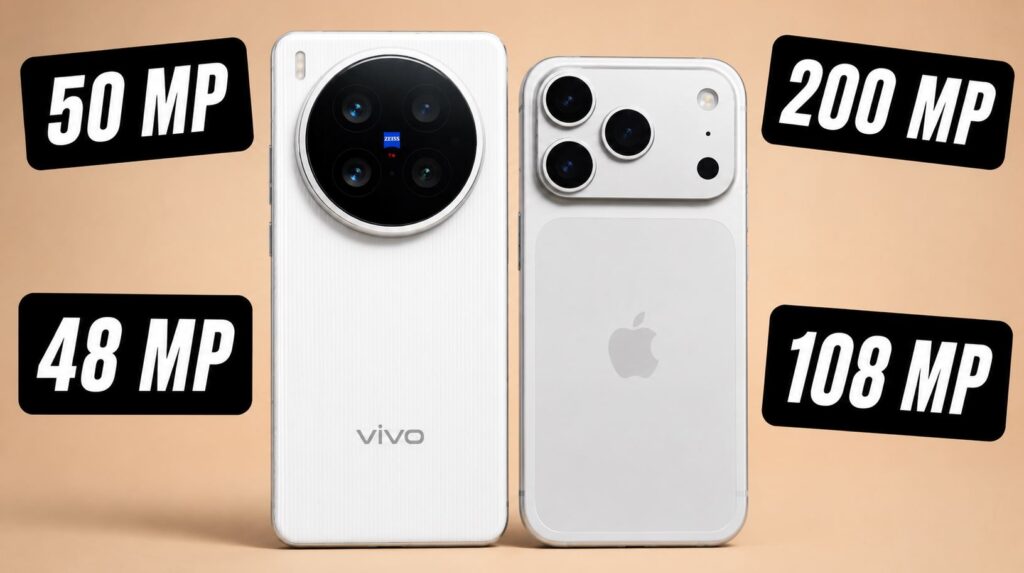
How many megapixels does a phone really need in 2026?
Do megapixels actually affect photo quality?
A megapixel is simply one million dots that make up an image. The total count — the resolution — determines how large you can print a photo and how aggressively you can crop it without losing sharpness. Beyond that, the number does surprisingly little. It does not make a shot brighter, more color-accurate, or inherently sharper. The reason megapixel counts sell so well is that they are easy to print on a box, unlike less tangible specs such as pixel size or lens quality.
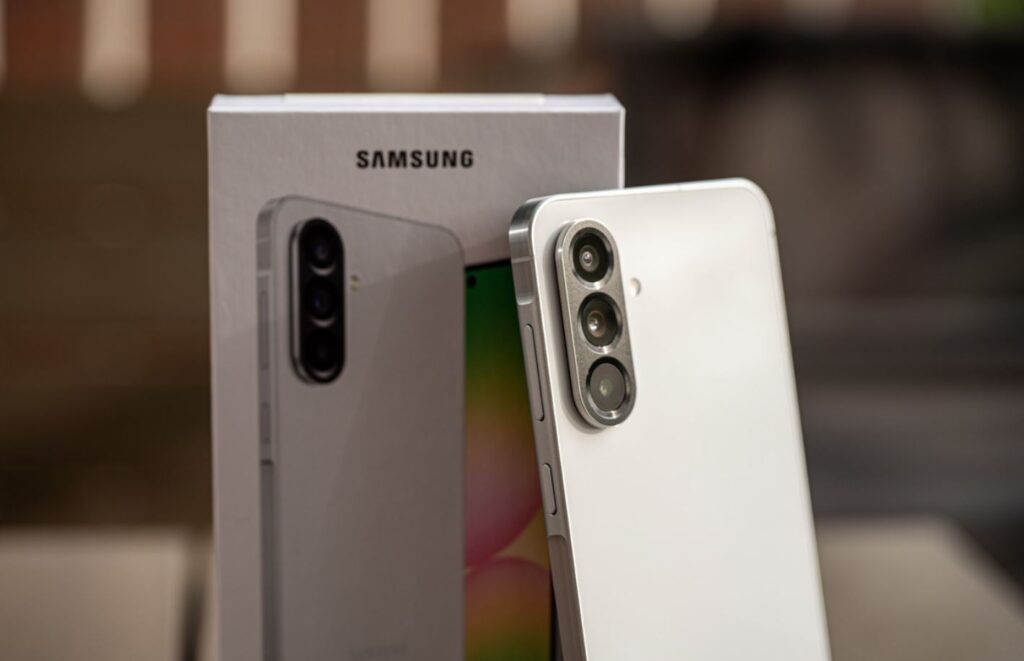
Manufacturers used to boast about megapixel counts everywhere they could
Why fewer megapixels can be better
A smartphone sensor has a fixed physical area. The more pixels crammed onto it, the smaller each pixel becomes. Smaller pixels capture less light, which increases noise in dark scenes and narrows dynamic range. To compensate, manufacturers use pixel binning — merging neighboring pixels into one larger virtual pixel, in groups of four or even sixteen.

Nearly all phones shoot at a lower resolution by default
The Samsung Galaxy S26 Ultra, for example, has a 200 MP sensor on paper but defaults to 12 MP output. Full-resolution mode must be enabled manually and is seldom used. This is clear evidence that the box number and the real-world result live separate lives. Apple’s iPhone held at 12 MP for years for exactly this reason: larger pixels almost always outperform a swarm of tiny ones.
What actually determines photo quality
If megapixels are secondary, what should you look at? Several factors matter far more:
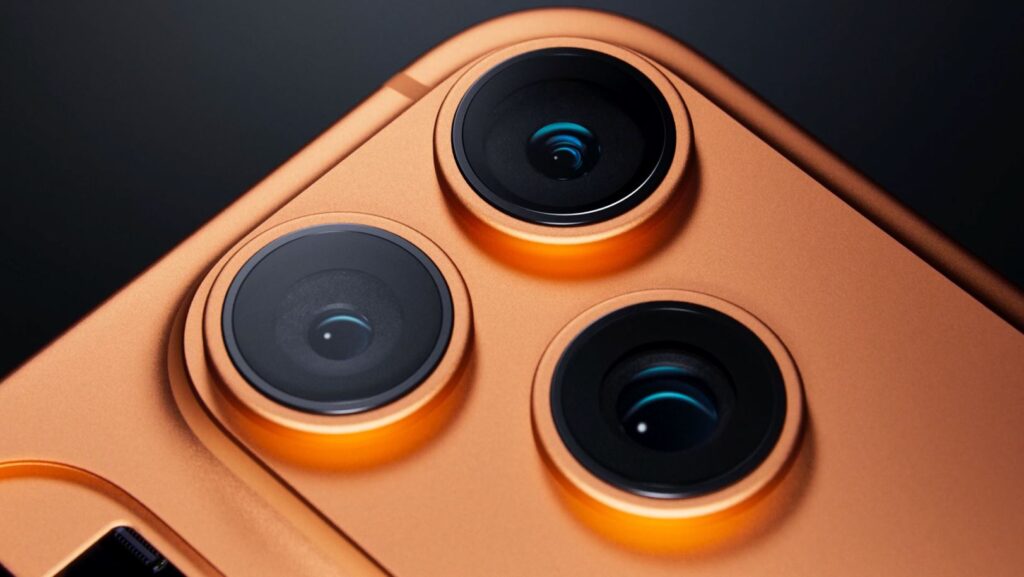
Many factors affect photo quality, not just megapixels
- Sensor size: A larger sensor gathers more light per frame, which is the single most important hardware variable.
- Aperture: A wider aperture such as f/1.4 lets in significantly more light than f/2.0.
- Optical image stabilization (OIS): Prevents motion blur at longer shutter speeds. Even budget phones now include OIS.
- Software processing: HDR, night mode, and AI-driven computational photography can improve results more than hardware alone. This helps explain why some phones with modest specs on paper can rival professional cameras in output quality.
- Optics and telephoto lenses: Zoom capability and edge-to-edge sharpness depend on the lens array, not the pixel count.
Why manufacturers keep raising the number
If excess megapixels offer diminishing returns, why do brands keep pushing higher? The reasons are a mix of marketing appeal, a reserve of resolution for digital zoom via cropping, and a full-resolution mode that can be useful in bright daylight. The practical benefit is real but narrow — most users will never need it.
The bottom line for 2026
Chasing the megapixel number on the box is not worthwhile in 2026. A 48–50 MP main camera offers more than enough detail, and after pixel binning each pixel remains large and light-sensitive. Even 12 MP still covers the majority of everyday needs. For video, smoothness and stabilization matter more than sensor resolution.
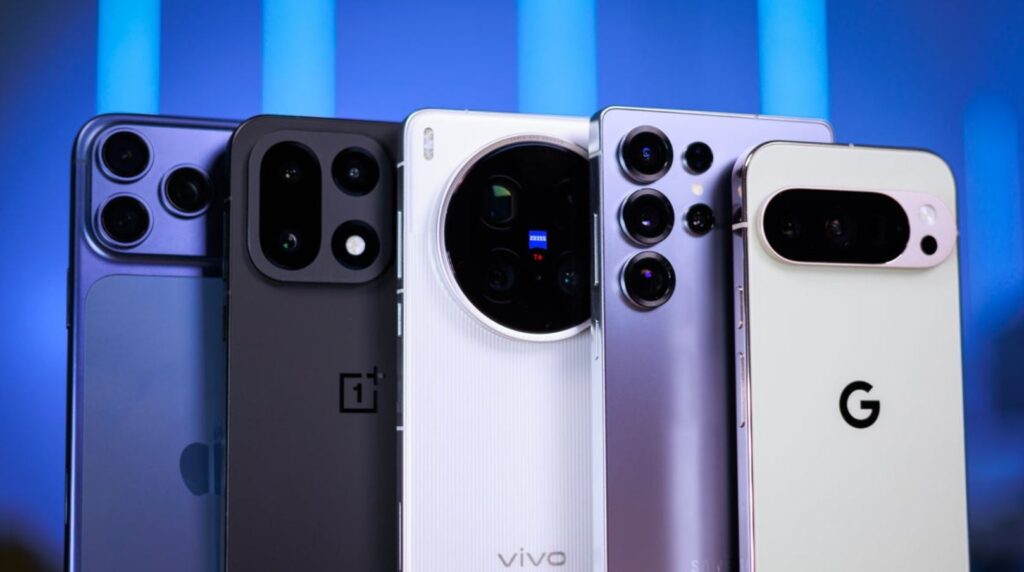
There are genuinely good camera phones on the market, winning users over with quality rather than specs
When evaluating which smartphone has the best camera, look at sensor size, aperture, stabilization, and computational processing rather than the megapixel headline. The source mentions several models as reference points for strong camera performance in 2026:
- Samsung Galaxy S26 Ultra — 200 MP on paper, but relies on intelligent binning and top-tier processing for its real-world results.
- Xiaomi 17T Pro — pairs Leica optics with large sensors instead of chasing pixel counts.
- vivo X300 — focuses on producing vivid, rich photographs.
- Google Pixel 10 Pro — described as a computational photography leader with a modest 50 MP sensor.
The overarching takeaway: in 2026, the megapixel race is largely a marketing exercise. The factors that genuinely separate a good smartphone photo from a mediocre one — sensor size, lens quality, stabilization, and software — are harder to advertise but far more important.