Sugar and poor brushing get most of the blame for tooth decay, but dentists point out that several seemingly harmless everyday habits can erode enamel just as effectively. The key insight: teeth rarely suffer from a single mistake — it is the daily repetition of small aggressions that accumulates into cavities, cracks, and sensitivity over time. Here are seven common habits that quietly damage your teeth, along with practical ways to reduce the harm.
What you need to know
- Saliva needs roughly two hours to fully neutralize the acids that plaque bacteria produce after you eat carbohydrates, according to dental experts cited in the source.
- Brushing within 30 minutes of consuming acidic food or drink can physically strip a softened layer of enamel, accelerating erosion.
- Bruxism (teeth grinding), often linked to stress and sleep disorders, causes micro-cracks and can break fillings over time.
- Both traditional cigarettes and e-cigarettes harm oral health — nicotine restricts blood flow to gums, while vaping dries out the mouth and reduces saliva’s protective effect.
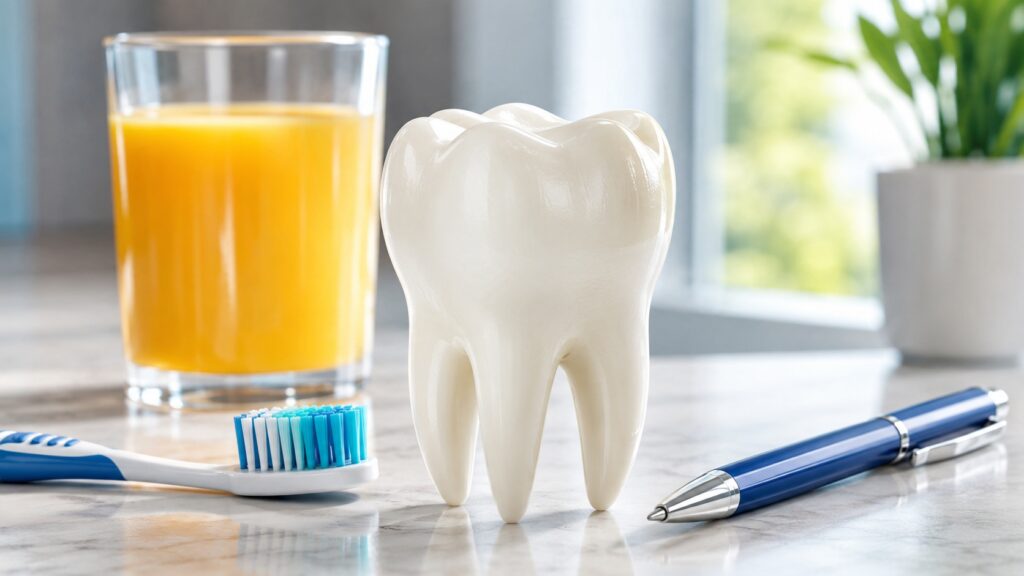
Some habits can ruin your teeth faster than sweets do
1. Constant snacking and grazing on sweets
What matters for enamel health is not so much the amount of sugar you eat, but how often it enters your mouth. Plaque bacteria feed on carbohydrates and release acids that leach minerals from tooth surfaces. According to experts from Sechenov University, saliva needs about two hours to fully neutralize those acids. If you are constantly sipping sweetened tea, nibbling crackers, or sucking on hard candy, the acidic environment in your mouth persists almost continuously, giving enamel no chance to remineralize.
2. Sipping acidic drinks slowly over hours
Sweetened sodas, energy drinks, and fruit juices pose a double threat: sugar feeds harmful bacteria, while the acids in these beverages directly attack the tooth surface. Free sugars from liquid products gradually make enamel porous and defenseless. The most damaging scenario is placing a bottle of soda or juice beside you and sipping it for hours. Every new sip resets the acid clock, extending the period of chemical damage.
If you enjoy fruit drinks or sports beverages, it is better to consume them in one sitting alongside a meal rather than using them as a water substitute throughout the day.
3. Pressing too hard with a stiff-bristled toothbrush
The logic of “the harder I scrub, the whiter they’ll be” is a common but significant mistake. Excessive pressure does not remove stubborn plaque — instead, it wears away tissue near the gum line and seriously injures the gums. Over time this can expose tooth roots, cause sharp sensitivity to cold, and create wedge-shaped defects visible as “steps” at the base of the tooth.
Dental health experts warn that rapid horizontal strokes with hard bristles are especially harmful. Gentle sweeping motions from the gum toward the biting edge are sufficient. Holding the brush lightly with two fingers — like a ballpoint pen — makes it physically difficult to apply excessive force.
4. Brushing immediately after acidic food or drinks
It seems logical to brush right after breakfast with a glass of orange juice, but this actually causes direct harm. After contact with any acidic substance — citrus fruit, soda, or even stomach acid during heartburn — the enamel surface temporarily softens. If you brush at that moment, the bristles can literally scrub away a microscopic layer of tooth, accelerating erosion.
Dentists strongly recommend waiting about 30 minutes after acidic food before brushing. During that time, saliva will neutralize the aggressive environment. In the meantime, rinsing with plain water is a safe alternative.
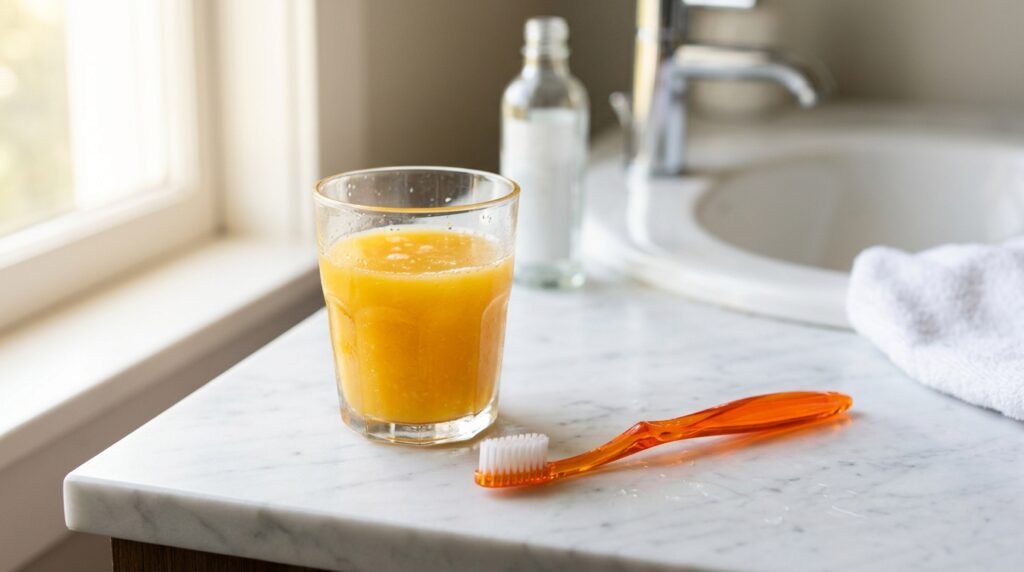
Acid from juice softens enamel, making it vulnerable to toothbrush abrasion
5. Clenching your jaw and grinding your teeth
Bruxism — the habit of tightly clenching the jaw or grinding teeth — often goes unnoticed, especially during sleep. It is closely linked to stress, heightened anxiety, and sleep disturbances. Hours of sustained overload gradually wear teeth against each other, create micro-cracks in the enamel, and cause old fillings to chip.
Warning signs include morning fatigue in the facial muscles, jaw-joint pain, or unexplained headaches. In such cases, a dentist can fabricate a custom smooth night guard that absorbs the grinding forces.
6. Chewing ice, biting nails, and gnawing on pens
Teeth are designed for the even chewing of food — not for use as pliers or bottle openers. Biting down on hard ice from a drink, snapping a plastic line, or prying a tight cap off a pen concentrates the entire load on a tiny area of the incisor. This can instantly cause deep cracks, chip off half a tooth, or break expensive ceramic crowns. Even small, repetitive mechanical stress adds up over time. The advice is straightforward: use the right tool for the job, and let ice melt in the glass.
7. Smoking cigarettes or vaping
Smoking damages far more than the color of your smile. Nicotine sharply constricts blood vessels, depriving gums of essential nutrients and oxygen. This is a direct path to gum recession and loosening of teeth that may otherwise look perfectly healthy.
E-cigarettes and vapes are not harmless either. Regular use significantly dries out the oral mucosa. Without adequate natural saliva, the mouth loses its primary defense: bacteria multiply faster, and acids are not washed away from the enamel surface.
How to protect your teeth
Preserving a healthy smile does not require drastic sacrifices. The following steps help:
- Choose a toothbrush with medium bristles and use a fluoride toothpaste.
- Clean between teeth regularly with floss or interdental brushes.
- Reduce the number of acidic snacks between main meals.
- Replace sugary juices and sodas with plain water as your default drink.
- Wait at least 30 minutes after acidic food before brushing.

Simple hygiene rules and breaking bad habits can keep teeth healthy for years
It is important to understand that teeth very rarely deteriorate from a single mistake. The real enemy is daily repetition. One glass of lemonade or an accidentally crunched candy will not cause a catastrophe. But when small injuries accumulate over years, they inevitably turn into deep cavities or painful sensitivity.