Xiaomi has officially ended software support for six more devices across its Xiaomi and Redmi lineups. As of August 17, these models will no longer receive firmware updates or security patches, and they are confirmed not to receive HyperOS 4. The move follows a similar batch of 10 devices that lost support the previous month.
What you need to know
- Six Xiaomi and Redmi devices have been officially dropped from software support, including the Redmi Pad SE tablet.
- Most affected models are China-region variants, but the Xiaomi 12 Lite loses support across multiple regions including Russian, global, European, Taiwanese, and Indonesian versions.
- Affected devices will no longer receive security patches or new system features, though they will continue to function normally for now.
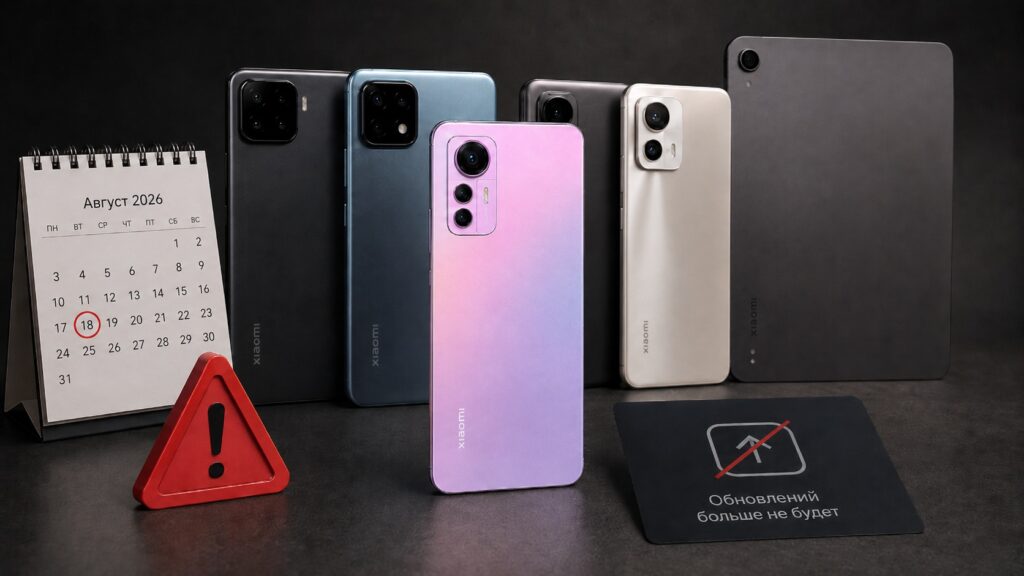
Several popular Xiaomi models have lost update support
Which models have been dropped
The following six devices have been officially marked as end-of-life for software support:
- Xiaomi 12S Pro (China)
- Xiaomi 12 Lite — multiple regional versions including Russian, global, European, Taiwanese, and Indonesian
- Redmi Note 12R (China)
- Redmi 12R (China)
- Redmi 12 5G (China)
- Redmi Pad SE tablet (China)
An important detail: most models on this list are China-region variants. The notable exception is the Xiaomi 12 Lite, which has lost support across several international regions. If you own this particular phone in any of the affected regions, this news applies directly to you.

What end-of-support actually means
For these models, Xiaomi will no longer release firmware updates or security patches. In practical terms, the devices will not receive new system features, nor will they get fixes for newly discovered vulnerabilities — the kind of patches that close security holes potentially exploitable by attackers.
Security patches will no longer be issued for these devices
That said, the phones themselves continue to work. Apps launch, calls go through, and messaging and banking apps still function — for now. The difference is that over time, unpatched vulnerabilities accumulate, and some apps may eventually require a newer OS version than what these devices are running.
Why Xiaomi drops older devices
The reason is straightforward: every device model has a predetermined support window. Once that window closes, the manufacturer stops allocating resources to produce updates for aging hardware and shifts focus to newer devices. This is standard practice across the smartphone industry, not something unique to Xiaomi.
There is one small consolation, according to the source. The official end of support does not absolutely guarantee that owners will never see another update. If a particularly severe vulnerability is discovered, Xiaomi may in rare cases issue a fix even after the official support period has ended. However, this should be treated as an exception rather than something to rely on.

What affected owners should consider
There is no need to panic or immediately replace your phone. The primary risk from the absence of security patches is the gradual accumulation of unpatched vulnerabilities. Owners of affected devices should exercise extra caution: avoid installing apps from untrusted sources, be more careful with links, and where possible keep sensitive data protected.
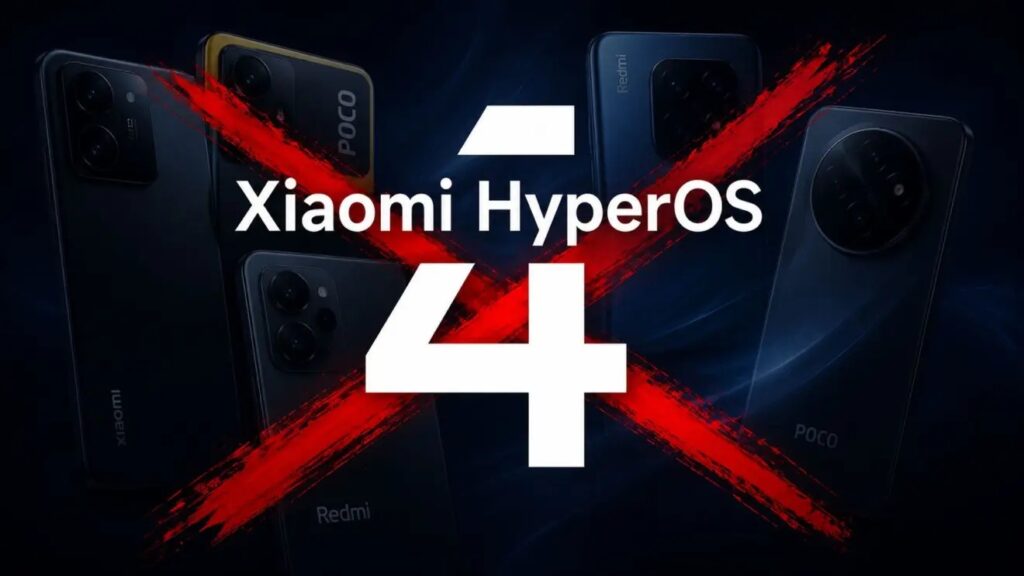
Even without future updates, the smartphones will continue to work
Those who should think most seriously about upgrading include:
- Xiaomi 12 Lite owners — this is the only model on the list with broad international availability, making it the most widely relevant.
- Users who rely on their phone for banking apps and other sensitive data.
- Anyone who was already considering an upgrade — the end of support provides an additional reason.
For the China-only models (Redmi 12 5G, Redmi 12R, Redmi Note 12R, Xiaomi 12S Pro, and Redmi Pad SE), the impact is largely limited to users in China or those who imported these devices. These phones will continue to work — just without new firmware.