I sat down to compare two fresh flagships and realized the choice here isn’t about which is better, but about what matters more to you. Samsung Galaxy S26 is small, neat, and promises updates for years ahead. Xiaomi 17T Pro, on the other hand, is large and packed with beastly hardware — people get it for power and battery life. Both aim for premium, but appeal to different people. Now I’ll tell you what’s better — the new Xiaomi or Galaxy S26.
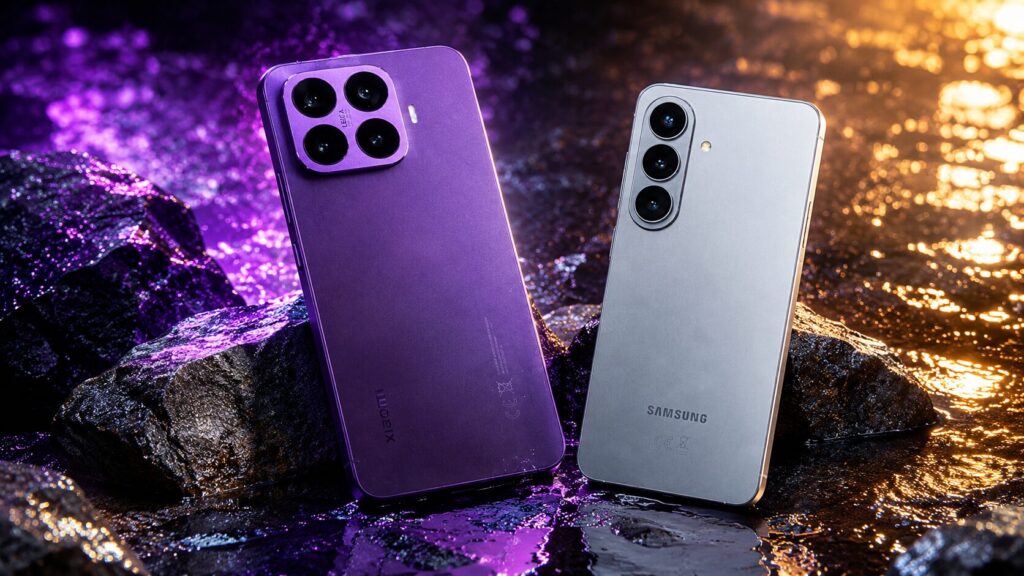
New Xiaomi or Samsung? Let’s figure out what to get
Design and Display: Compactness vs. Grand Scale
This is where the phones immediately diverge. Galaxy S26 is a compact flagship with an Armor Aluminum 2 frame and Gorilla Glass Victus 2, comfortable to hold in one hand all day. Xiaomi 17T Pro is larger, heavier, and clearly designed for gaming, movies, and long battery life without a charger. Both have IP68 water protection.
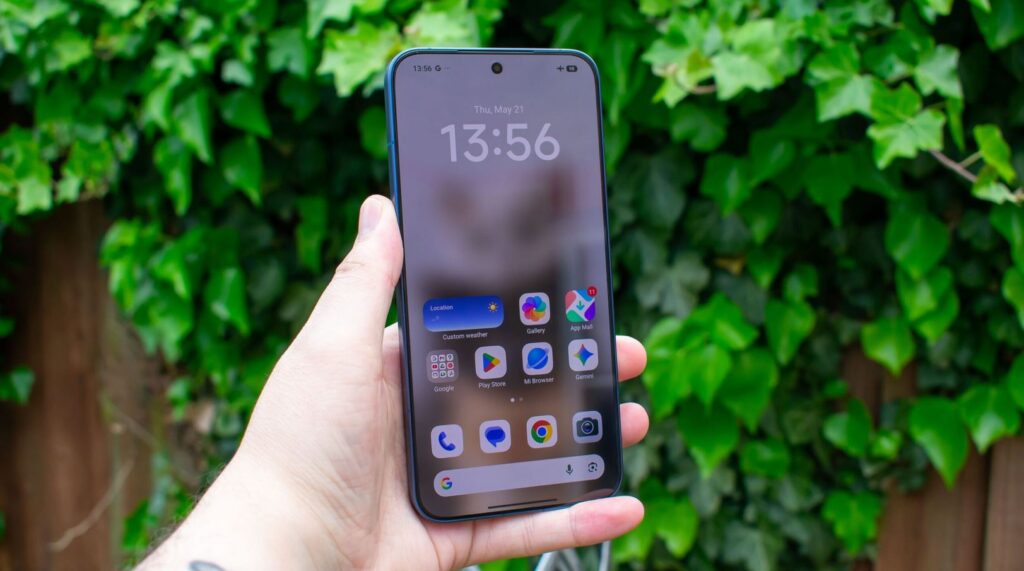
The new Xiaomi is indistinguishable from a flagship from the front
In terms of display, the edge goes to Xiaomi. A large 144 Hz AMOLED display, Dolby Vision support, and brightness up to 3500 nits make the picture vivid even in sunlight. Samsung’s Dynamic LTPO AMOLED panel is more modest in numbers — 6.3 inches and 120 Hz — but it’s excellently calibrated and reads perfectly outdoors. For movies and gaming, Xiaomi is brighter and more spectacular; for compactness, Samsung is more pleasant.
Which Smartphone Is More Powerful — Xiaomi 17T Pro or Galaxy S26
Xiaomi 17T Pro runs on the new MediaTek Dimensity 9500 processor with up to 1 TB of storage and 16 GB of RAM — it’s a machine for heavy gaming and multitasking. Samsung uses the flagship Snapdragon 8 Elite Gen 5 or Exynos 2600 depending on the region, plus proprietary optimization and seven years of updates. If you’re thinking about which phone with a powerful processor to get, Xiaomi has the advantage. The thing is, the 17T Pro ships with a proven chip everywhere, while the Galaxy S26 in Russia comes with the Exynos 2600.
Samsung could have been perfect if not for the Exynos chips
The battery life gap is also huge. Xiaomi has a 7000 mAh battery and 100W fast charging via cable plus 50W wireless. Samsung has only 4300 mAh and a modest 25W. That said, Samsung is actively refining its fresh One UI: recently the Galaxy S25 received One UI 8.5 with features that were previously exclusive to the S26, so in terms of updates, the Koreans truly deliver.
Galaxy S26 Camera or Xiaomi 17T Pro — Which Is Better
Both have three cameras, but the focus is different. Xiaomi 17T Pro features a 50 MP main camera tuned by Leica, a separate 50 MP periscope with 5x optical zoom, and an ultrawide. The periscope is a serious advantage if you like shooting from a distance. Samsung goes with a proven combo: a 50 MP main module, a 10 MP telephoto with 3x zoom, and a 12 MP ultrawide.
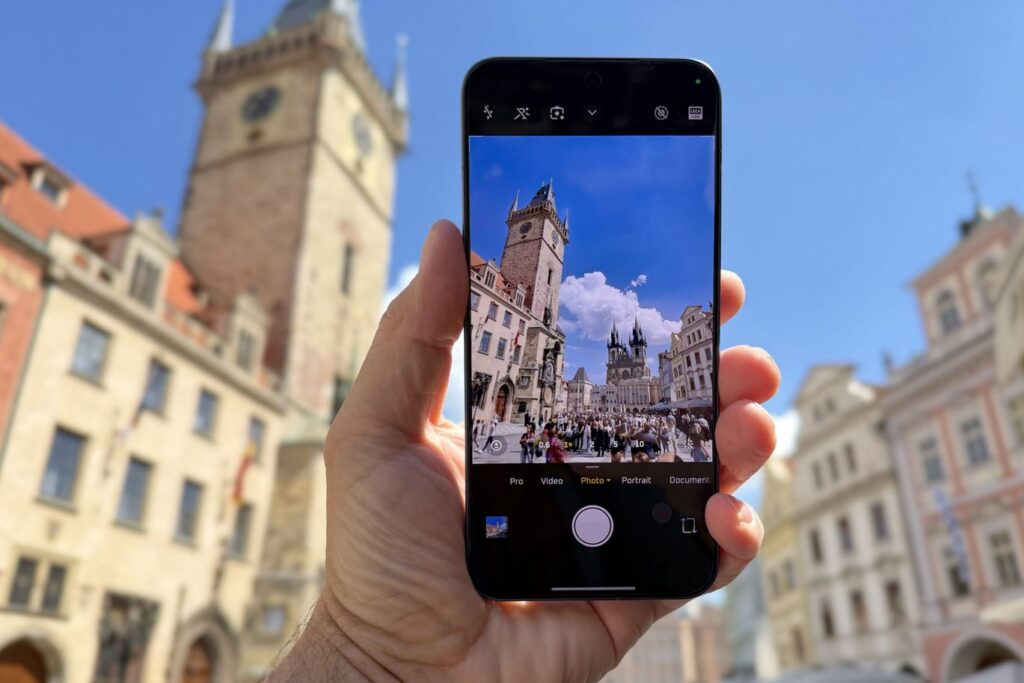
Xiaomi’s camera offers more capabilities
Where Samsung excels is in processing. Colors are accurate, HDR is excellent, and results are consistent from shot to shot — it’s a classic smartphone with a good camera for those who simply point and shoot. Xiaomi offers more flexibility: 4K recording at 120 fps and a 32 MP front camera versus 12 MP on Samsung. If you want to choose a smartphone with a good camera and compare specifically the compact versions, we have a separate piece on that topic.
New Xiaomi or Budget Galaxy — Which Is a Better Deal
Price-wise, Samsung is noticeably more affordable: the 17T Pro just launched and costs more than the Galaxy S26 (68,000 rubles vs. 47,000 rubles). But at the same time, it offers a bigger battery, faster charging, a snappier display, and more storage. This is the most balanced Xiaomi smartphone that offers an abundance of features at a reasonable price. You could wait a bit for the price to drop, but given the news about price increases, I wouldn’t recommend delaying.
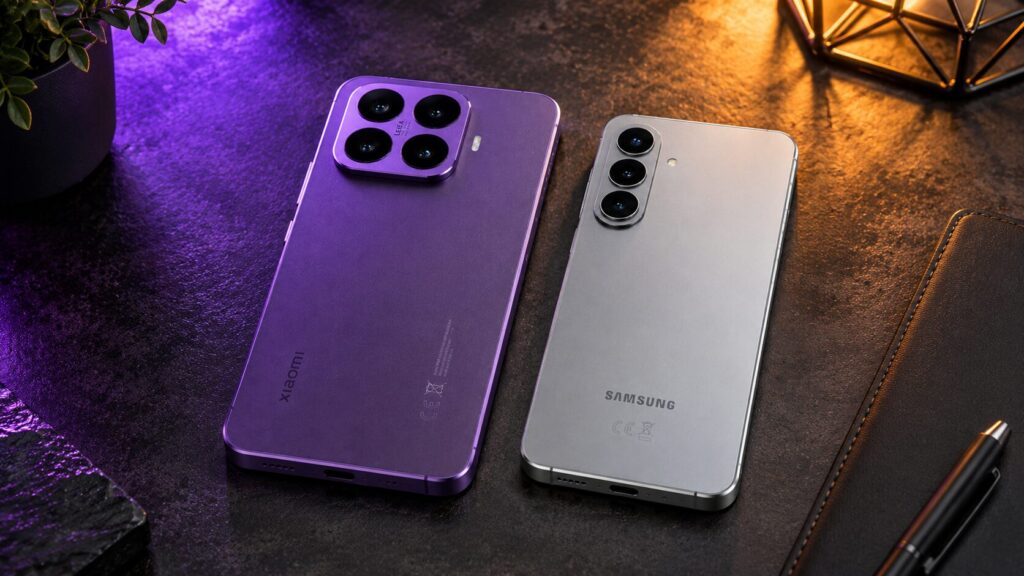
Xiaomi looks more attractive but costs more
Samsung justifies its price differently: a premium brand, a polished OS, DeX mode for computer-like work, and a compact body. If you’re looking years ahead and value the ecosystem, the extra cost makes sense. But if the question is Xiaomi or Samsung — which is better value for the money, then in terms of pure hardware, Xiaomi wins.
By the way, prices are currently fluctuating both ways: the same Galaxy S26 in Russia dropped to 49 thousand and became cheaper than the Galaxy S25, so the timing for a purchase can be very favorable. Below I’ve compiled the key specs into one table to make it easier to compare in detail and buy a smartphone at the best value.
| Specification | Xiaomi 17T Pro | Samsung Galaxy S26 |
|---|---|---|
| Display | 6.83-inch AMOLED, 144 Hz, up to 3500 nits | 6.3-inch LTPO AMOLED, 120 Hz, up to 2600 nits |
| Processor | MediaTek Dimensity 9500 | Snapdragon 8 Elite Gen 5 / Exynos 2600 |
| Memory | Up to 16 GB RAM, up to 1 TB | Up to 12 GB RAM, up to 512 GB |
| Main Camera | 50 MP, Leica, OIS | 50 MP, OIS |
| Zoom | Periscope 50 MP, 5x | Telephoto 10 MP, 3x |
| Front Camera | 32 MP | 12 MP with autofocus |
| Battery | 7000 mAh | 4300 mAh |
| Charging | 100W wired, 50W wireless | 25W wired, 15W wireless |
| OS | HyperOS 3, Android 16 | One UI 8.5, 7 years of updates |
| Special Features | Dolby Vision, USB-C 2.0 | Samsung DeX |
My verdict is simple. If you’re choosing a smartphone based on price-to-features ratio and getting a phone for a couple of years, Xiaomi 17T Pro is the way to go — it’s superior. I’d get it myself because I value hardware. But if you need a compact flagship that will stay relevant even five years from now — Samsung Galaxy S26 is the most mainstream choice. Overall, both are great; the only question is what matters more to you.