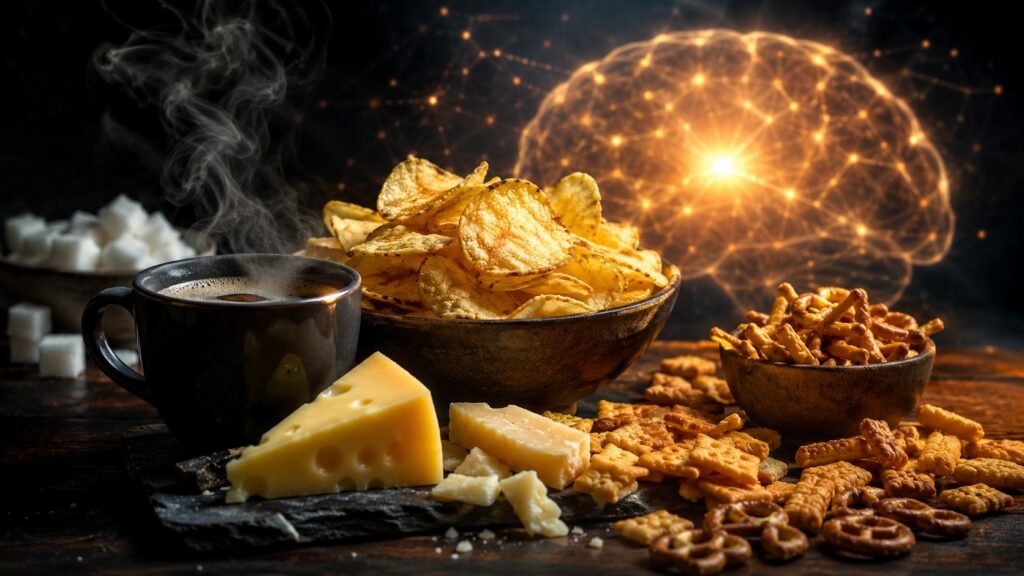
Coffee and chips can cause stronger addiction than sugar
When people talk about food that’s hard to give up, they usually mean sweets. But the strongest addiction is caused by products with a bright, intense flavor. As well as coffee, which we get used to not only physically but also psychologically. Some products are more addictive than sugar, and children are at particular risk.
Why Coffee Causes Stronger Addiction Than Sweets
According to neurogastroenterologist Andrey Simakov, coffee ranks first in terms of addiction strength. And it’s not just about caffeine that gives you energy.
Caffeine truly affects the brain: it blocks adenosine receptors — a substance responsible for the feeling of fatigue. Because of this, after a cup of coffee we feel a surge of energy. But if you drink coffee regularly, the brain gets used to this effect. When caffeine isn’t supplied, withdrawal syndrome appears: headaches, fatigue, irritability, and difficulty concentrating.
But coffee addiction is more psychological than physical. Coffee becomes embedded in daily rituals: the morning starts with a cup, a work break without coffee feels incomplete, meeting friends is also associated with this drink. A stable connection forms: without coffee it’s hard to focus, wake up, or start the day. That’s why many people find giving up coffee harder than giving up candy.
If you’re curious about how sweet products affect the brain and form food addiction, the mechanism is largely similar: the brain memorizes the source of pleasure and starts demanding it again.
Addiction to Chips, Sausage, and Cheese
The second group of products that cause strong cravings is food with a very intense flavor. Chips, sausages, some canned goods, cheeses, snacks, sauces, ready-made rolls. They all share one thing: they contain so-called extractive substances and flavor enhancers — additives that make salty-fatty or meaty flavors especially vivid.
What is a bright food stimulus in simple terms? Imagine that regular food is quiet music. You hear it, it’s pleasant, but it doesn’t make you dance. Chips or sausage, on the other hand, are music at full volume with powerful bass. Taste receptors receive such a strong signal that the brain perceives it as a source of powerful pleasure. And it starts wanting a repeat.
Products with flavor enhancers literally provoke a person to eat them again and again. Moreover, people eat such products not because of hunger, but because they strongly stimulate the taste receptors, — explains Simakov.
Here’s the key difference: we eat regular food to feel full and stop when we’re satisfied. But products with intense flavor bypass this mechanism — the feeling of fullness simply doesn’t have time to kick in because the brain continues to receive its reward.
Why Children Get Hooked on Sweet Foods
A child develops a habit for bright taste stimuli faster than an adult because their brain is still actively forming its reward system. Simply put, a child’s brain is especially sensitive to pleasure from food and quickly memorizes which products provide the strongest sensations.
If a child regularly receives chips, hot dogs, salty snacks, or sweet sauces, their taste preferences form around these bright stimuli. Regular homemade food starts to seem bland and tasteless — not because it’s bad, but because the brain is already tuned to a more intense signal.
The Difference Between a Food Habit and Addiction
The doctor also advised against calling such products “drugs.” A food habit and true addiction are not the same thing. Addiction in the medical sense is when a person cannot stop consuming something despite obvious harm to health and experiences physical withdrawal syndrome.
With food, the situation is milder: it’s more often about a strong habit and psychological craving. The danger lies not in any single ingredient but in the regular repetition of a bright food stimulus. A person gets used to seeking exactly that level of flavor and has difficulty getting pleasure from simpler food.
In the case of coffee, it looks like dependence on the effect — it’s hard to function without it. In the case of chips, sausage, and rolls — it’s a constant craving for intense flavor that’s hard to control with the feeling of fullness.
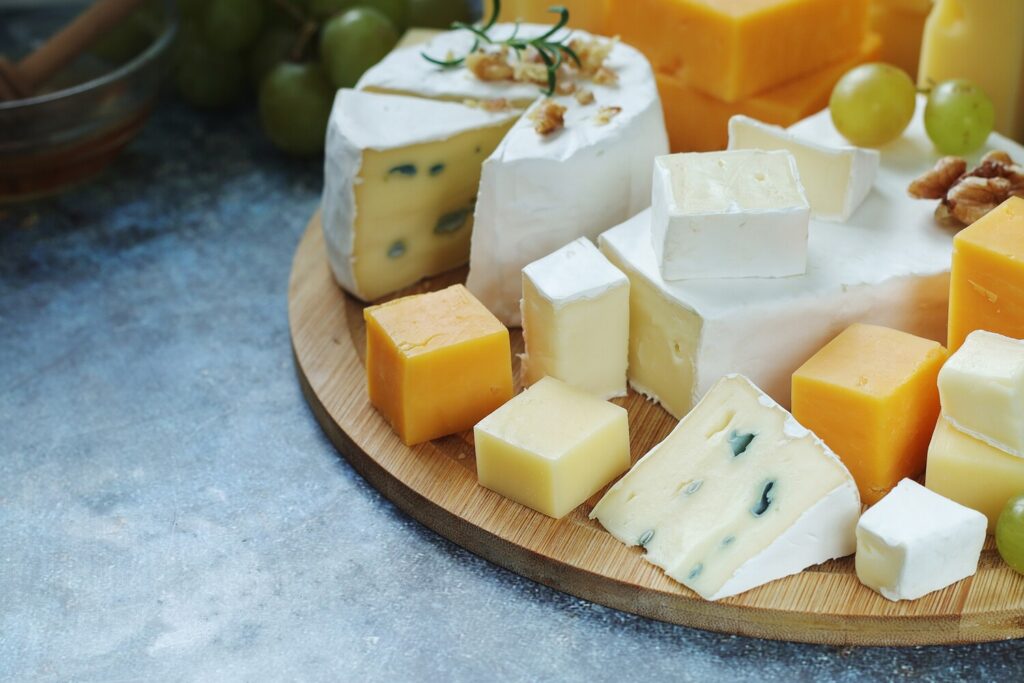
Homemade food with simple flavors helps “recalibrate” taste receptors
How to Reduce Cravings for Coffee and Chips
Although Simakov didn’t give detailed recommendations for breaking food habits, several practical conclusions can be drawn from his explanations:
- It’s better to reduce coffee consumption gradually — abrupt quitting causes withdrawal syndrome with headaches and irritability;
- Pay attention to rituals: if coffee is associated with mornings or breaks, you can replace the drink while keeping the ritual itself;
- The same principle works with trap products: if you gradually reduce their share in your diet, taste receptors will eventually adapt and begin to perceive less intense food as tasty;
- For children, it’s especially important not to form a habit for super-intense flavors from an early age — the later a child is introduced to chips and snacks, the easier it will be for them to enjoy regular food;
The main takeaway from the doctor’s words: food addiction is not about weak willpower. It’s about how our brain works when it regularly receives a very bright stimulus. Understanding this mechanism is the first step toward consciously choosing what and how often to “reward” yourself with. You don’t have to completely give up coffee or your favorite snacks, but it’s useful to notice when a habit starts controlling you rather than the other way around.