After Android 17 was officially unveiled a couple of weeks ago with a host of interesting features, Xiaomi head Lu Weibing announced the release timeline for the new version of HyperOS. The update is expected in July or August 2026. The executive didn’t specify the exact name of the operating system, but numerous leaks and context point to HyperOS 4. If insiders are to be believed, this won’t be a cosmetic update but a serious overhaul of the system at every level.

Xiaomi has announced the next version of its custom skin
When Will HyperOS 4 Be Released and Who Will Get the Update
The timeline was announced during Xiaomi’s earnings report: the CEO outlined the release window for HyperOS 4 — July-August 2026. He also clarified that the new version will deliver “a different interactive experience,” meaning it’s about something more than the usual redesign. It’s important to clearly separate fact from rumor here. The fact is that Lu Weibing publicly named the release timeline for the new OS version. Everything else (feature list, Liquid Glass-style design, ditching MIUI code) remains leaks and insider information not officially confirmed by Xiaomi.
The update is expected to arrive first on flagship models, including the Xiaomi 17. Then the update will gradually reach other supported Xiaomi, Redmi, and POCO devices. According to specialized sources, the stable global version may appear closer to fall, while for India and several other markets — by November-December. Budget models and older Redmi and POCO devices may receive the update significantly later — or not at all.
What’s New in HyperOS 4
Everything known about the new features is based on unconfirmed information — insider tips from Weibo and data from well-known insiders like Digital Chat Station and Smart Pikachu. Xiaomi has not officially revealed the full list of HyperOS 4 features. Here’s what appears in the leaks:
- Updated design in Liquid Glass style — transparent surfaces, depth effects, and smoother animations replacing the current HyperOS 3 visual language
- Redesigned multitasking interface and launcher
- Color palette inspired by the Leica partnership — until now, this collaboration was limited to the camera
- Complete removal of legacy MIUI code — the so-called “zero-legacy” architecture, where no inherited code from MIUI 1 through HyperOS 3 will remain in the system
- Rewriting system apps in the Rust programming language for improved security and stability
- Using Flutter for interface consistency across smartphones, tablets, and other devices
- Integration of AI features at various interface levels and contextual suggestions for everyday tasks
- Improved memory management and background process optimization
It’s worth noting separately that HyperOS 4 will be built on Android 17. Some new features will come from Google. For example, the updated Gemini assistant, which can perform chains of actions independently. But Xiaomi traditionally adapts Android to its own interface, so not all Android 17 features will make it into the final version.

HyperOS 4 will feature cosmetic changes and new functions
The community is cautiously skeptical about the promises. Some users on Weibo remind that the transition from MIUI to the first version of HyperOS was painful: with bugs and instability. Critics point out that across several generations of HyperOS, the deep architectural overhaul that was originally expected never materialized. If this time Xiaomi actually follows through on the plan, HyperOS 4 could become the company’s most important software update in recent years. But if the release is rushed, skepticism will only grow.
HyperOS 4 Interface and Features
If Xiaomi truly gets rid of the old MIUI code and rewrites system apps using modern technologies, users could see tangible improvements. According to insiders, the most noticeable speed improvements will come to budget and mid-range devices — those are the ones most affected by years of accumulated legacy code. In theory, long-standing complaints from Xiaomi owners should disappear: animation stuttering, slow gesture response, and excessive memory consumption by background processes. But for now, these are only predictions — the final result will depend on optimization quality.
The expansion of HyperConnect ecosystem capabilities also deserves attention. If Xiaomi perfects a unified interface through Flutter, it will simplify interaction between smartphones, tablets, watches, and TVs. Thus, the transition to HyperOS 4 will be very beneficial for those living within the brand’s ecosystem.
Who Should Install the Xiaomi Update
If you have a Xiaomi flagship from the last two years (series 15, 16, or 17), the update will almost certainly arrive among the first. For owners of recent Redmi K and POCO F models, the outlook is also positive, but the timeline could stretch to the end of 2026.
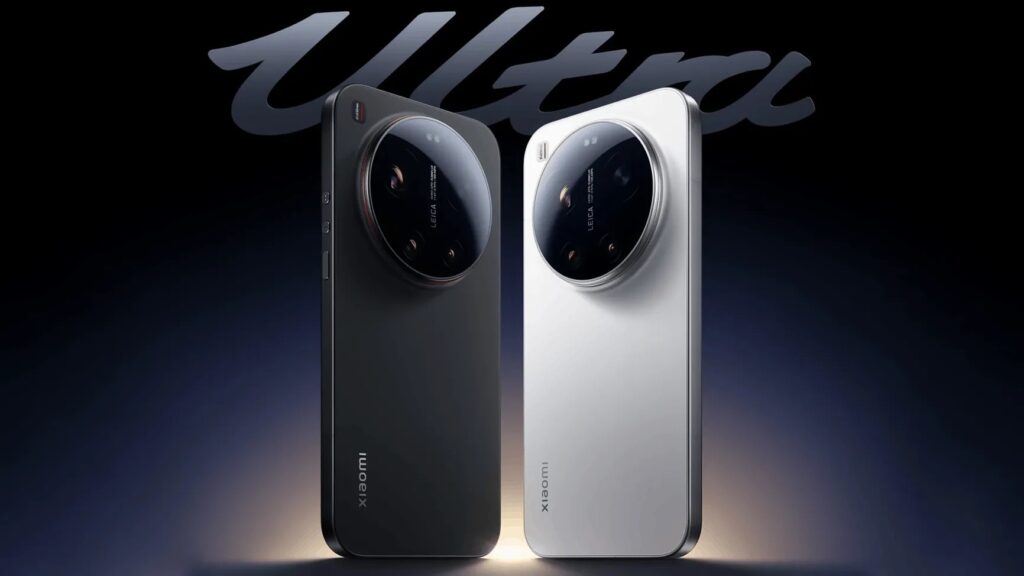
Xiaomi flagships will be the first to receive the update. Image: Xiaomi
However, if you’re using a budget POCO M or Redmi Note from 2024 or older, the chances of getting HyperOS 4 are significantly lower. Xiaomi promises four years of updates for flagships, two to three years for the mid-range segment, and one to two years for budget models. If your device has already reached the edge of its support window, you shouldn’t count on HyperOS 4. Overall, the Xiaomi CEO’s statement is a good sign. The company is naming specific timelines for the first time rather than giving vague generalities. All that’s left is to wait for the beta version and see whether HyperOS 4 lives up to its ambitious expectations in practice.