According to The Information, Apple is going to use the WWDC 2026 developer conference to reimagine its approach to artificial intelligence and make on-device processing its main trump card, rather than relying on the cloud. The bet is on 15 years of its own chips — Apple wants to show that its hardware can get by without the massive data centers that competitors rely on.
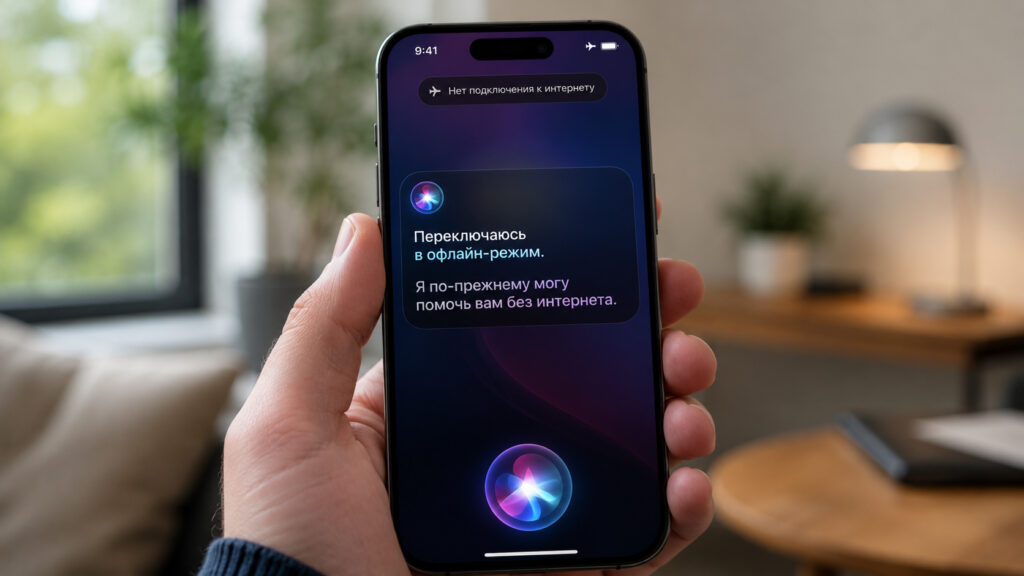
Siri will finally stop requiring network access for simple tasks
What AI Features Apple Is Preparing for iPhone and Mac
Sources at The Information claim that Apple intends to present local AI request processing as a competitive advantage: chips in the iPhone, Apple Watch, and Mac should handle most tasks on their own, without sending data to a server. The cloud will only remain for complex queries that can’t be handled locally yet.
This is a direct response to criticism: Apple Intelligence was first shown at WWDC 2024, but the launch turned out to be lackluster — the first features were met with a cold reception, and the updated personal Siri had to be postponed. Now the company is trying to rewrite that story.
There is hope that using Apple Intelligence will actually become enjoyable
The most unexpected part of the report is Google’s role. According to sources, as part of an agreement with Google, Apple plans to take a large version of the Gemini model and use it to train a smaller, “compressed” version that can run locally on Apple hardware. Simply put, the large model acts as a teacher for the smaller one — the one that will fit into an iPhone or Mac.
In parallel, Apple is looking at acquiring companies that know how to shrink AI models without significant quality loss. The Massachusetts-based startup Liquid AI, which specializes in running AI locally, is mentioned as a possible target.
What Is Private Cloud Compute and Why Apple Needs It
Here Apple is stepping back from its own promises. Originally, Apple Intelligence was built on the premise that all cloud requests would be processed exclusively on Private Cloud Compute infrastructure — on servers with Apple chips. Now, according to The Information, the company has approved the use of Nvidia’s confidential computing technology within Google Cloud for processing requests to the large Gemini-based model.
The technology encrypts data and the model during computation: slightly slower, but more secure. Sources say that Apple will most likely keep the Private Cloud Compute brand — despite the fact that under the hood there are now someone else’s servers and someone else’s model.
iPhone AI Features That Won’t Work Without Internet
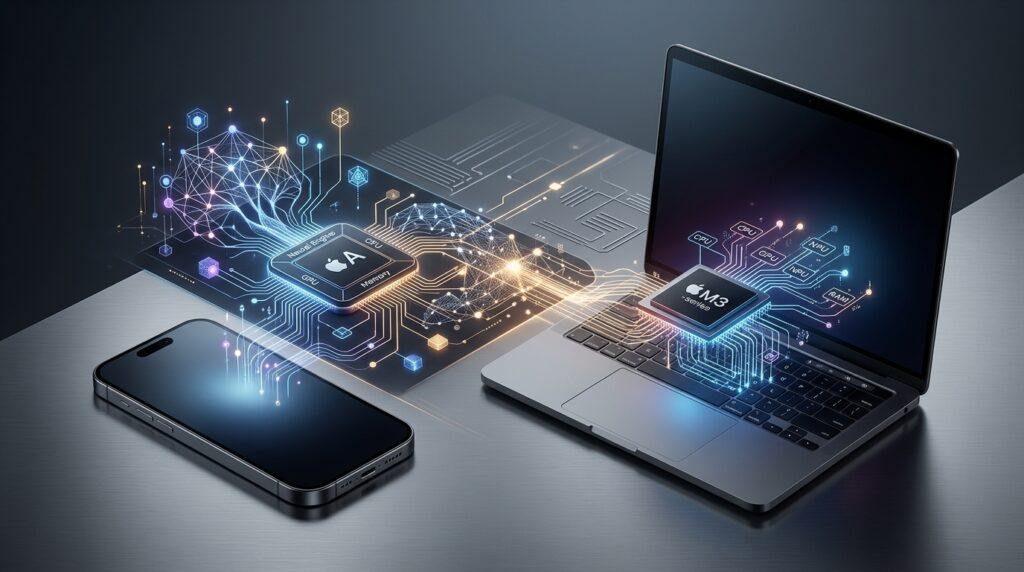
Some requests stay on the device, some go to the cloud — now not only to Apple’s cloud
The limitations of local AI are objective. The full version of Google’s Gemini is a model with trillions of parameters (essentially, internal “settings” that determine the complexity of tasks the AI can solve). The Information writes that Apple struggles to run it even on Private Cloud Compute, which uses the same Apple silicon chips found in Macs. On an iPhone, it certainly won’t fit — so the cloud isn’t going anywhere.
In practice, this means the following:
- Simple requests (short texts, basic suggestions, local search) will be processed on the device itself — faster and more privately
- Complex scenarios (large documents, detailed reasoning, generating long responses) will still require internet and cloud access
- Some of those requests will now go not only to Apple’s servers but also to Google Cloud — albeit in encrypted form
Why Not All iPhones Will Get the New AI Features
For the average user, the main signal is that Apple acknowledges it can’t win the AI race alone and is making compromises. This isn’t necessarily bad: the partnership with Google and the acquisition of specialized startups could accelerate the arrival of features that have been delayed for over a year, including that much-anticipated personal Siri.
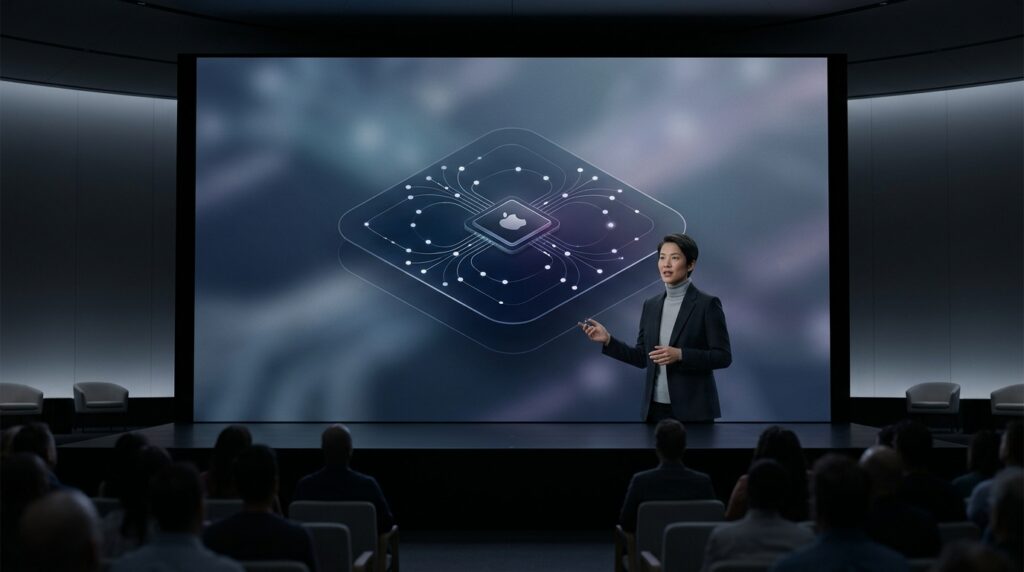
Offline AI will be able to work thanks to powerful Apple chips
In everyday use, the benefits of betting on local AI look like this:
- Less dependence on internet quality — some features will work offline
- Higher privacy for simple tasks — data doesn’t leave the device
- Higher demands on newer chips — older iPhones and Macs will likely be left out again
The last point is the main catch. The bigger the bet on local processing, the stricter the hardware requirements. Owners of devices older than two or three years should prepare for the fact that some new features will pass them by.