Cameras, screens, and batteries in modern flagships have reached a consistently high level, and it is hard for any single phone to stand out on those headline specs alone. Yet smartphone prices have risen noticeably in 2026, which makes it reasonable to demand more from a purchase. The specs that truly shape daily experience are often the ones glossed over in launch presentations: build quality, water-resistance nuances, speaker output, haptic motors, and small extras like IR blasters. Here is a closer look at each of these underappreciated characteristics and why they deserve attention before your next upgrade.
What you need to know
- Build materials matter more than they seem: titanium frames are stronger but can heat up more under sustained load, while aluminum generally dissipates heat better.
- Foldable phones lag behind slabs on dust/water protection — for example, the Samsung Galaxy Z Fold 8 Ultra carries an IP48 rating versus the Pixel 10 Pro Fold’s full IP68.
- Haptic motor quality affects every interaction from typing to notifications, yet is rarely highlighted in spec sheets.
- Small extras such as IR blasters, stylus support, and microphone quality can meaningfully improve everyday comfort.
The truly important smartphone specs are often the ones you overlook
Build quality matters most without a case
Most flagships today share a similar formula — glass front and back, metal frame — but the details diverge. The rear panel finish (glossy versus matte), its tendency to collect fingerprints, and how slippery it feels in hand all affect how confidently you can use a phone without a case. The same applies to the frame: polished metal feels distinctly different from a matte finish.
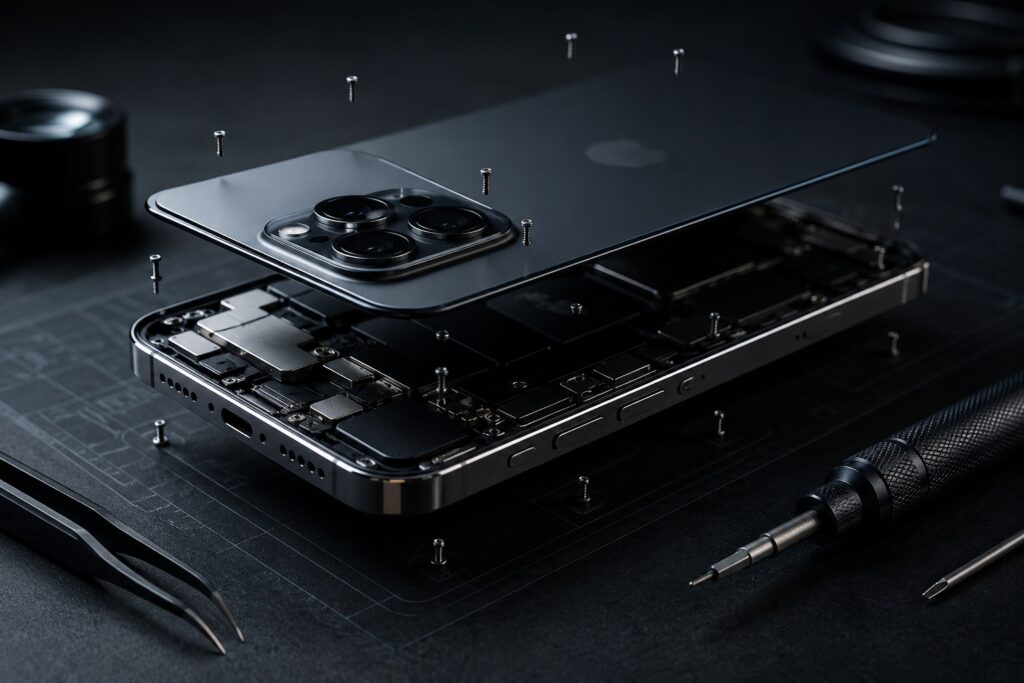
Build quality makes a real difference in daily use
Frame material is another consideration. Some manufacturers have moved to titanium, while others stick with aluminum. Titanium is stronger but tends to heat up more during prolonged gaming or heavy workloads, whereas aluminum generally dissipates heat more effectively. The source author reports preferring a well-finished aluminum body over a titanium one that becomes uncomfortably hot under sustained load.

Water and dust protection: foldables still lag behind
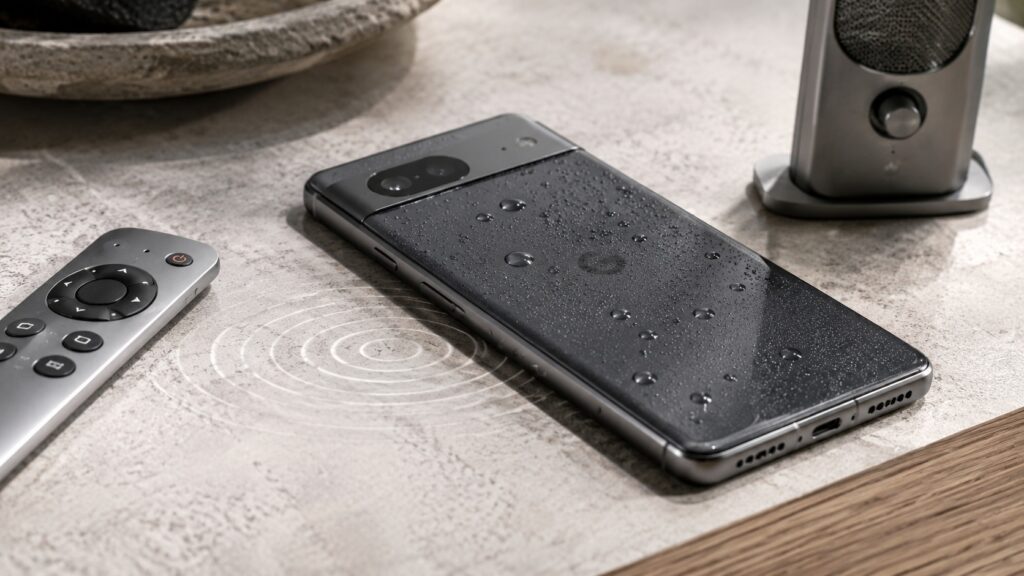
Standard flagship slabs have largely solved the durability question, with many now carrying IP68 or even IP69 ratings (the OnePlus 15 is cited as an IP69 example). Foldable phones, however, require closer scrutiny.
A telling gap exists: the Samsung Galaxy Z Fold 8 Ultra has an IP48 rating, meaning limited dust protection, while the Pixel 10 Pro Fold achieves a full IP68 rating for both dust and water resistance. This is an easy line to overlook on a spec sheet, but it can matter significantly over the lifetime of a device.
Built-in speakers are more important than you think
Speaker quality is rarely a talking point at product launches, yet it is one of the most common complaints after a few weeks of ownership. Headphones are not always at hand — many people listen to videos or music through the phone’s speakers while cooking, getting ready, or moving around the house.
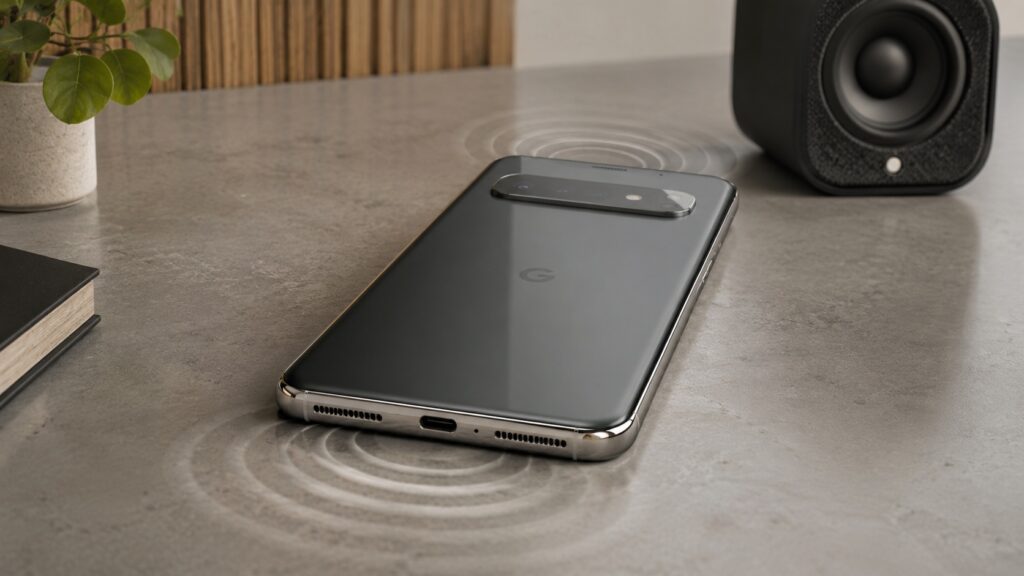
Speaker quality also shapes the overall smartphone experience

The source also references a colleague’s experience with the vivo X300, where speaker quality was singled out as one of the flagship’s notable shortcomings despite its otherwise strong spec sheet.
Haptic motor: why cheap vibration undermines a flagship
This point may not resonate with everyone, but a good haptic motor genuinely changes how a phone feels. Few people keep their phone at full volume — most rely on vibration for calls, notifications, and messages. Haptic feedback is also felt while typing and interacting with the UI; Android’s tactile feedback has become considerably more prominent in recent years.
It is worth trying a phone in person before buying: type a few sentences, scroll through menus, and evaluate the haptic response. High-quality tactile feedback makes a phone feel noticeably more premium, while a cheap, buzzy motor can spoil the impression of even an expensive device.
Small bonuses: IR blaster, stylus support, and microphone quality
Some features rarely make headlines but save time every day. Several extras commonly found on certain flagships — particularly Chinese ones — are worth noting:
- IR blaster. It may sound trivial, but it lets you control a TV, air conditioner, or other appliances directly from the phone without hunting for a remote.
- Stylus support. Particularly relevant for foldable phones, where a stylus can transform how useful the large inner screen becomes.
- Microphone quality. Critical for anyone who frequently uses video or voice calls.
Individually, none of these extras is a deal-breaker, but together they can meaningfully improve everyday comfort — and they are worth checking before committing to a purchase.