Starting May 27, Russia has banned the parallel import of computers and components from two dozen global manufacturers — among them Acer, ASUS, HP, Samsung, Intel, and Kingston. The Ministry of Industry and Trade assures that this won’t affect product availability, but for buyers it means a noticeable narrowing of legal supply channels.
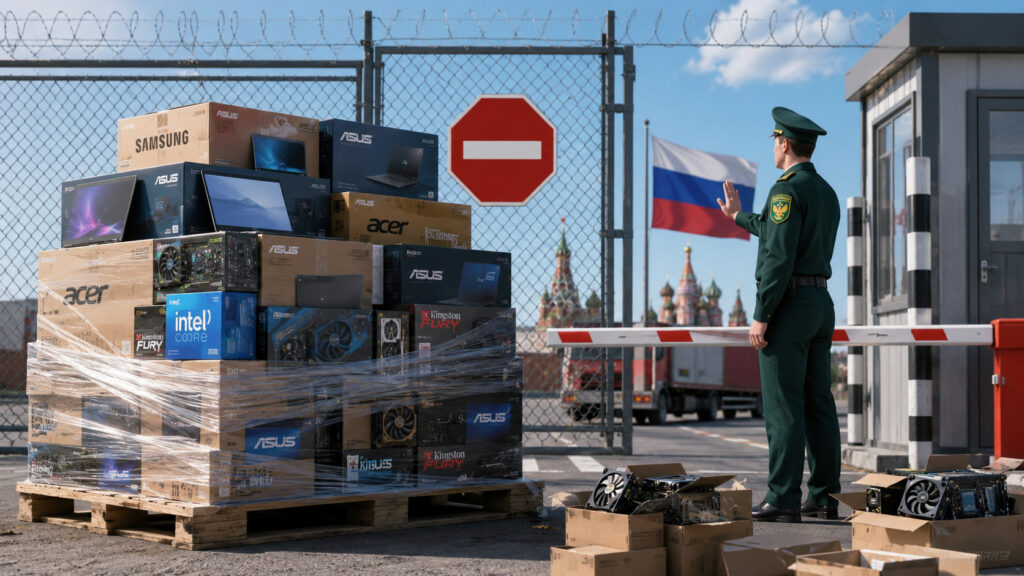
Parallel import of a huge amount of electronics to Russia is now banned
Which Brands Were Removed from the Parallel Import List
Parallel import is the import of goods into a country without the rights holder’s permission, essentially a workaround supply channel. It was precisely thanks to this mechanism that after 2022, laptops and components from brands that had officially left the Russian market continued to reach the country.
Now this channel is closed for these brands. The list includes 20 companies: Acer, Adata, AIC, Apacer, ASUS, Cisco, Fujitsu, HP, Hitachi, HPE, Hynix, IBM, Inspur, Intel, Kingston, Samsung, Sandisk, Toshiba, Transcend, and xFusion. This means it’s not just about finished laptops, but also processors, RAM, SSDs, and server equipment.
How the Parallel Import Ban Will Affect Prices
The ministry’s official position is that the changes won’t affect product availability because there are alternatives on the market. By alternatives, they usually mean Chinese brands and Russian assemblies using the same components.
Wanted a quality ASUS laptop? Look for gray market supplies
That sounds reassuring, but there’s a catch. Parallel import kept prices within relatively reasonable bounds thanks to competition among gray market suppliers. When legal imports narrow down to official distributors and “alternatives,” supply becomes less flexible, and prices become less predictable — and most often they start rising, sometimes quite unreasonably. This is especially true for specific models and configurations: there may simply be no universal replacement for an ASUS ROG laptop or an HPE server in a Chinese brand’s catalog.
The decision hits several groups of buyers:
- Those specifically looking for a particular laptop model from Acer, ASUS, HP, or Samsung — retail selection will shrink as remaining stock sells out
- Those building or upgrading a PC with Intel, Kingston, Hynix, Sandisk, Adata, Transcend, or Apacer components — this covers almost the entire memory and SSD market
- Corporate clients and integrators who need servers and networking equipment from Cisco, HPE, IBM, Fujitsu, Hitachi
God forbid you need an Intel processor. Now you’ll have to look on the gray market too
For the average user who just wants “some laptop for work and study,” it won’t be a catastrophe — Chinese brands and local assemblers will fill the gap. But those accustomed to specific models and ecosystems will either have to hunt for remaining stock or come to terms with switching to other brands.
Parallel Import of Apple Products to Russia: What Will Change
Apple hasn’t been hit yet. For how long?
Apple is not on the published list. Parallel import of Apple products to Russia continues to operate under the previous scheme — this is how current iPhones, iPads, and Macs reach the country. However, prices through this import method aren’t always reasonable for end consumers.
Rumors about a possible ban on iPhone imports have surfaced before. For now, these remain rumors: Apple is absent from the new list, and there are no official signals about its inclusion.
Should You Buy an Acer, ASUS, or HP Laptop Right Now
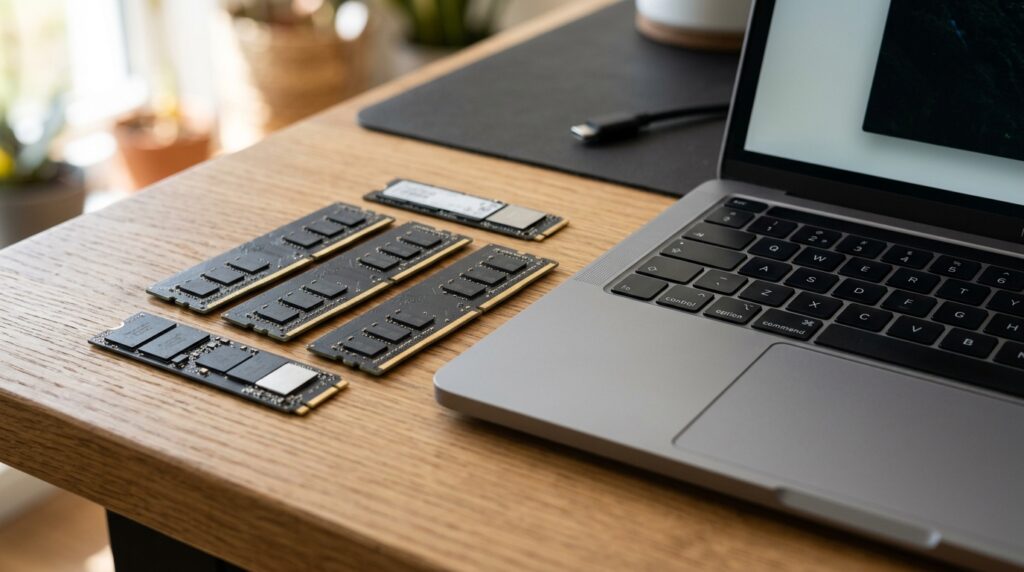
Components are also banned — memory, SSDs, processors
There’s no need to panic, but you shouldn’t delay purchasing a specific model from the list either. Stock imported before May 27 will continue to be sold, and in the coming weeks and months prices are unlikely to change dramatically. However, as remaining stock runs out, the selection will narrow, and prices for popular configurations may rise.
If you were planning to buy an ASUS, Acer, HP, or Samsung laptop in the near future — it makes sense not to postpone. If you’re upgrading your PC and had your eye on a specific Kingston memory stick or Sandisk SSD — the same applies. But rushing to buy up electronics “just in case” is definitely not worth it: alternatives exist on the market, the selection will just become more limited.