Apple has officially warned investors: memory costs will rise significantly in the June quarter and beyond, and this is already affecting the company’s business. The main reason is a global shortage created by AI server manufacturers buying up memory as a priority. Apple had previously managed to solve the problem of rising component costs, but the situation now looks more serious. For buyers, this means a simple and unpleasant risk: Apple products may become more expensive, especially configurations with larger memory capacities.
Memory prices are skyrocketing, and Apple seems to be in trouble
What Apple Said About Rising Memory Costs
During the earnings call, Apple’s CEO directly described the situation: memory costs had already risen in the March quarter, and things will get worse. According to Cook, Apple expects significantly higher memory costs in the June quarter, and after June, memory will have an increasingly greater impact on the company’s business.
Memory in the next iPhone could become much more expensive, forcing price increases
At the same time, Apple is partially absorbing the blow thanks to its own stockpiles that the company had accumulated in advance. But these reserves are running out, and then costs will rise without any buffer.
Why Memory for Smartphones and Laptops Is Getting More Expensive
The reason isn’t Apple or its suppliers specifically. Chip manufacturers are shifting focus to AI servers, where margins are higher and demand is explosive. As a result, less memory is available for consumer devices — smartphones, laptops, tablets — and its price is rising.
This doesn’t only affect Apple. Everyone who builds devices with RAM and built-in memory faces the same situation: from Android smartphone makers to PC builders. It’s just that Apple is a major buyer, and its comments are heard more loudly.
AI server manufacturers are buying up memory, leaving fewer resources for consumer electronics
Could Apple Raise Prices Because of Memory
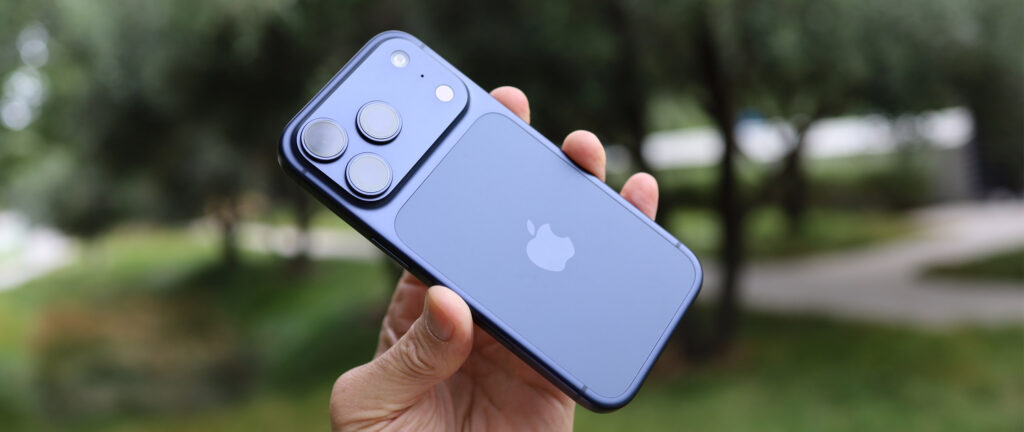
iPhone 17 Pro got more expensive last year, and apparently prices will have to go up again
Cook didn’t announce a specific plan. He only said that the company is considering a range of options and continues to evaluate the situation. The CEO declined to provide further details. In this kind of logic, there are usually only a few options, and all of them affect the buyer to some degree:
- raise prices on devices or specific configurations with larger memory capacities;
- keep prices the same but cut margins — something Apple is extremely reluctant to do;
- reconsider base memory capacities in new models;
- negotiate long-term contracts with memory suppliers.
It’s still unclear which path Apple will choose. But I wouldn’t completely rule out a possible price increase.
How Prices for iPhone, iPad, and Mac Will Change
The main practical takeaway: Apple products are unlikely to get cheaper in the coming months. Memory is one of the key components in iPhone, Mac, iPad, and even Apple Watch, and its price increase sooner or later affects either the price or the base configurations. If you’re planning an upgrade:
- and you’re eyeing a specific Mac or iPad model — it makes sense not to delay the purchase for six months without good reason;
- and you want a configuration with more memory (for example, MacBook Pro with 24 or 36 GB) — these versions are usually the first to get more expensive;
- and you don’t really need to replace your device right now — there’s no reason to rush, and certainly no reason to panic.
An important caveat: Apple has not announced price increases on current models. This is about the company’s own costs, not a new price tag for buyers. But history shows that rising component costs eventually reach the shelf.
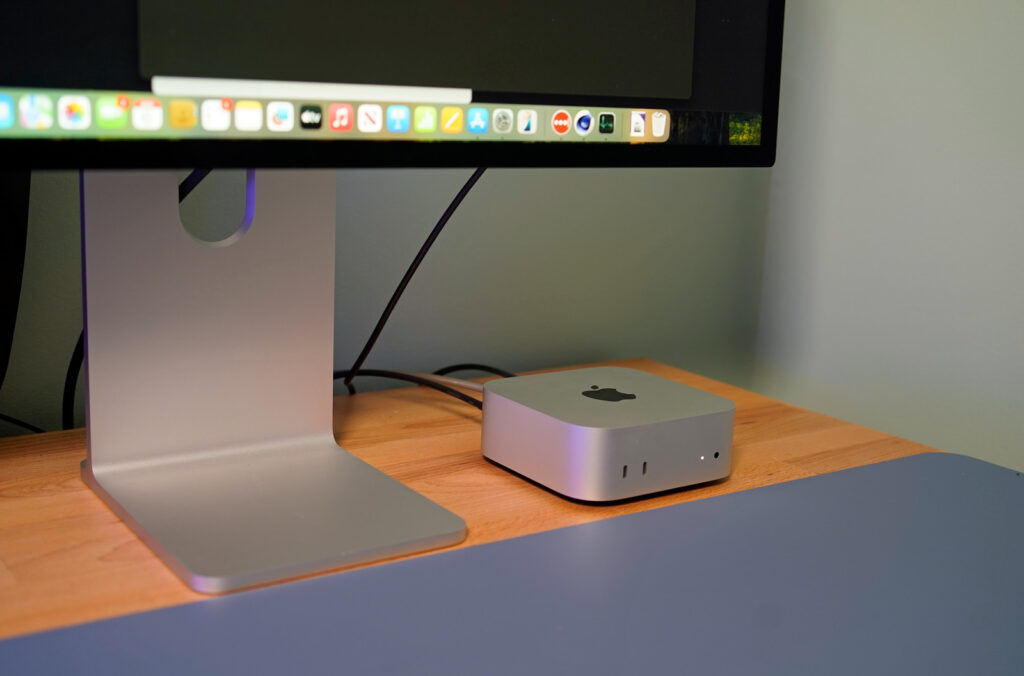
Mac mini and Mac Studio in some configurations are already hard to find, all because of memory
Should you stock up on Apple gadgets right now? The short answer is — it depends on what you’re buying and why. If you’ve been waiting for a reason to upgrade your old Mac or iPad, the current situation is more of an argument in favor of not waiting until the fall announcements: new models may turn out to be more expensive, especially in versions with larger memory capacities.
If, however, you’re talking about a recent iPhone 17 that you just bought, or a Mac that fully meets your needs — this news doesn’t affect your wallet right now. This is a signal for the market and for those who are currently debating “buy or wait.” In that case, the answer leans more toward “buy,” but without fanaticism and only if the device is truly needed.