For the first time in years, Apple is reportedly not launching a standard-tier iPhone this fall. According to rumors, the base iPhone 18 has been pushed to spring 2027, while only the iPhone 18 Pro, iPhone 18 Pro Max, and a foldable iPhone Ultra are expected in September 2026. That means anyone hoping for an affordable new iPhone this autumn may face a choice: buy the current iPhone 17 now or wait roughly six months for its successor — a successor that, according to rumors, may use simplified components and cost more.
What you need to know
- The base iPhone 18 is rumored to launch in spring 2027, not fall 2026 — only Pro and Ultra models are expected this September.
- Analysts at TrendForce suggest Apple may raise iPhone 17 prices alongside the iPhone 18 Pro launch, eliminating the usual discount on the older generation.
- iPhone 18 may use cost-reduced components, including a dimmer display and an A20 chip with fewer GPU cores, according to unconfirmed reports.
- RAM remains uncertain: leaks suggest 9 GB or 12 GB for iPhone 18, but only 12 GB would unlock all rumored Siri AI features in iOS 27.
No base-model iPhone this fall
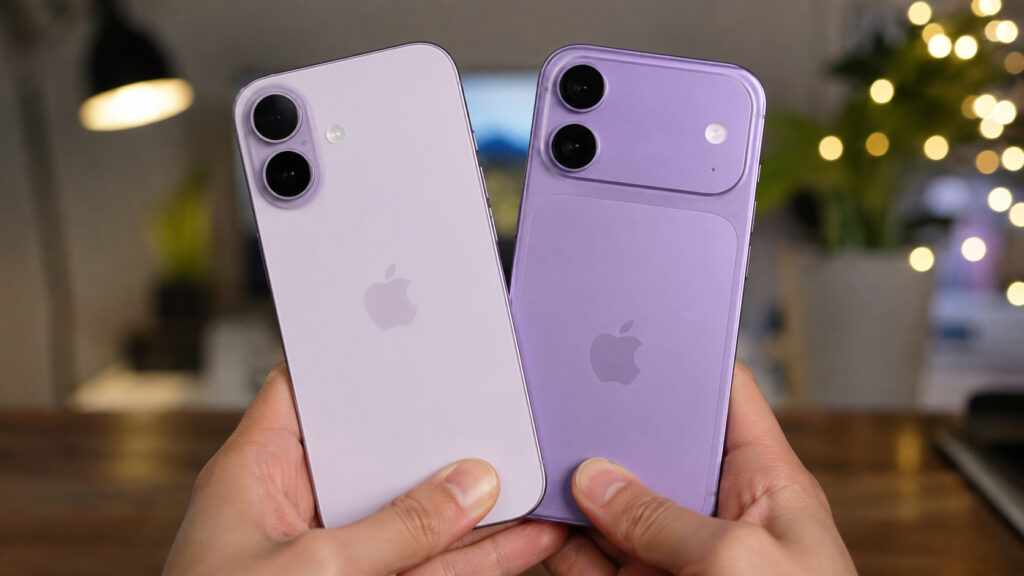
Apple’s launch cadence is reportedly changing. The September 2026 event is expected to feature only the iPhone 18 Pro, iPhone 18 Pro Max, and a foldable iPhone Ultra. The standard iPhone 18 is not expected until spring 2027.
This means there will be no direct replacement for the standard iPhone 17 on sale this autumn. Anyone counting on a new affordable iPhone in September would need to either wait approximately six months or consider the current generation.
iPhone 17 prices may rise, not fall
Normally, the previous generation gets cheaper once a new model launches. This cycle could be different. Apple already raised prices on Mac and iPad lines in June 2026, and iPhones have not yet been adjusted. Forecasts suggest the iPhone 18 Pro and Pro Max could add $100–300 to their price tags, and even the standard iPhone 18 may end up more expensive than its predecessor.
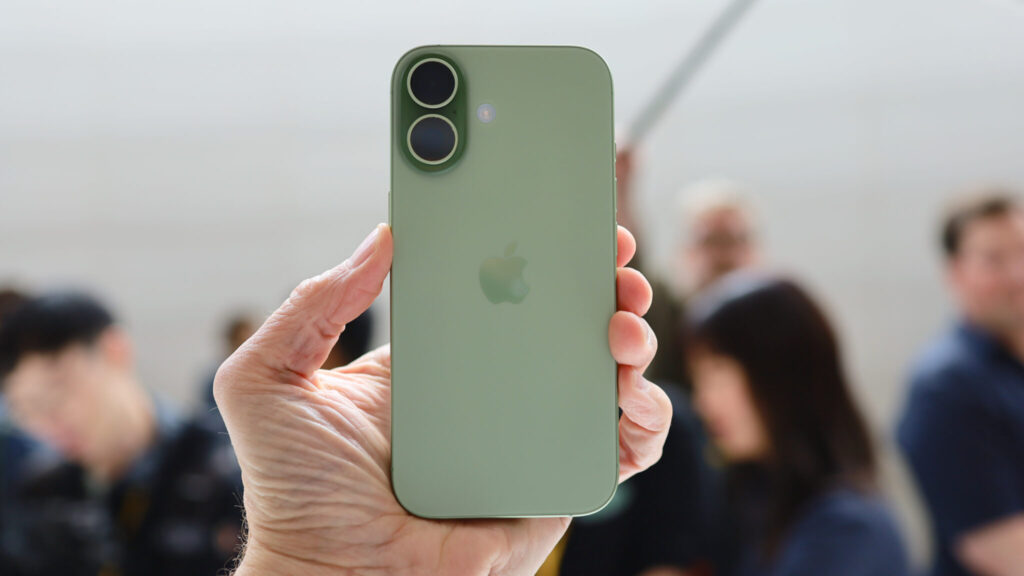
Analysts at TrendForce reportedly believe Apple will raise the iPhone 17’s price simultaneously with the iPhone 18 Pro launch, meaning even the current model could become more expensive rather than less. The iPhone 17 currently starts at $799 in the US. If these forecasts prove accurate, the usual bargain of buying last year’s model after a new launch may not materialize this time. Trade-in values for older iPhones also tend to drop with each new launch, adding further urgency for those considering an upgrade now.
Newer may not mean better for the base model
According to rumors, Apple may cut costs on iPhone 18 components. The display could be less bright and cheaper, and the A20 chip may have fewer GPU cores than the Pro variant. There are also reports that some iPhone 18 parts will be shared with the budget iPhone 18e, narrowing the gap between the two devices.
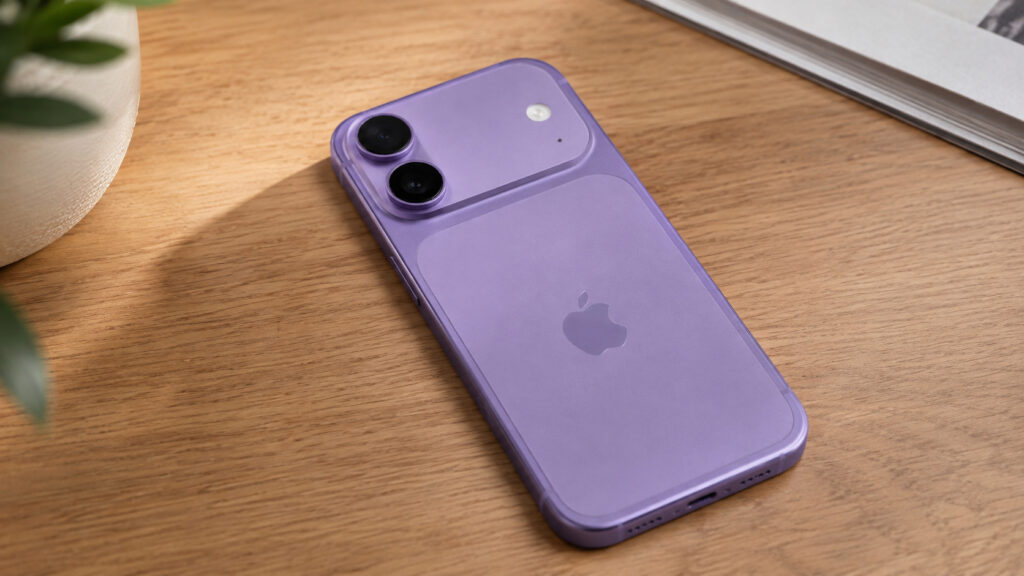
If true, the base iPhone 18 could represent less value than the iPhone 17 and lose some of the features it currently shares with the pricier Pro models. In other words, the standard model risks sliding closer to the budget segment. That said, several improvements are expected based on leaks:
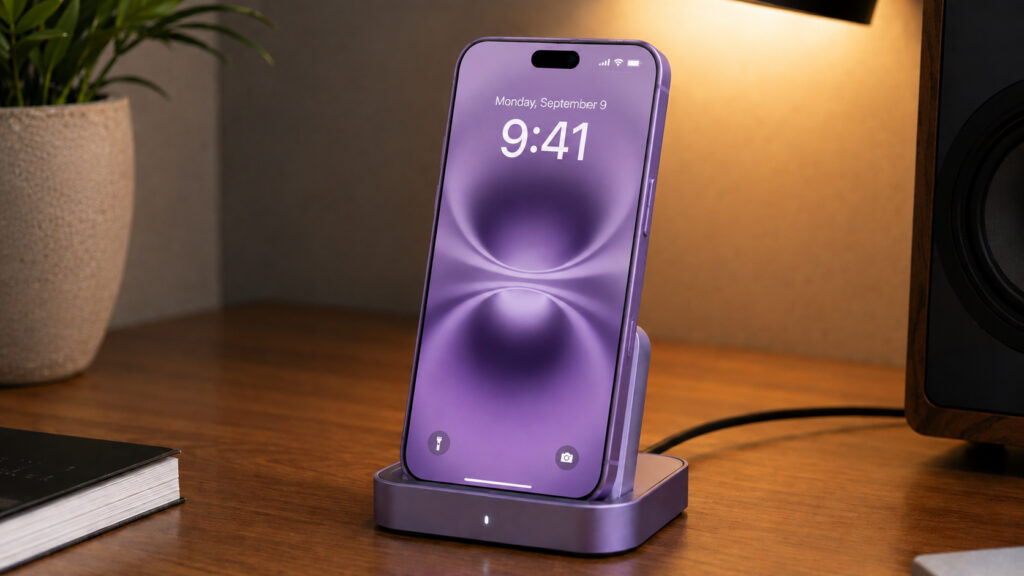
- A20 chip built on a 2 nm process, likely offering improved speed and energy efficiency.
- RAM: iPhone 17 has 8 GB; iPhone 18 is rumored to have either 9 GB or 12 GB. A bump to 9 GB would be modest, while 12 GB would reportedly unlock new Siri features in iOS 27.
- Front camera may increase to 24 megapixels, up from 18 MP.
- Smaller Dynamic Island cutout, matching the Pro models.
- Apple’s own C2 modem for reportedly faster and more stable connectivity.
It is important to stress that all of these specifications are based on leaks and analyst predictions, not confirmed announcements from Apple.
Will iOS 27’s AI features justify the wait?
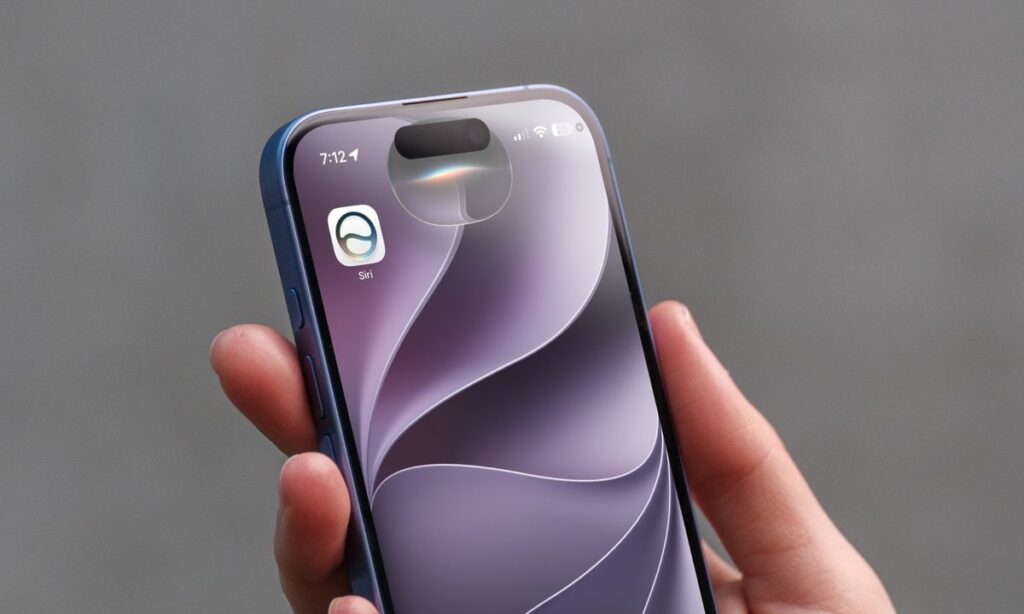
Much of the anticipation around iPhone 18 centers on Siri and new AI capabilities expected in iOS 27. However, the RAM situation creates significant uncertainty. Two leaks point to 12 GB, while analyst Ming-Chi Kuo reportedly says 9 GB.
According to the source, with only 9 GB of RAM, the iPhone 18 would miss out on Siri voice customization and an enhanced voice recorder in iOS 27, both of which reportedly require 12 GB. The iPhone 17 also lacks 12 GB, so waiting for the iPhone 18 specifically for iOS 27 features may not pay off — unless Apple does equip it with 12 GB. As of now, there is no guarantee of that.
What about iPhone 17 Pro vs iPhone 18 Pro?
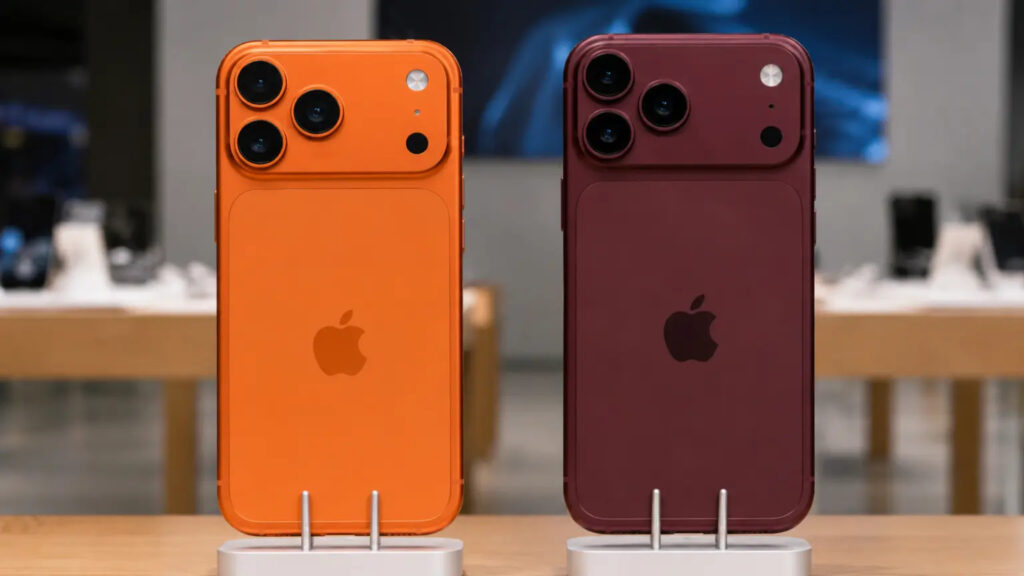
The Pro situation is different. The iPhone 18 Pro and Pro Max are expected in fall 2026, so there is no six-month wait. However, the price increase is forecast to be steepest on Pro models. If a fresh processor, smaller Dynamic Island cutout, and top-tier internals matter to you and your budget allows it, waiting for the announcement may make sense. But if the choice is between an iPhone 17 Pro now and a potentially more expensive iPhone 18 Pro this fall, the source author suggests weighing the rumored price premium of $100–300 against the set of improvements — many of which remain unconfirmed. The source author’s view is that the upgrade from iPhone 17 Pro to iPhone 18 Pro does not appear to justify the added cost based on current rumors.
iPhone 17 remains a strong option
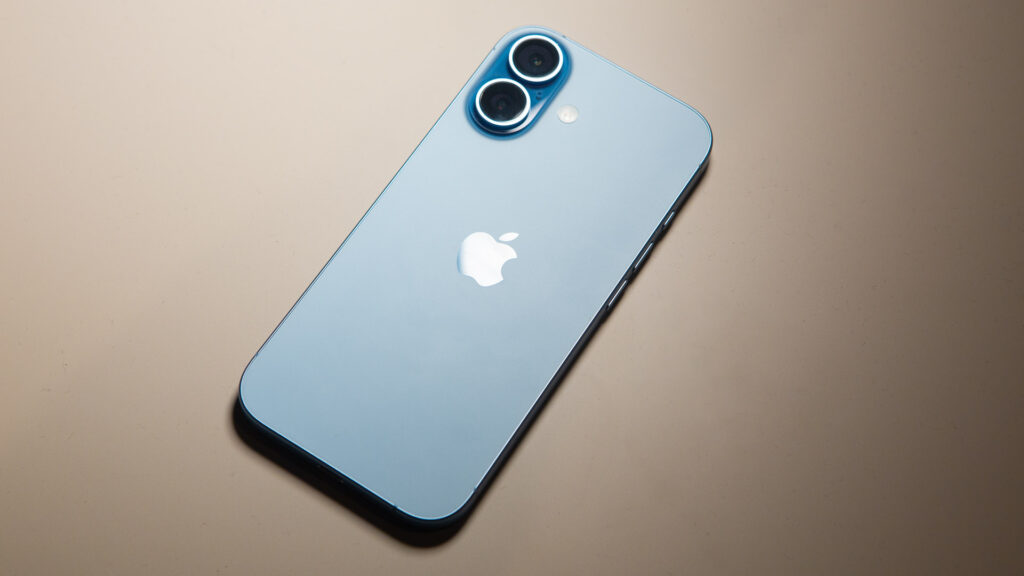
The source author argues that the base iPhone 17 does not look outdated and recommends it for most buyers. It features a 120 Hz ProMotion display with always-on, the same primary and ultra-wide cameras as the Pro, a nearly equivalent chip, and the same screen size as the iPhone 17 Pro. The main things it lacks compared to the Pro are a telephoto lens, slightly less RAM, a less durable body, and a smaller battery.
For anyone upgrading from an older model like the iPhone 13, 14, or 15, the iPhone 17 represents a significant step up. According to the source, the window before the fall announcement may be the best time to buy, before two factors potentially work against buyers: a possible price increase on the iPhone 17 itself, and declining trade-in values for older iPhones. The convergence of those two trends is what makes the current moment unusual compared to typical iPhone upgrade cycles.