A tech writer who switched from an iPhone 16 Plus to the standard iPhone 17 reports that the display upgrade — specifically always-on display (AOD) and 120 Hz ProMotion — was the single biggest reason for the move, and it delivered immediately. After just one day, the author says the transition feels justified: the screen impresses, the smaller body is not the problem they feared, and doubled storage is a welcome relief. Battery life, however, remains an open question.
What you need to know
- The iPhone 17 brings always-on display and 120 Hz to the standard model — features previously reserved for Pro variants.
- The author reports that the jump from 60 Hz to 120 Hz on iOS feels less dramatic than the same jump on Android, because iOS animations are already well-optimized at 60 Hz.
- Base storage doubles from 128 GB (iPhone 16 Plus) to 256 GB on the iPhone 17.
- After one day, battery life showed roughly 5% less remaining charge at the same time of day compared to the iPhone 16 Plus — but the author attributes this to post-restore optimization and heavier-than-usual usage.
The display is the headline upgrade
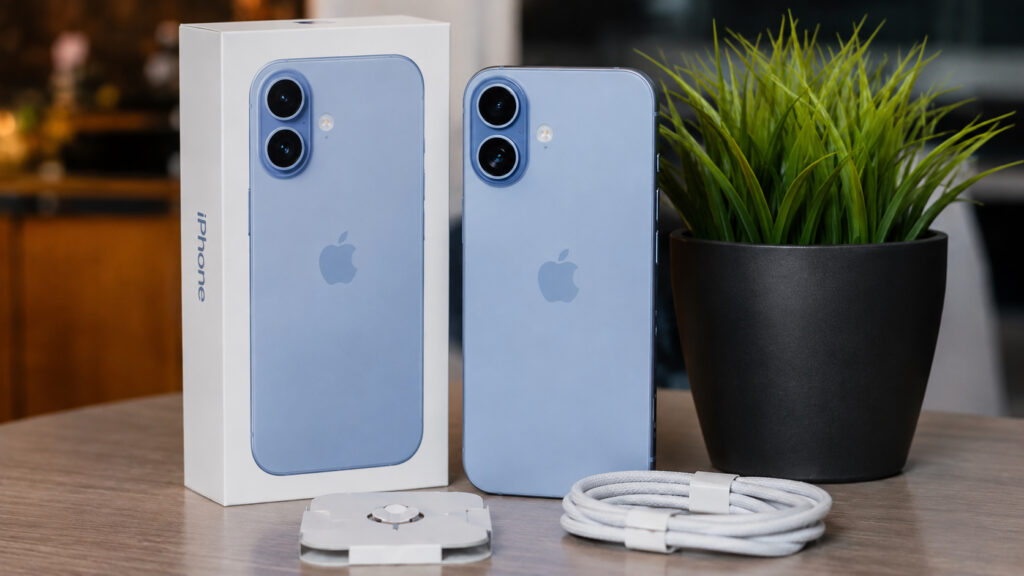
The iPhone 17 will serve as the author’s primary smartphone for the next couple of years
The author reports that the always-on display and 120 Hz refresh rate were immediately noticeable after powering on the iPhone 17. Time, notifications, and widgets are now visible without touching the phone, which the author says saves many small interactions throughout the day.
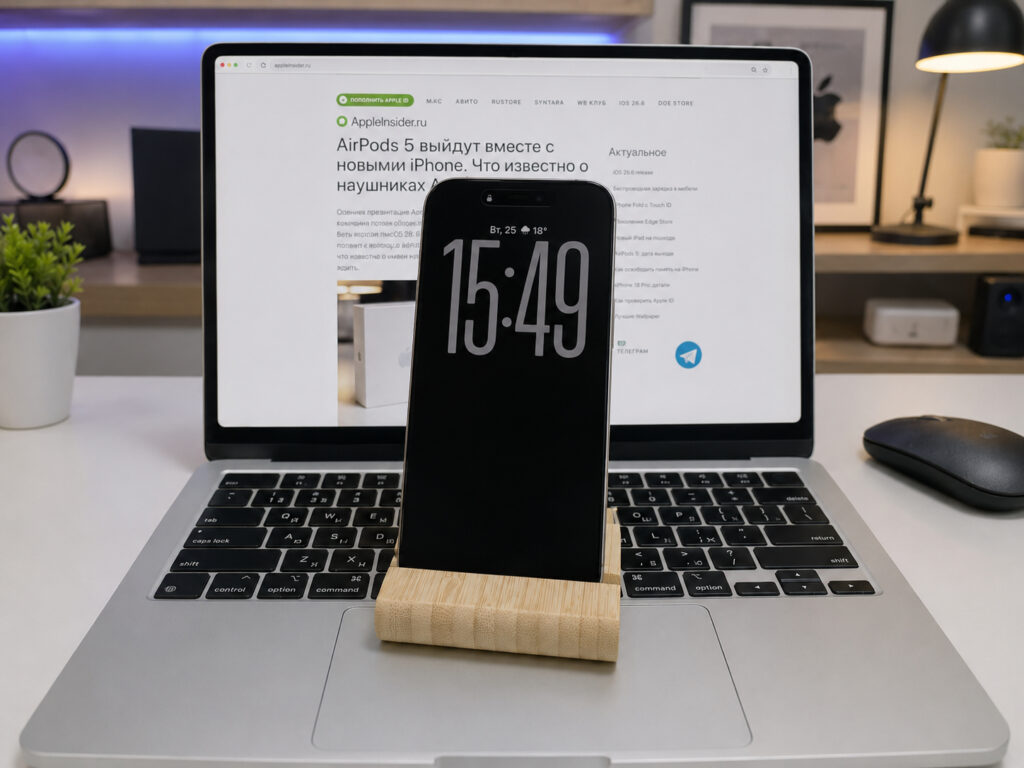
The author missed always-on display more than expected — even though it seemed unnecessary before
However, the author honestly notes that the leap from 60 Hz to 120 Hz felt less dramatic on iOS than a similar transition previously experienced on Android. iOS animations are polished enough at 60 Hz that the higher refresh rate, while pleasant during fast scrolling, does not produce a “wow” moment. The always-on display, by contrast, made a bigger practical impression than the higher refresh rate.
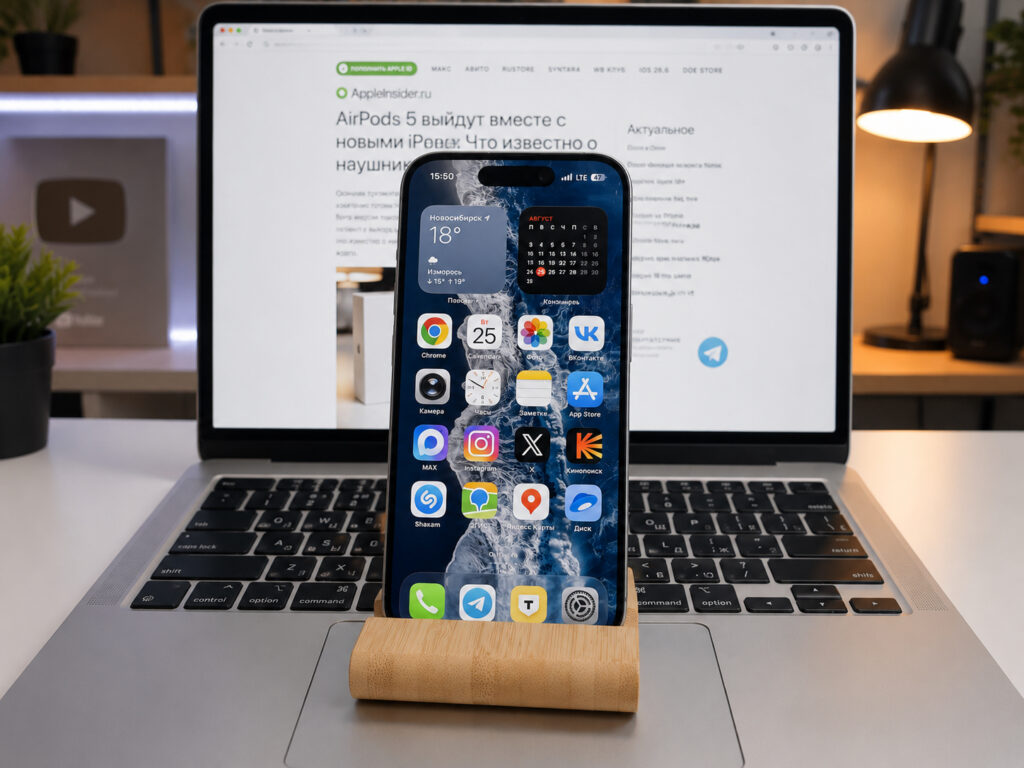
Smooth animations and seemingly brighter colors are noticeable on the new display
Downsizing from Plus was easier than expected
The author had worried that moving from the larger Plus body to the standard iPhone 17 would hurt text input and general usability. In practice, the author reports that typing was comfortable from the first minutes, the screen is large enough for scrolling feeds and watching video, and reaching the top corners one-handed is now easier. Text input did not suffer — the author’s biggest pre-purchase fear turned out to be unfounded. The smaller body also fits more neatly in a pocket.
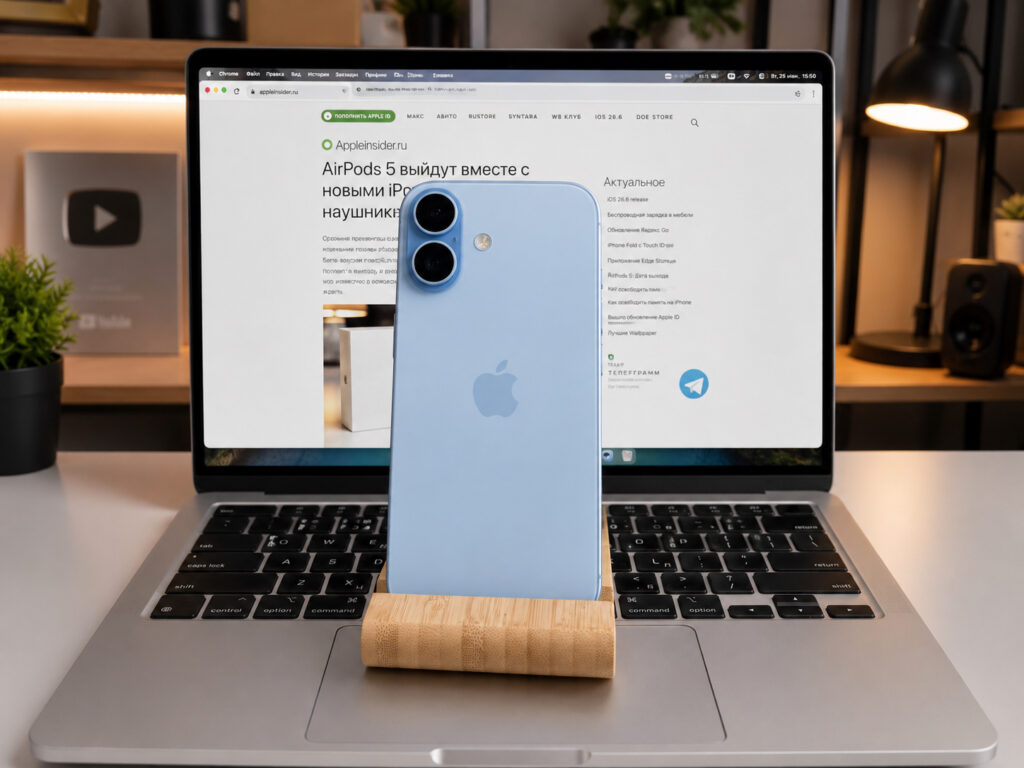
The author expected the phone to feel too small but found the size just right
Camera: no noticeable leap so far
The author reports that the camera on the iPhone 17 feels essentially the same as the iPhone 16 Plus after one day. The 48 MP ultra-wide module has not yet revealed obvious advantages, though the author acknowledges it is too early to draw firm conclusions. Differences may emerge in challenging lighting, zoom, or evening photography over time.
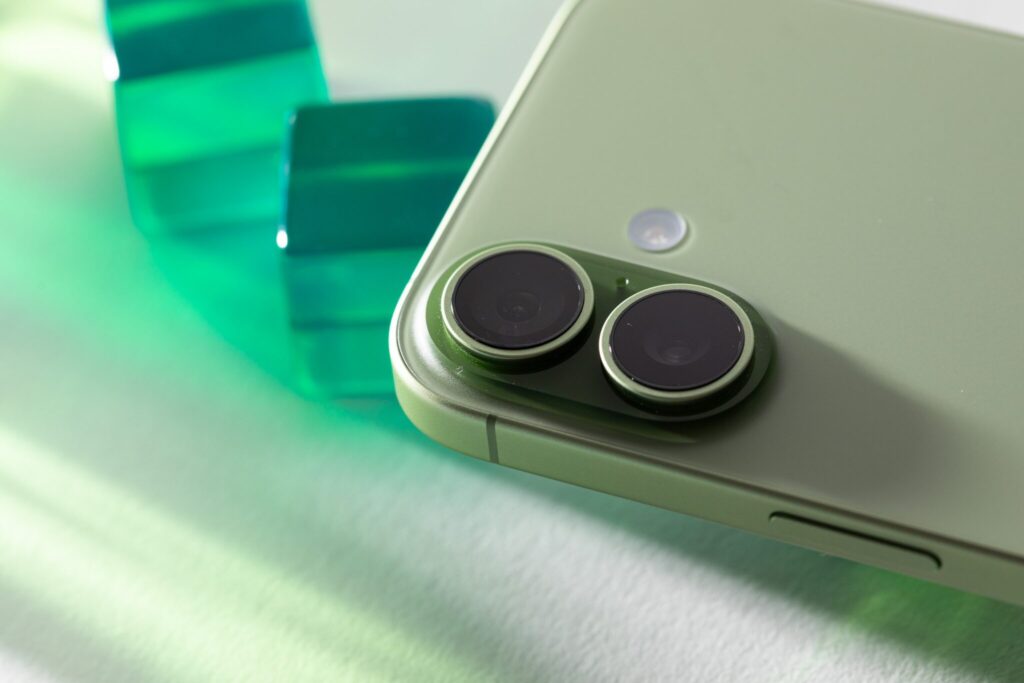
No dramatic jump in camera quality was noticed after one day
Double the storage, but battery life is still uncertain
Going from 128 GB on the iPhone 16 Plus to 256 GB on the iPhone 17 was an immediate quality-of-life improvement, the author reports. Constant storage management — deleting apps and photos to make room — is no longer necessary.
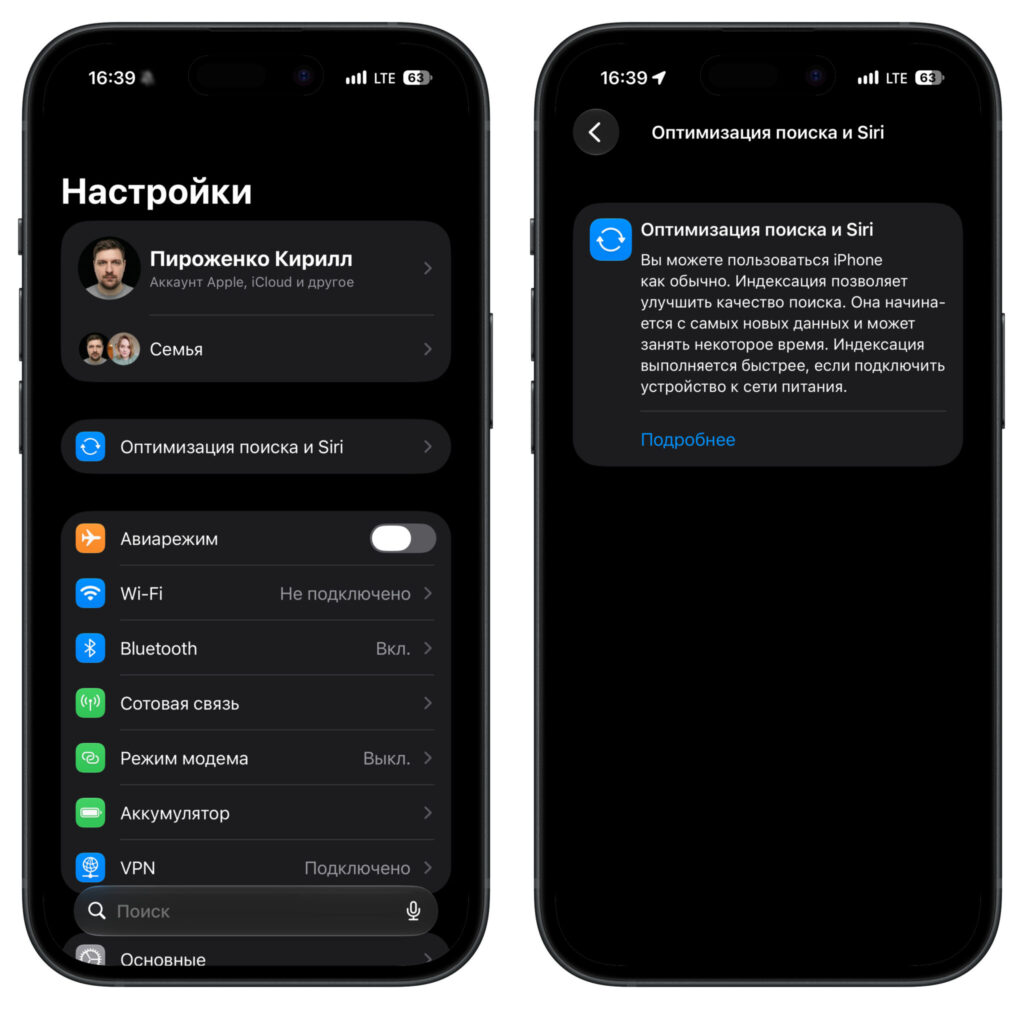
iOS 27 was installed immediately, and the phone is still optimizing
Battery life is the one area where the author has a tentative concern. After one day, the iPhone 17 showed roughly 5% less remaining charge at the same time of day compared to the iPhone 16 Plus. However, the author cautions against drawing conclusions: the phone had just been restored from backup, was updated to iOS 27, and was still running background optimization. Heavier-than-normal usage — including setting up screen mirroring and the newly enabled AOD with 120 Hz — likely contributed to the higher drain. The author plans to revisit battery performance after several days of normal use.
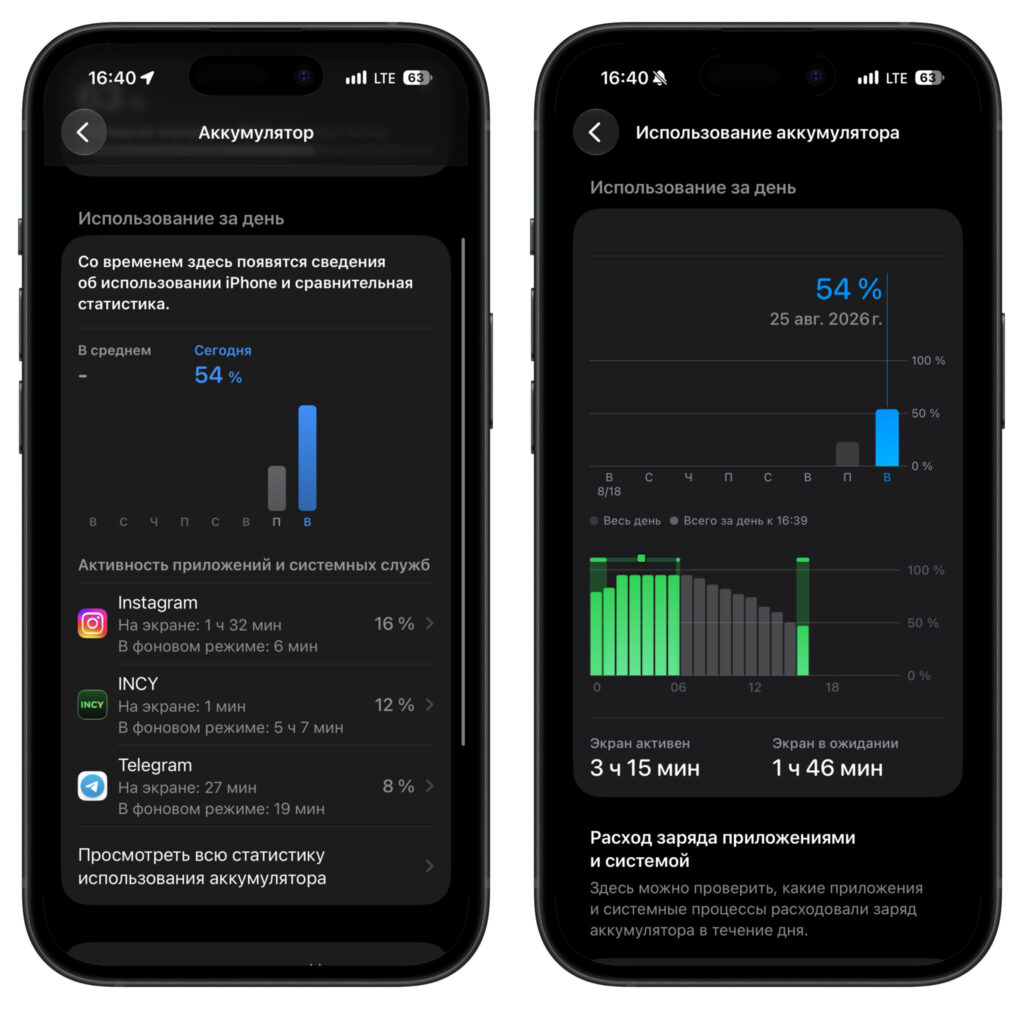
At the same point in the day, the iPhone 16 Plus showed about 5% more charge remaining
Early verdict: promising, but incomplete
After just one day, the author considers the switch from iPhone 16 Plus to iPhone 17 justified. The display — especially always-on functionality — is the standout gain. The smaller form factor proved comfortable rather than limiting, and doubled storage eliminated a persistent annoyance. The camera appears unchanged so far, and battery life needs more time before any reliable assessment can be made. The author plans to follow up with longer-term findings once the phone has fully settled in.