Apple split the iPhone 17 lineup so that no single color appears across more than one model. That means your color preference may effectively choose your model for you. According to the source author’s analysis, the most practical takeaway across all three lines is the same: lighter shades — silver for the Pro, white for the iPhone 17 and iPhone Air — hide scratches, chips, and wear far better than their darker or more vibrant counterparts.
What you need to know
- iPhone 17 Pro comes in three colors (silver, dark blue, cosmic orange); iPhone 17 offers five (lavender, sage, misty blue, white, black); iPhone Air has four (sky blue, light gold, cloud white, cosmic black).
- Apple switched the Pro models from titanium to aluminum this generation, making colored finishes more susceptible to visible chips and wear — light aluminum shows through under the anodized coating.
- The iPhone Air retains a titanium frame, which the source author notes is more scratch-resistant and structurally rigid than the aluminum used on the Pro.
- Early user reports and in-store display units have shown visible scratches and fading on colored Pro models within days or weeks of use.
iPhone 17 Pro: Three colors, and why silver stands out
The iPhone 17 Pro and iPhone 17 Pro Max share an identical palette of three options: silver, dark blue, and cosmic orange. Model size no longer restricts color choice, so the Pro Max is available in all three shades.
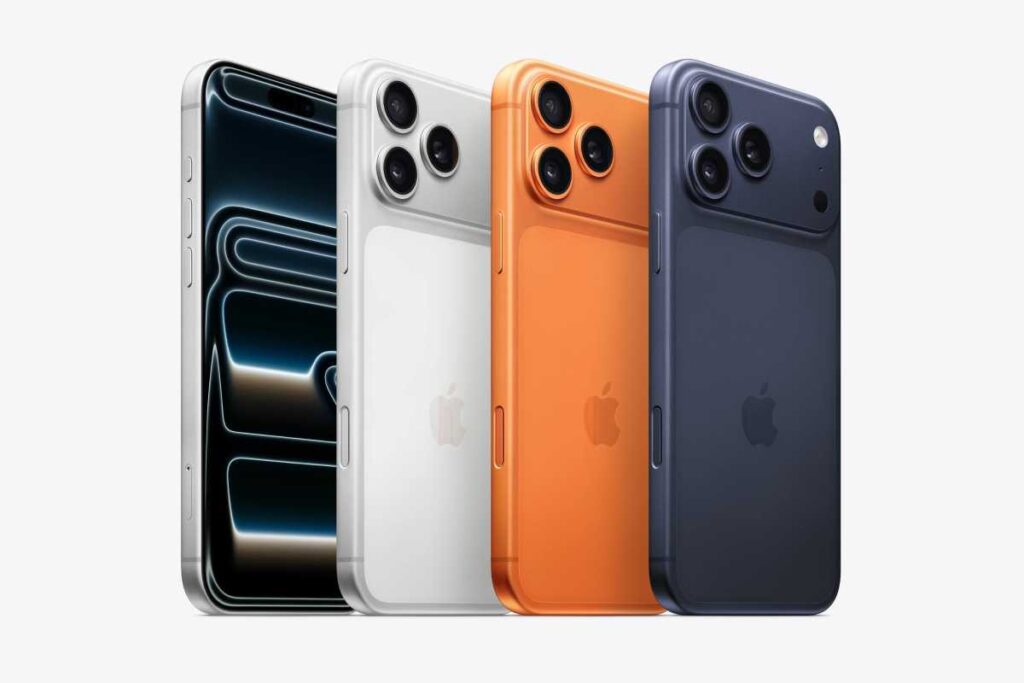
All iPhone 17 Pro colors. Orange is stylish but very impractical
Cosmic orange is the boldest option and the one Apple has featured most prominently in advertising. Dark blue looks more restrained and premium. Silver is the understated classic.
This generation, Apple moved the Pro line from titanium to aluminum. The source author notes that the softer metal sits beneath a colored anodized layer, and when that layer chips or scuffs, the light aluminum underneath shows through. On dark blue and cosmic orange, these marks are immediately conspicuous. On silver, the base metal and the coating are essentially the same shade, making wear nearly invisible.
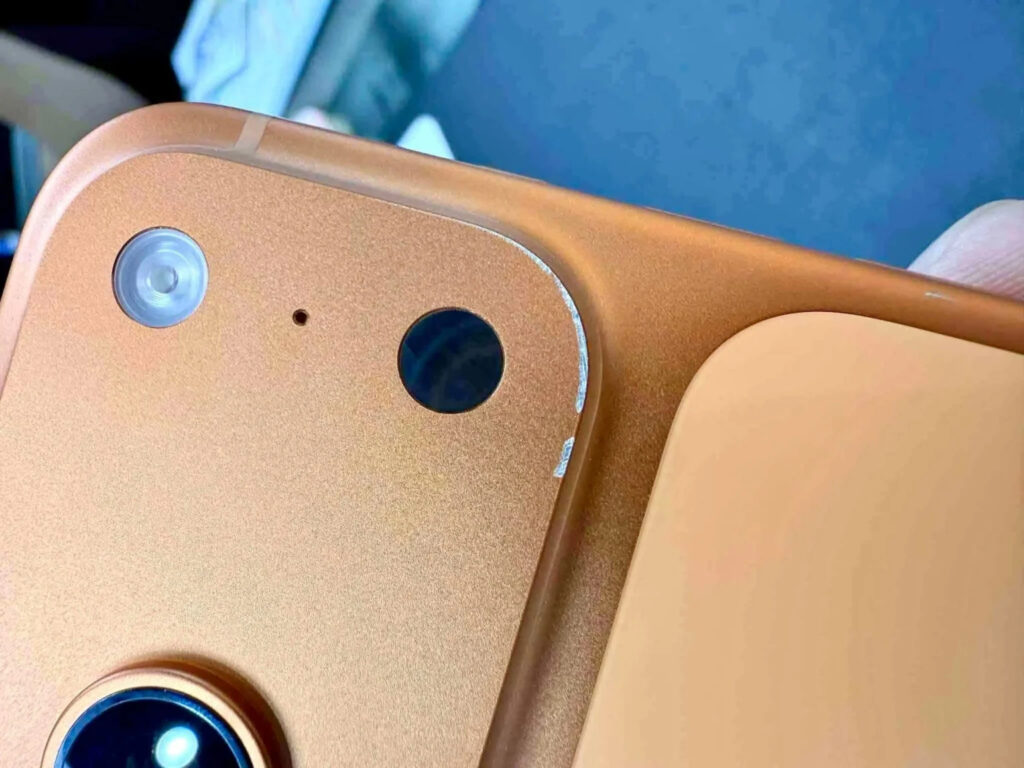
If you want to avoid this, go with silver
According to the source, complaints about wear appeared quickly. Users posted photos of scuffed frames within the first days of sales, and display units in Apple Stores reportedly developed scratches within hours. Apple attributed some damage to worn MagSafe stands, but numerous photos of lifted coating circulated online. The source author also notes reports of noticeable fading on colored Pro models within a month, which is especially visible on the brighter shades.
The source author’s recommendation for the Pro: silver, because it forgives almost any everyday wear.
iPhone 17: Five colors, and the case for white
The standard iPhone 17 offers the widest palette: lavender, sage (green), misty blue, white, and black. Lavender and sage are the most distinctive; misty blue is subtler; white and black are perennial neutrals.
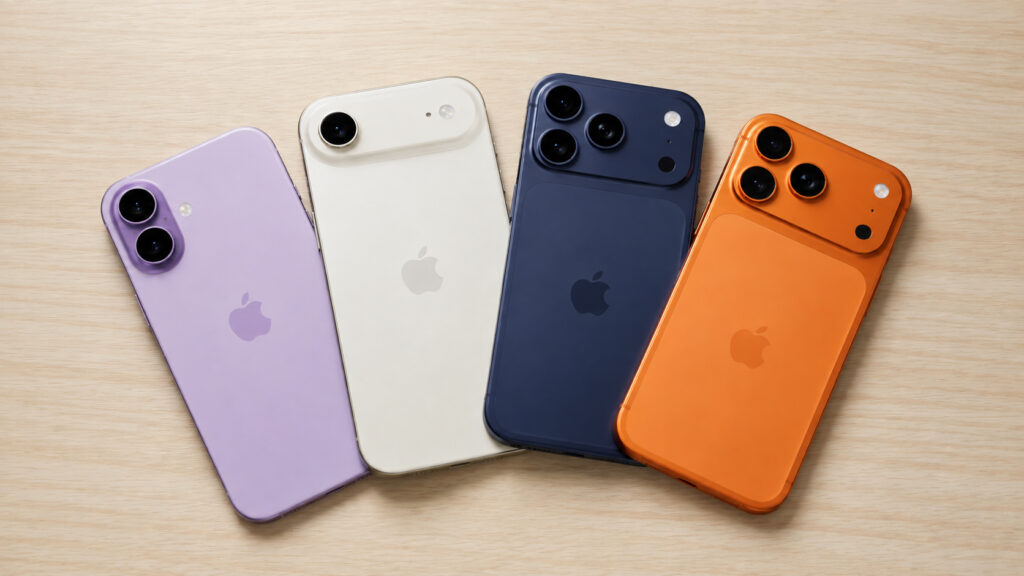
Choosing the most practical color for each lineup
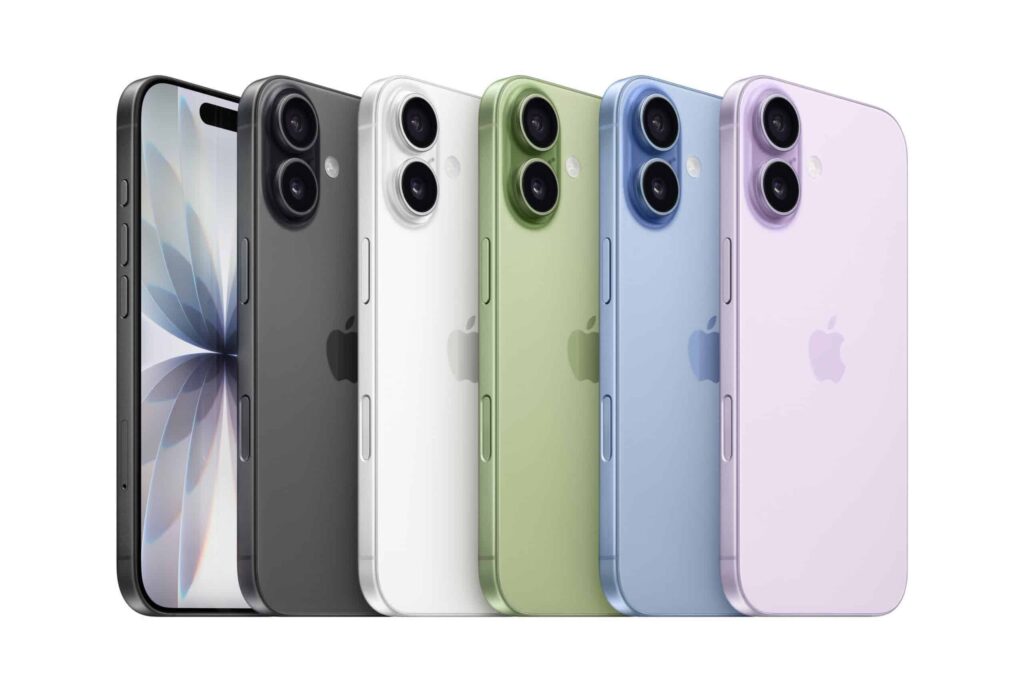
The best option for wear resistance here is white
The iPhone 17 has a glass back panel. The source author argues that scratches on white glass are nearly invisible, while on black, every minor scuff, dust particle, and fingerprint stands out immediately on the glossy surface. The source author describes white as the calmest option — one that can live without a case and not collect every trace of daily use. Black, by contrast, may look striking on day one but can appear worn after just a week of active use.
iPhone Air: Thin body, titanium frame, and white wins again
The iPhone Air occupies its own niche with four colors: sky blue, light gold, cloud white, and cosmic black. The shades are soft and semi-pastel, matching the thinnest body in the lineup. The source author notes they can be hard to tell apart unless placed side by side.
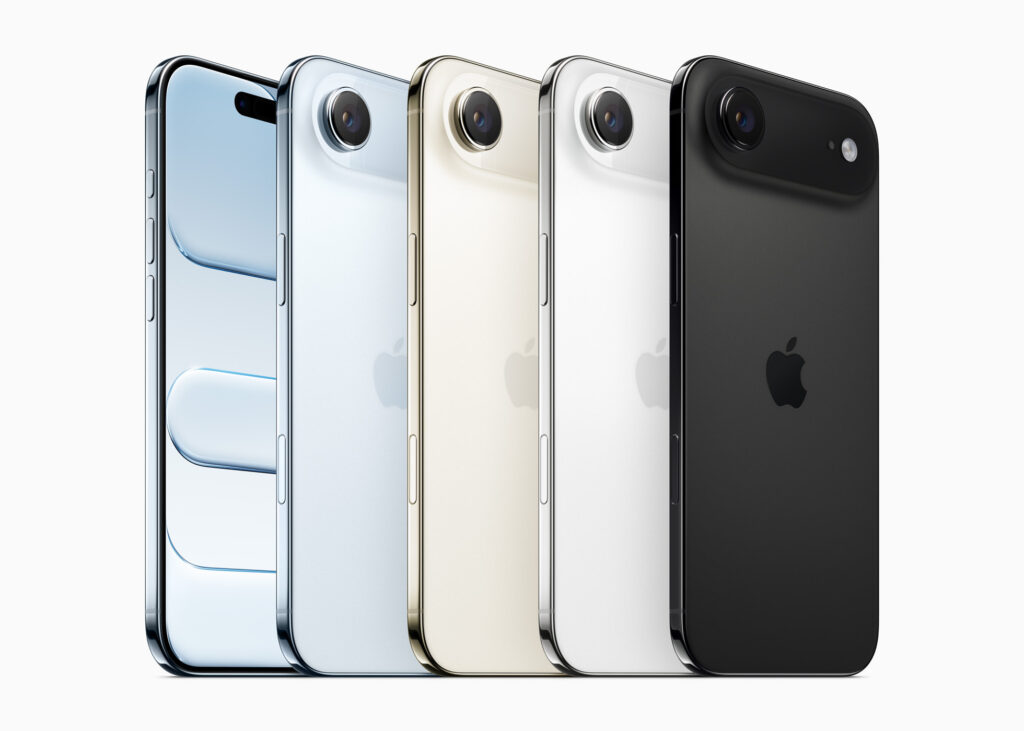
The iPhone Air has a restrained color palette
Once again, the source author favors white: chips and scuffs on cloud white are nearly unreadable, while cosmic black reveals every scratch. But the Air has an additional advantage. Apple gave this model a titanium frame — the more durable metal that the Pro line abandoned this year. According to the source, the titanium frame resists scratches noticeably better than the Pro’s aluminum, and the Air’s body does not bend even under significant pressure in durability tests. For anyone who prioritizes caseless durability, the source author considers the Air in cloud white one of the toughest options this season.
Real-world wear: A lesson from the source author
The source author reports owning an iPhone 16 Plus in ultramarine, kept in a case at all times. Despite that protection, a chip appeared on the top edge — and on the saturated blue finish, it is visible from a distance. The author notes that on a white version, the same chip would have blended into the light background and gone unnoticed. On colored aluminum, every small mark reads as high-contrast damage.
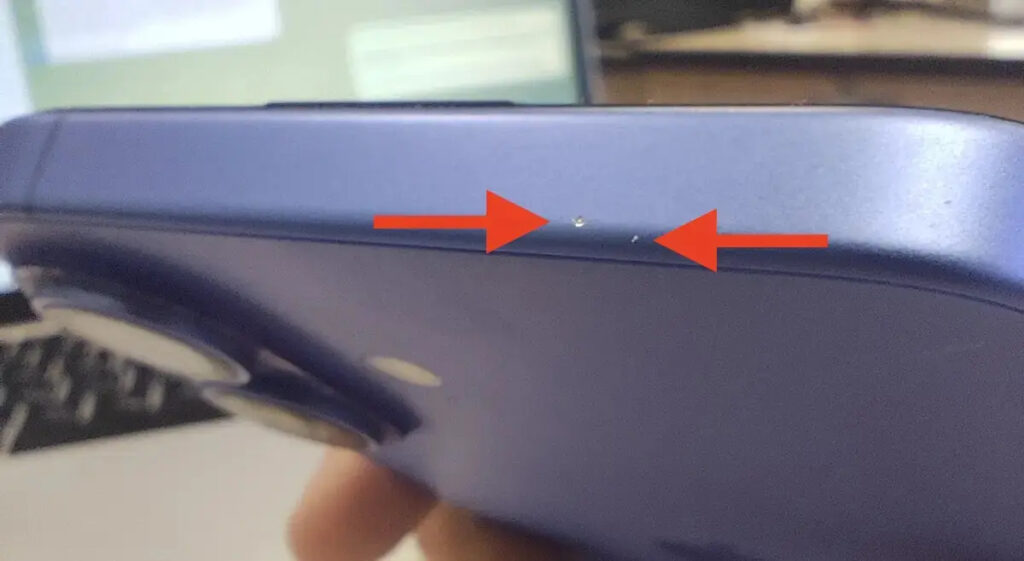
What happened to the source author’s colored iPhone 16 Plus — even with a case
The bottom line on color practicality
Colored iPhones — cosmic orange, ultramarine, cosmic black — are undeniably eye-catching in a store. But in daily life, every scratch and chip becomes a visible blemish. Lighter shades (silver on the Pro, white on the iPhone 17 and Air) age more gracefully and look tidy for years, according to the source author. For anyone choosing a phone for the long term and planning to go without a case, the source author’s advice is straightforward: pick the lighter option and leave the bold colors to those comfortable with battle scars.