Think an iPhone 17 is the same no matter where it’s from? Think again. Apple still produces different models for different countries, and the differences between them have become even more significant than before. And since there are no official iPhone deliveries to Russia and everything comes through parallel or gray imports, your future iPhone 17 will definitely be manufactured for some other market. Let’s figure out which model is better to buy and which to avoid.
Understanding regional differences of iPhone 17
What the iPhone 17 Model Number in Settings Means
Before choosing, you need to understand how to determine which country an iPhone was made for. The model number can be found right in the settings:
Open “Settings” — “General” — “About.” Find the “Model Number” line — if it shows a part number like “MG6A4VC/A,” simply tap on that line once, and it will switch to the model number in “A0000” format.
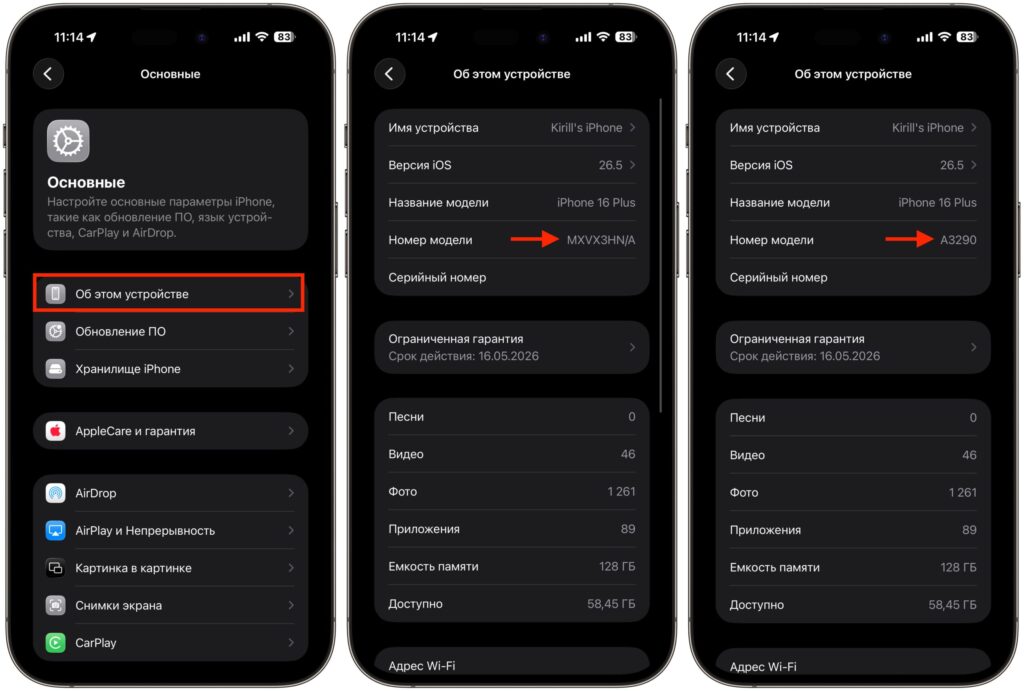
You can view the model number here
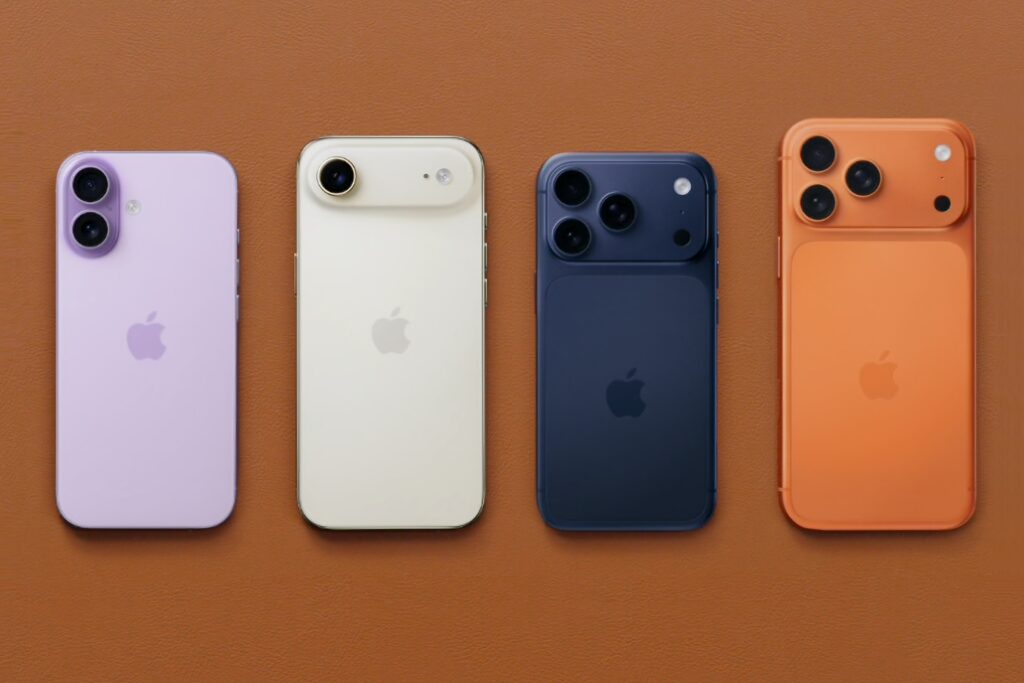
The iPhone 17 lineup includes four devices: iPhone 17, iPhone Air, iPhone 17 Pro, and iPhone 17 Pro Max. Each has three to four regional variants. Here is the complete list.
iPhone 17:
- A3258 — USA, Puerto Rico;
- A3519 — Canada, Japan, Mexico, Bahrain, UAE, Qatar, Kuwait, Oman, Saudi Arabia, U.S. Virgin Islands and Guam;
- A3521 — China;
- A3520 — other countries (Europe, India, Australia, Hong Kong, Macau, and others).
iPhone Air:
- A3260 — USA, Puerto Rico, Canada, Mexico, Bahrain, UAE, Qatar, Kuwait, Oman, Saudi Arabia, U.S. Virgin Islands and Guam;
- A3516 — Japan;
- A3518 — China;
- A3517 — other countries.
iPhone 17 Pro:
- A3256 — USA, Puerto Rico;
- A3522 — Canada, Japan, Mexico, Bahrain, UAE, Qatar, Kuwait, Oman, Saudi Arabia, U.S. Virgin Islands and Guam;
- A3524 — China;
- A3523 — other countries.
iPhone 17 Pro Max:
- A3257 — USA, Puerto Rico;
- A3525 — Canada, Japan, Mexico, Bahrain, UAE, Qatar, Kuwait, Oman, Saudi Arabia, U.S. Virgin Islands and Guam;
- A3527 — China;
- A3526 — other countries.
Is It Worth Buying a US iPhone 17 for Russia
This year Apple expanded the list of countries where iPhones are sold without a SIM card slot. Previously it was only the US, but now Canada, Japan, Mexico, and several Middle Eastern countries have been added. All these models work exclusively with eSIM.
For Russia, this means you’ll need to switch to eSIM with your carrier. Many people have already done so, and there are usually no problems with MTS, Beeline, MegaFon, and T2. But if you suddenly need to swap your card into another phone — you won’t be able to. These models are usually a few thousand rubles cheaper, but the savings are questionable.
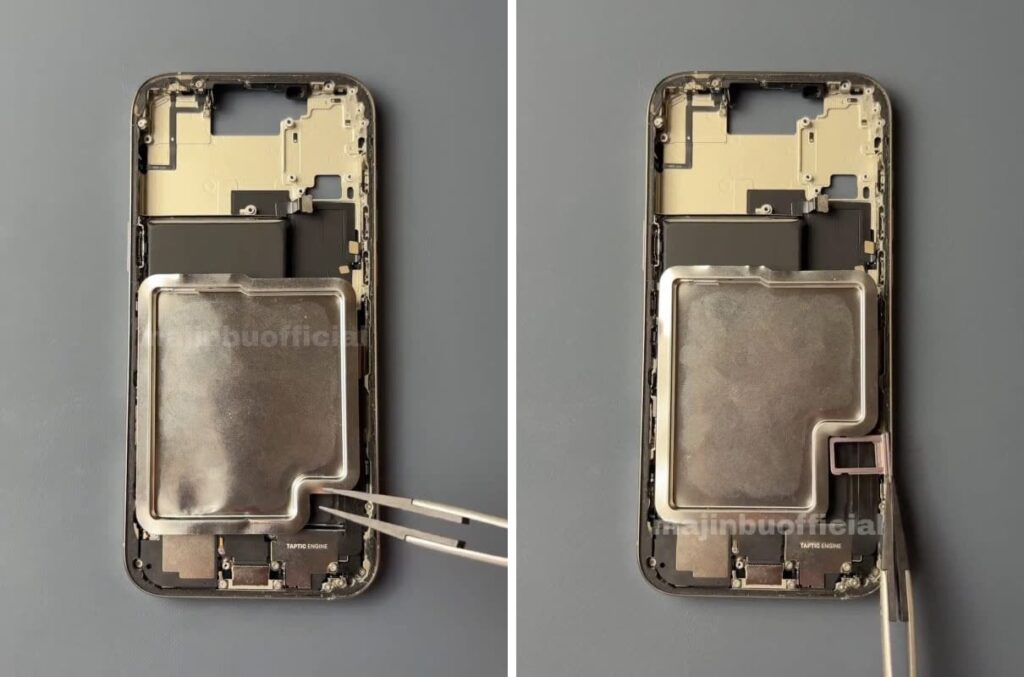
Difference in battery size between eSIM and regular SIM versions
However, eSIM models of iPhone 17 Pro and Pro Max have a nice bonus. For the first time, Apple used the space freed up from the SIM card tray to increase battery capacity. The eSIM iPhone 17 Pro has a 4,252 mAh battery, while the version with a physical SIM has 3,998 mAh. The difference is almost 6.5%, and in practice this provides roughly an extra hour of web browsing and about 45 additional minutes of gaming.
iPhone 17 for China: What Are the Restrictions
The complete opposite of American models — Chinese iPhone 17, 17 Pro, and 17 Pro Max. They have no eSIM at all and work only with physical SIM cards.
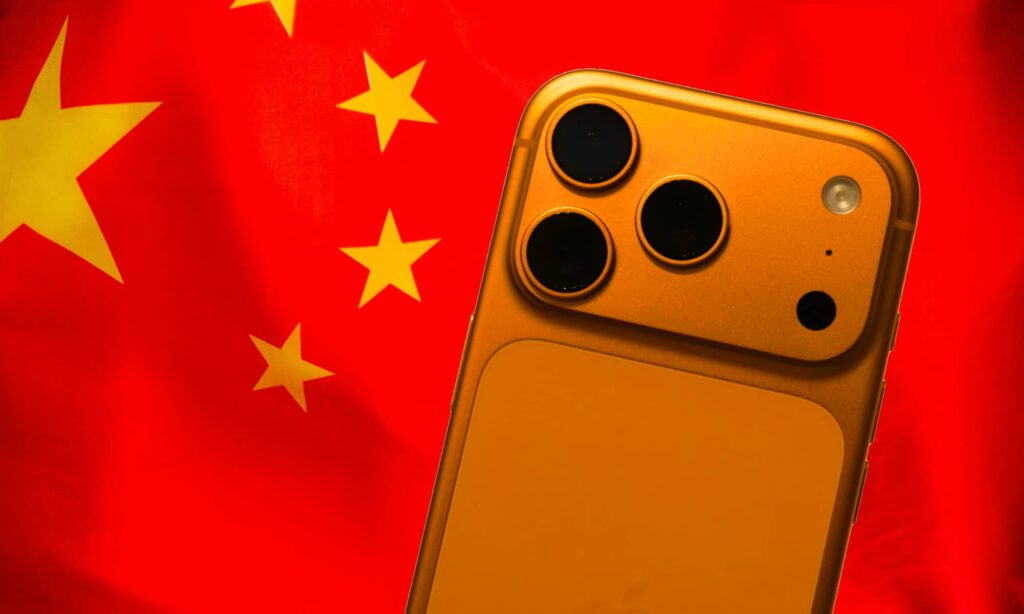
Chinese iPhones have software restrictions
But the main problem isn’t that. Chinese iPhones have a whole set of unpleasant restrictions that cannot be removed even outside of China:
- FaceTime Audio is completely disabled — you can only make video calls, not audio. Group FaceTime calls are also unavailable. And this is permanent; no SIM card and no region setting will fix it.
- Apple Intelligence doesn’t work on devices purchased in China. Even if you leave the country, change the language to English and the region to the US — Apple Intelligence simply won’t appear in settings. This restriction is based on the region of sale. Apple had planned to launch its AI in China through partnerships with Baidu and Alibaba, but the feature hasn’t fully launched yet.
Therefore, I definitely do not recommend buying Chinese models for use in Russia. iPhone Air is the exception. It’s the only model in the lineup that works only with eSIM in all countries, including China. There, activation goes through China Unicom. So you won’t find a “Chinese” iPhone Air with two physical SIMs.
iPhone 17 from Japan: Is It Worth Buying for Russia
Japanese iPhone 17 models have a long-standing feature: the camera shutter sound cannot be turned off. This is a Japanese legal requirement aimed at preventing covert photography.
The good news is that if you install a Russian SIM card, the shutter sound can be muted through silent mode. But switch the iPhone to airplane mode, and the shutter sound will turn back on. So if you’re shooting in quiet environments — be careful. Another note: starting with iPhone 17, Japanese models have also become eSIM-only, like American ones. They have no physical SIM card slot.
How Does the Dubai iPhone 17 Differ from Other Versions
Brought an iPhone 17 from Dubai? Be prepared that FaceTime may not work — neither video nor audio. In the UAE and some other Middle Eastern countries, Apple disables this feature due to local telecommunications regulatory requirements.
But unlike China, the restriction is lifted when you leave these countries. For many, it’s enough to simply change the region in settings to Russia or install a Russian SIM card, and FaceTime will work. I recommend activating such a device already in Russia — this will cause fewer problems. Important note: models from this region are also eSIM-only. There is no physical SIM card slot.
Why the European Version of iPhone 17 Is More Convenient for Russia
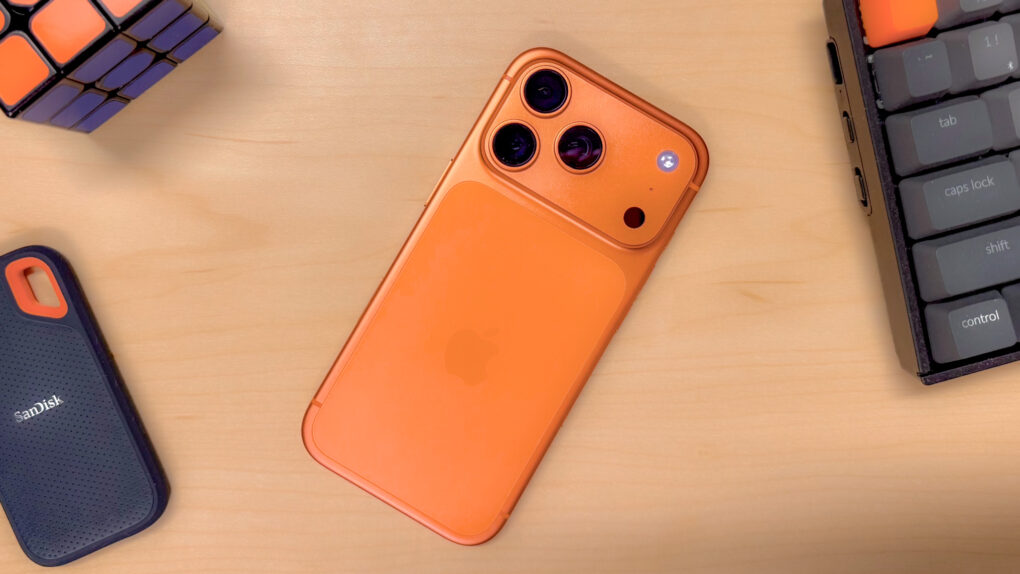
European iPhone 17 versions have the fewest restrictions, but they cost more