One of the main mysteries surrounding the next-generation iPhone 18 is the battery capacity, which could significantly increase thanks to a transition to silicon-carbon technology. The main design change in iPhone 18 Pro was recently revealed, and now the battery capacity has also become known. But, as insider Digital Chat Station reported today, don’t expect a revolution this fall.
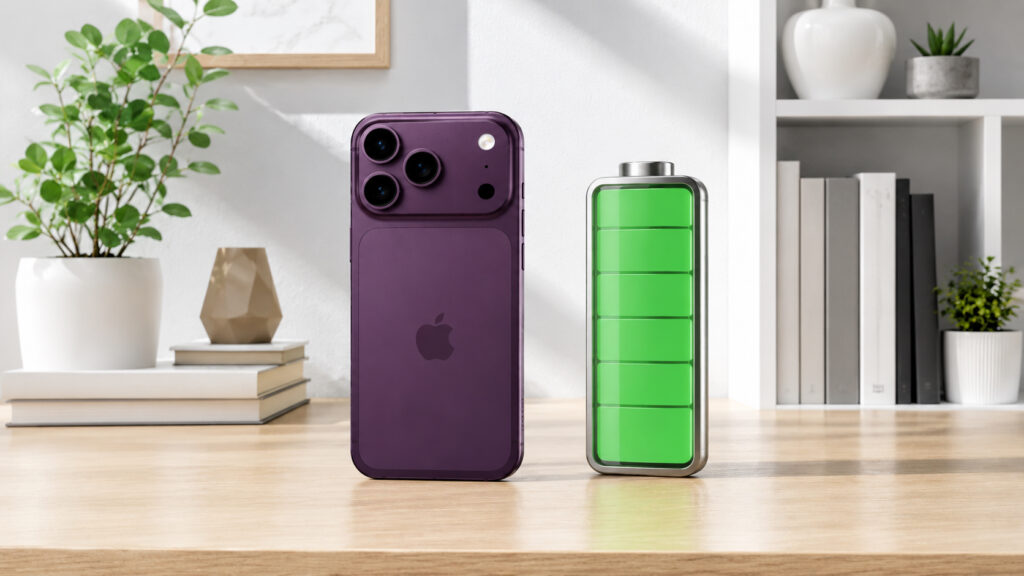
Now we know the iPhone 18 Pro battery capacity
iPhone 18 Pro Battery Capacity
The main takeaway from the new leak: the numbers have increased minimally. There’s no jump of hundreds of mAh that many expected from a generational change. The increase is measured in tens of milliamp-hours and is noticeable only on paper. To make it clearer, I’ve compiled all the data into one table. The first column shows the version with a physical SIM tray (available in China and several other markets), and the second shows the eSIM-only model sold in the US, UAE, and other countries.
| Model | SIM, mAh | eSIM, mAh | Difference, mAh | US version larger by |
|---|---|---|---|---|
| iPhone 17 Pro | 3988 | 4252 | 264 | 6.62% |
| iPhone 18 Pro | 4056 | 4288 | 232 | 5.72% |
As you can see, the year-over-year increase amounts to just 68 mAh for the Chinese version and 36 mAh for the American one. That’s less than two percent. The information was first spotted by Digital Chat Station, and later confirmed by another reputable insider — Ice Universe, so these rumors should be taken seriously. If this increase doesn’t impress you, you’re not alone.
How eSIM Affects iPhone Battery
A physical SIM card slot takes up space inside the device. If you remove it and keep only eSIM, the freed-up volume can be given to the battery. That’s exactly why American iPhones have been lasting slightly longer than their Chinese and European counterparts for years now.
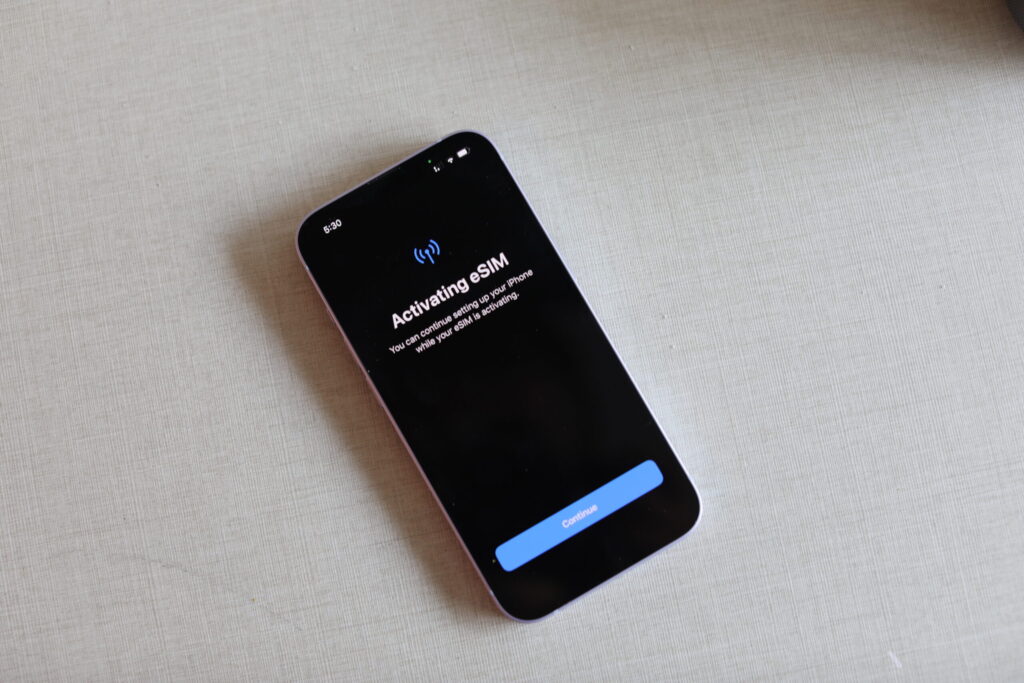
Ditching the physical SIM card will allow for increased battery capacity
Interestingly, the gap between versions is narrowing. For the iPhone 17 Pro it was 264 mAh, while for the iPhone 18 Pro it will drop to 232 mAh. Apple is gradually evening out the internal layout, and the advantage of eSIM models is becoming less pronounced.
But there’s a nuance that concerns you personally if you buy your iPhone in Europe. According to rumors, starting with the iPhone 18 Pro, Apple will begin mass-transitioning European markets to eSIM without a physical tray. This means millions of EU buyers will for the first time automatically receive the version with the larger 4288 mAh battery — the same one that was previously exclusive to Americans. For a region that has made do with smaller capacity for years, this is welcome news.
Why iPhone 18 Pro Will Hold a Charge Longer Than 17 Pro
Now for the most important part. Capacity figures are not the whole story. A smartphone’s real battery life depends not only on the battery size but also on how efficiently the processor uses it. And this is where the iPhone 18 Pro has its main ace up its sleeve.
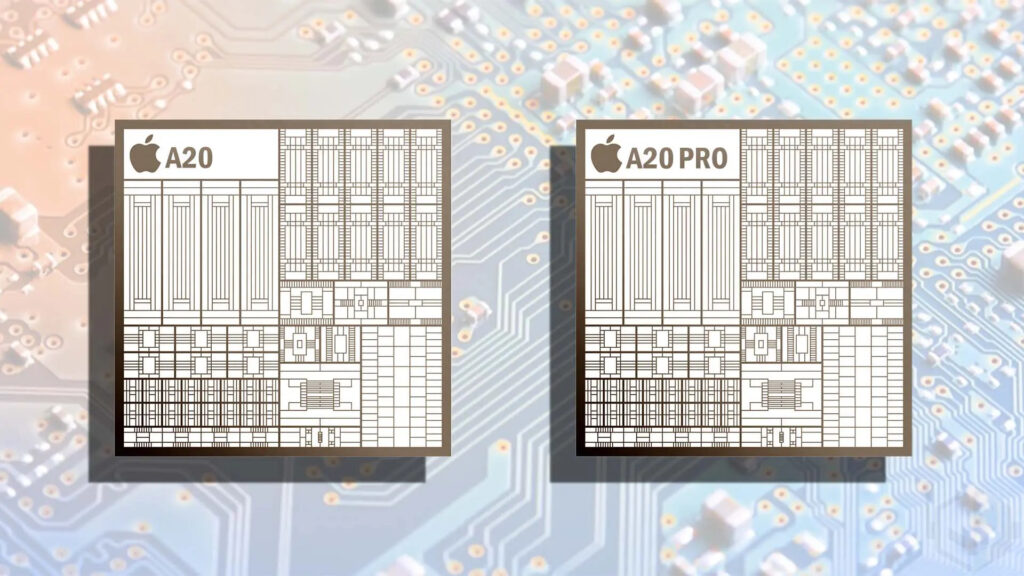
New chips will extend battery life without increasing battery capacity
The new device will feature the A20 Pro chip, manufactured using TSMC’s 2-nanometer process. This is Apple’s first-ever transition to 2 nm, and it promises a noticeable leap in energy efficiency. Simply put, under the same workload, the new processor will consume less power than the A19 Pro. Over time, this yields more real hours of usage than a modest 36 mAh increase.
Software optimization should also be added to the equation. According to Mark Gurman, Apple is conducting a massive code cleanup specifically aimed at conserving battery life. With the combination of a more efficient chip, an optimized system, and a slightly larger iPhone 18 Pro Max battery, projections suggest it could surpass the 40-hour video playback mark — compared to 39 hours for the current iPhone 17 Pro Max. So battery life improvement will happen, it just won’t be driven by the battery itself, but by everything else.
Why Silicon-Carbon Batteries Are Better Than Standard Ones
The main disappointment for enthusiasts — there’s no silicon-carbon technology in this leak. This chemistry allows packing more energy into the same volume by replacing the graphite anode. It’s precisely thanks to this technology that Chinese flagships have long surpassed the 6000 mAh threshold, with some models approaching 10,000 mAh in a regular smartphone body.
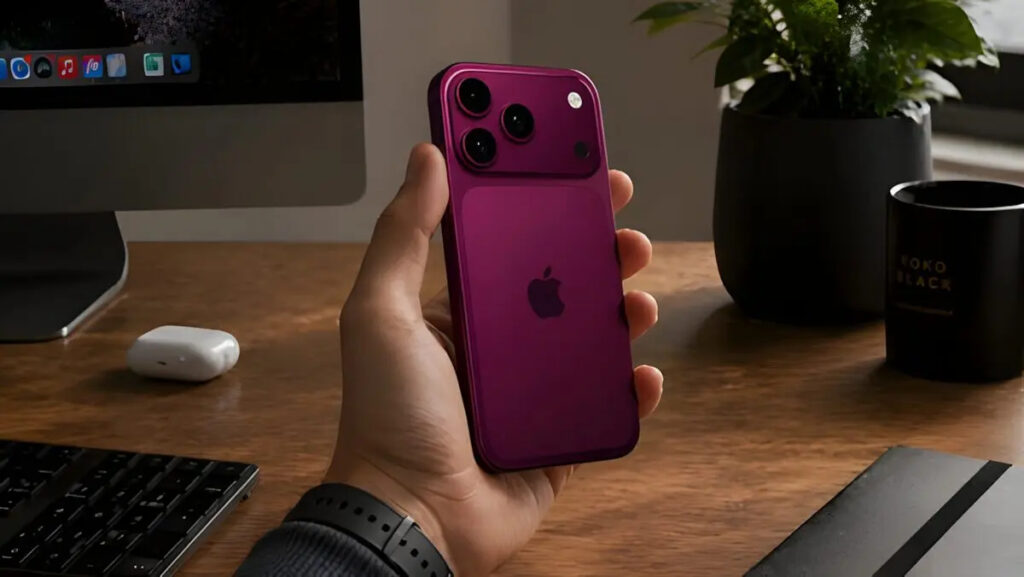
Silicon-carbon batteries in iPhones won’t be happening just yet
Apple, meanwhile, continues to stick with classic lithium-ion batteries. Analysts regularly bring up silicon-carbon as a likely next step, but there’s nothing in the current chain of rumors to confirm a transition this fall. The company is traditionally cautious with new battery types: for them, safety and longevity come first, not chasing record numbers.
Most likely, we will eventually see silicon-carbon batteries in iPhones, but not in 2026. For now, the iPhone 18 Pro will offer Apple’s typical approach: moderate capacity plus aggressive hardware and software optimization.