
You can contract rabies from a bat even without a bite
An 11-year-old boy from the Canadian province of Ontario woke up one morning and found a bat on his face. He brushed it off, examined his skin, and found no bites, scratches, or blood. A few weeks later, he was gone, because he died of rabies. Doctors still debate how the rabies virus entered his body when there were no visible injuries. This case changed the medical approach to any human contact with bats.
How Rabies Develops: A Real-Life Example
It all began in a way that was both mundane and terrifying at the same time. The child woke up and found a bat sitting right near his mouth and nose. Outwardly, nothing indicated danger — the animal left no visible wounds, so no one sought medical help right away.
The first symptoms of rabies appeared 19 days later. The boy was brought to the emergency department with vomiting and a tingling sensation on his face. By the next day, neurological signs had appeared: slurred speech, and his condition deteriorated rapidly.
Doctors quickly suspected the worst. A rabies diagnosis was made based on the contact with the bat and the characteristic neurological symptoms, but they were unable to save the child. Seventeen days after hospitalization, life-sustaining therapy had to be discontinued, and the boy died surrounded by his family.
Why Rabies Is Almost Always Fatal
Rabies is one of the most deadly infections known to humans. Its treachery lies in the fact that once symptoms appear, the survival rate for rabies is nearly zero, and doctors can only provide supportive care to ease suffering.
The virus acts slowly and imperceptibly. The rabies incubation period usually ranges from two to three months, but sometimes symptoms appear much later. It begins with fever and tingling or itching at the site of contact, then progresses to anxiety, confusion, agitation, hallucinations, and a panicked fear of water.
This is precisely why time is everything. As long as the virus hasn’t reached the nervous system and brain, the disease can be stopped. Once neurological symptoms appear, the chances of surviving rabies drop to zero.
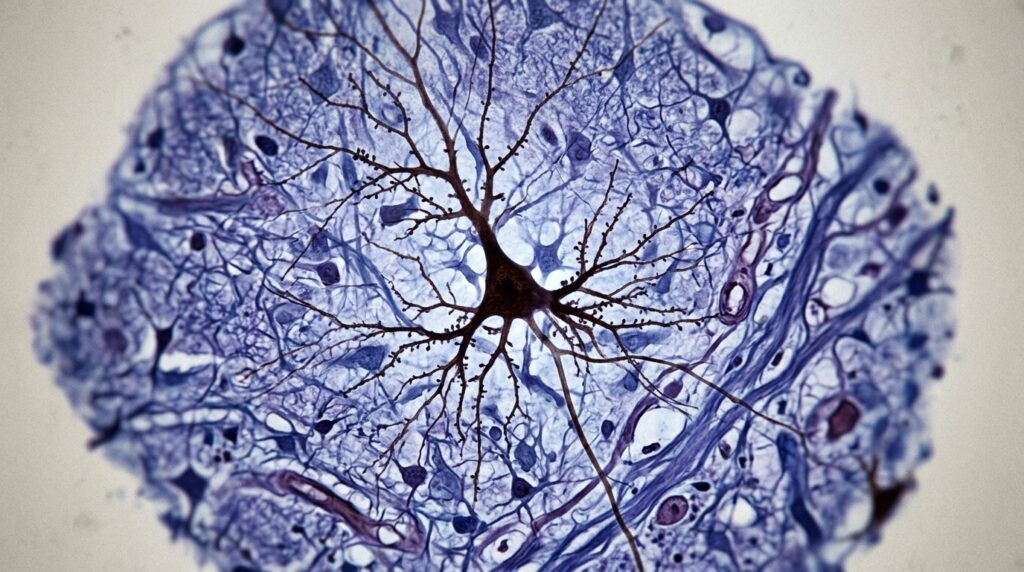
Negri bodies in neurons — a classic sign of rabies that pathologists look for during autopsy
Why Bats Are Dangerous
When it comes to rabies, most people think of dogs — and for good reason. According to the World Health Organization’s estimates, 99% of human rabies cases are caused by dog bites or scratches.
But the virus is also carried by other animals. A 2019 study identified bats as the primary source of rabies risk in the United States. In Canada, the picture is even more striking, because all human rabies cases since 1967 have been transmitted by bats.
The main trap is that bat bites and scratches can be tiny and nearly invisible. A person may not even realize they’ve been exposed to danger. Back in 2019, the U.S. Centers for Disease Control and Prevention warned that if you find a bat in your bedroom, you should assume that contact with the virus may have occurred. In light of this case, that warning sounds almost prophetic.
What to Do If You Come Into Contact With a Bat
The doctors’ main takeaway is simple: any direct contact with a bat, even without a visible bite or scratch, is a reason for post-exposure prophylaxis and contacting health authorities. This was precisely the step that was missing in the tragic case from Ontario.
Post-exposure prophylaxis is a series of rabies vaccinations administered at specific intervals over approximately two weeks after contact. Timely vaccination prevents the development of the infection with nearly 100% effectiveness.
If you come into contact with a rabid animal, you should follow this plan:
- Remove clothing that may have come into contact with the animal’s saliva, brain tissue, or nervous system fluids;
- Thoroughly wash wounds with soap and water and rinse them with water for at least 15 minutes. If a bat touched your skin, wash that area even if you don’t see a bite or scratch;
- If possible, collect the contact information of the animal’s owner;
- If it is safe to do so, isolate the animal in a separate room.
After that, you should immediately seek medical help to determine whether vaccination is needed.
The most important thing about this story is not how rare the incident was, but the gap in awareness. The authors of the report note that the boy reported a bat on his face, and that alone was an indication for vaccination, but no one sought help precisely because no obvious bite was noticed.
This is exactly why doctors urge people to change their habitual thinking and understand that it’s not just a bite that is dangerous, but the very fact of contact with a bat. The case is described in the Canadian Medical Association Journal and serves as a reminder that with rabies, the cost of delay is a life — and a simple vaccination given in time can save it.