Smartphones have improved dramatically over the past decade — faster processors, longer battery life, extended software support. Yet several genuinely practical features have disappeared along the way, and their absence is felt more keenly than ever. Here are five capabilities that older phones offered and that modern flagships would benefit from bringing back, according to the original article’s author.
What you need to know
- The 3.5 mm headphone jack, microSD card slot, and user-replaceable batteries have largely vanished from flagship smartphones despite continued practical demand.
- EU regulations on battery replaceability may push manufacturers toward easier battery access in the near future.
- Wider 16:9 aspect-ratio screens, once standard, are being revisited through foldable designs like the Galaxy Z Fold 8.
- Front-facing notification LEDs and fuller speaker grilles were possible when bezels were thicker — a trade-off the source author considers worthwhile.
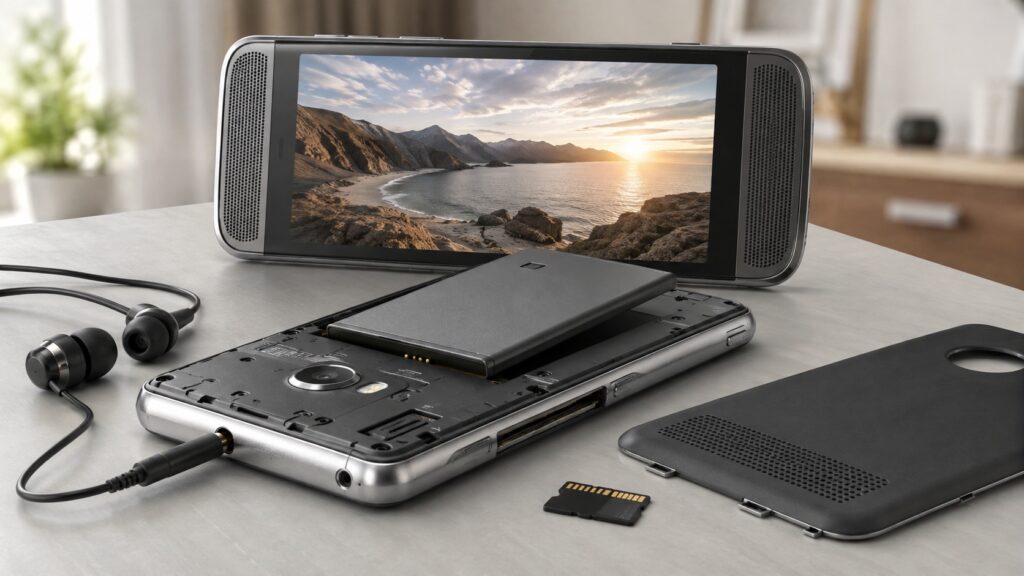
Five features that are genuinely missed
The 3.5 mm headphone jack: simplicity Bluetooth can’t match
Bluetooth audio is ubiquitous, but the humble mini-jack still has clear advantages. Older car stereos and home audio systems rely on AUX connections, and plugging in a cable requires no pairing ritual. The source author also notes that wired headphones need no charging, can’t run out of battery mid-commute, and deliver latency-free audio.
There is a quality argument, too. A dedicated 3.5 mm port allowed phone makers to include a high-quality DAC (digital-to-analog converter) inside the device. USB-C adapters technically solve the problem, but the source author points out that carrying a dongle at all times is an inconvenience most users would rather avoid.
Wider 16:9 screens are better for video
As phones have grown taller and narrower, the viewing experience for standard video content has arguably suffered. The source author highlights older devices like the LG V20 and Nexus 6, whose 16:9 displays filled the screen naturally with most video, social media, and gaming content.
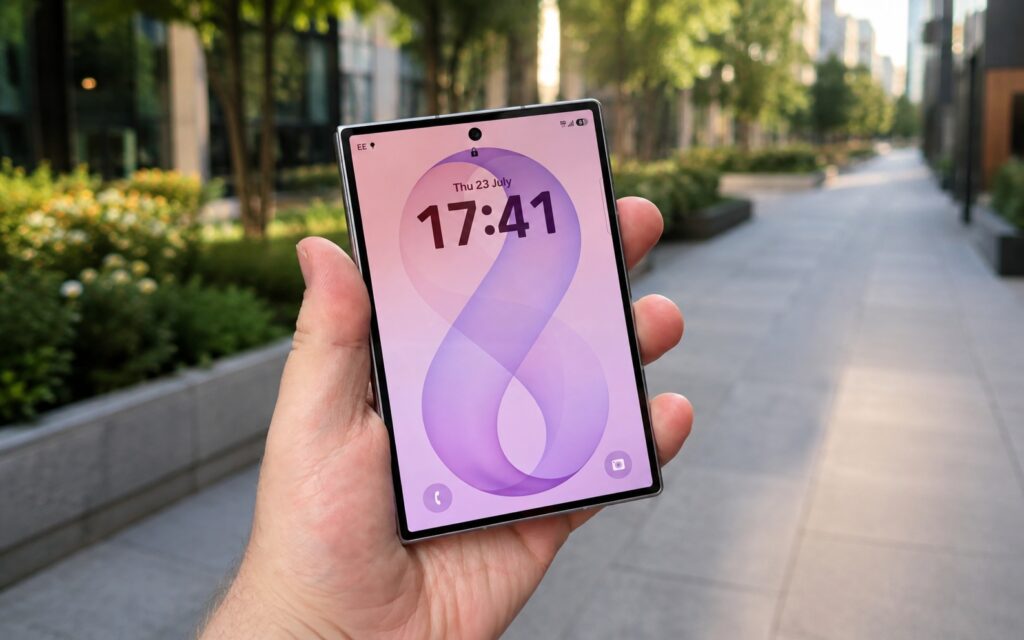
Users are growing tired of elongated displays and want something wider
A full return to 16:9 is unlikely, the article concedes, but interest in wider screens is growing again. Foldable models like the Galaxy Z Fold 8 remind users what it is like to see an entire document or email without horizontal scrolling. The source author suggests wider-format options may start appearing more frequently in manufacturer lineups.
The microSD slot: expandable storage on demand
MicroSD card slots still survive in some budget and mid-range phones, but they have been almost entirely eliminated from flagships. The premium charged for higher internal storage tiers — jumping from 256 GB to 512 GB or 1 TB — can be steep, and a memory card would offer a far more affordable way to expand capacity, especially for users who keep a phone for several years.
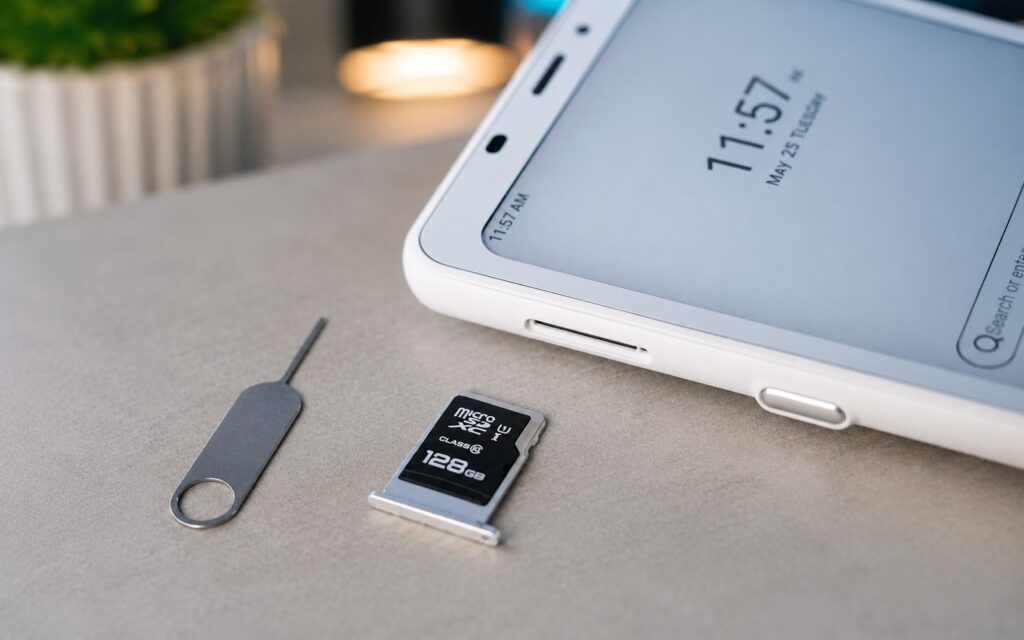
In an era of storage shortages, a microSD slot would be welcome

Cloud storage is an alternative, but the source author notes that not everyone wants all their data online. Connectivity is not always available, mobile data may be capped, and a physical card lets users carry photos, movies, and music locally without relying on an internet connection.
Replaceable batteries: fighting long-term degradation
Phones like the LG V20 let users pop off the back cover and swap in a fresh battery in seconds. The source acknowledges the trade-offs: removable batteries can compromise water resistance, tend to be bulkier, and modern processors are efficient enough that mid-day battery swaps are rarely necessary.
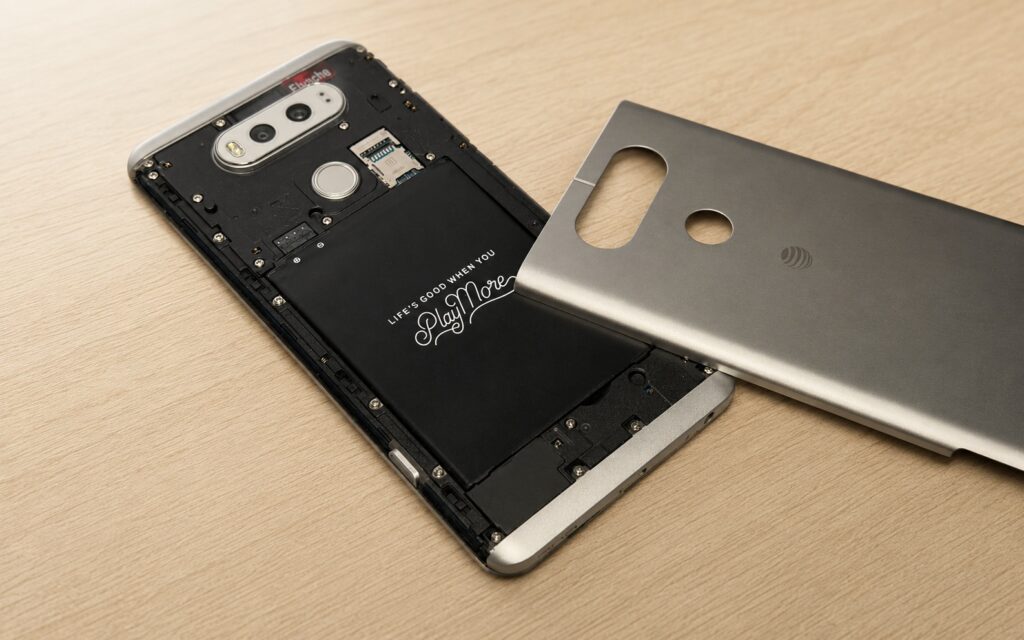
Smartphones with removable batteries would still be welcome
However, the source author argues the real value is not hot-swapping batteries on the go but being able to replace a degraded cell after five or six years of use. After many charge cycles, capacity drops noticeably. There is reason for optimism: the EU has tightened requirements around battery replaceability, and even Apple has had to adapt. The source author suggests that while carrying spare batteries in a pocket is a thing of the past, phones with easily accessible batteries are a realistic prospect.
Thicker bezels for better speakers and notification LEDs
The industry-wide push for razor-thin bezels has come at a cost. The source author argues that slightly thicker borders would leave room for full-size front-facing speakers with meaningfully better sound. Some current phones manage decent audio within slim bezels, but more physical space would improve results.
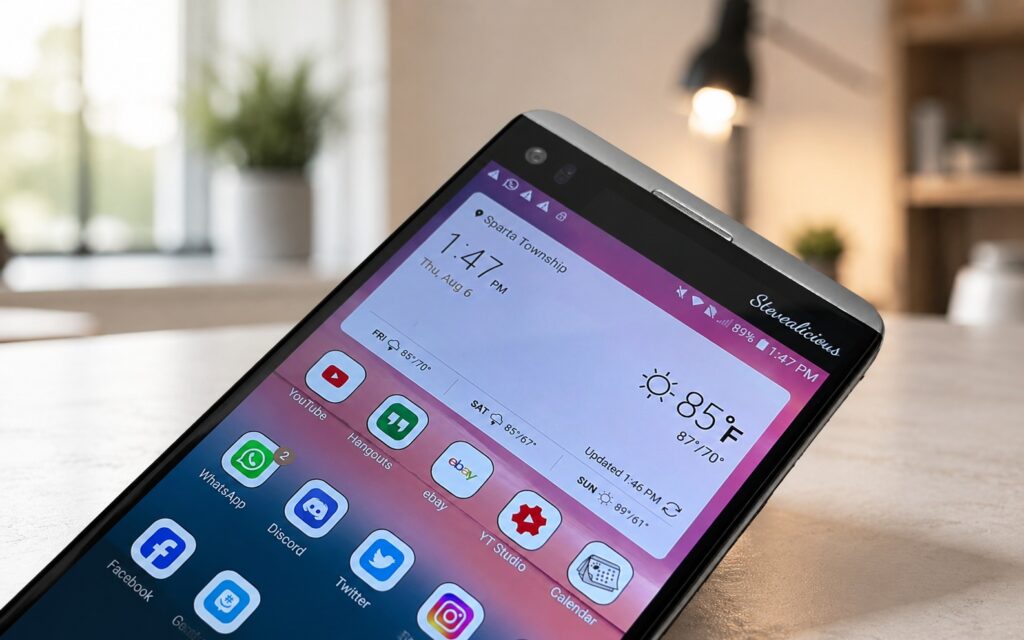
Remember smartphones with bezels like these for front-facing speakers?
The source author also expresses nostalgia for the notification LED — a small light that indicated unread messages without waking the screen. In the author’s view, a bright LED visible from across a room is more practical than an always-on display, which becomes unreadable beyond about a meter. The article mentions that Google is reportedly preparing a “HiLight” feature for the Pixel 11, though it is placed on the rear panel. Front-facing space, the author argues, would be better suited for such indicators.
Finally, the source recalls the iris scanner found on devices like the Galaxy Note 9, suggesting that more robust biometric options beyond fingerprint readers alone would also be welcome — another feature that thicker bezels could accommodate.