At the Apple WWDC 2026 presentation, among all the talk about artificial intelligence, there was one announcement that concerns all of us directly. iOS 27 will be available for all iPhones starting with the iPhone 11, which was released in late 2019. No caveats, no complicated tables, and no need to guess whether your phone will make the list. This is a good reason to honestly compare how updates are delivered in the Apple world versus the Android world — and why even seven-year promises from Android manufacturers often sound less convincing than a simple statement from Apple.
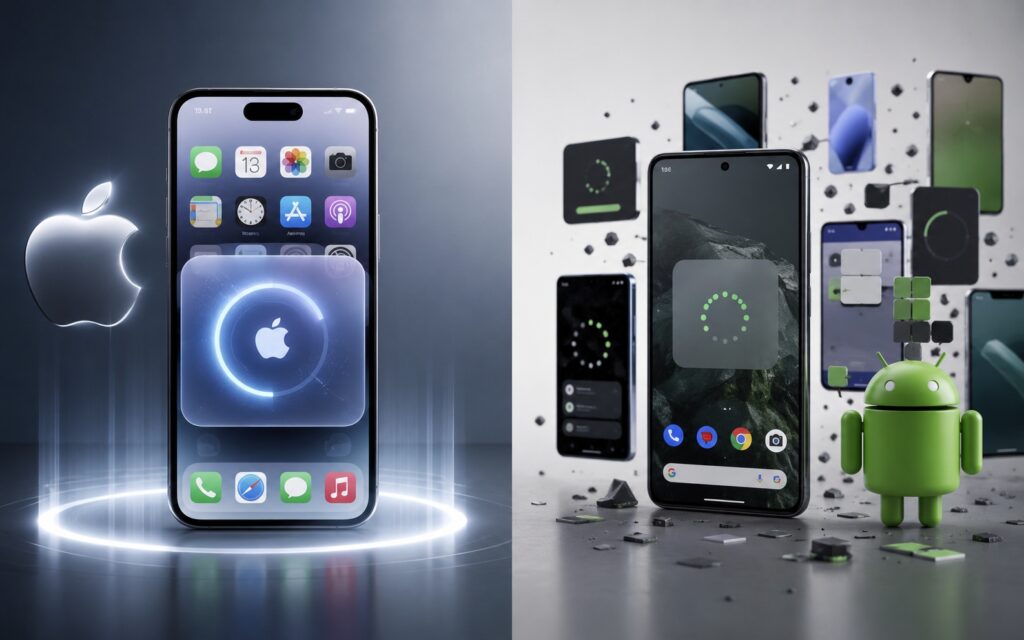
Apple has a more thoughtful approach to updates
Apple iPhone Support Lifespan
Apple didn’t say that the new iPhone would get exactly seven years of updates. Instead, the wording was simpler: iOS 27 will come to all devices released starting with the iPhone 11. This means that the owner of a six-year-old phone gets the same version of the system as the buyer of the newest model.
It’s also important that this applies not only to smartphones. Following the same logic, the company updates iPad tablets, Apple Watch, and Mac computers. The user sees a unified and predictable picture across the entire product lineup.
Apple’s Advantage in Its Approach to iOS Updates
The main strength here isn’t technical — it’s in the language. The phrase “the update will come to all models starting from such-and-such” works differently than a promise of “seven years of updates.” It doesn’t pressure the owner of an older phone or hint that it’s time to urgently upgrade.
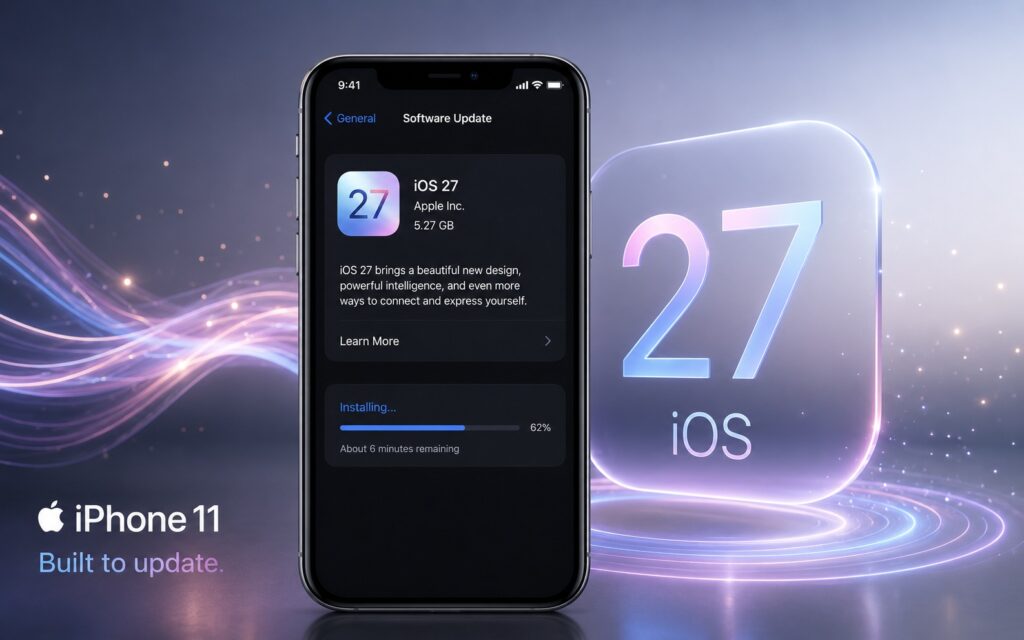
Even the old iPhone 11 continues to receive major updates
Users don’t need to search whether their device made the list, and calculate which year of support it is. Old and new buyers end up in an equal position, and this feeling of reliability is more valuable than flashy numbers in a press release. By not committing to a specific timeframe, Apple also protects itself: if something changes, it hasn’t formally broken any promises. But for the buyer, the outcome is still clear — looking at how past models have been supported, you can confidently expect another five to seven years of updates.
How Android’s Update Policy Differs from Apple’s Approach
On Android, everything is noticeably murkier. The support period depends on the model and region, and sometimes on whether you manually check for updates. There’s almost never a single release date: updates roll out in waves, and owners of older devices often end up at the back of the queue. The reasons vary — from finances to the longstanding fragmentation problem, where there are too many devices and versions. But the phone owner shouldn’t have to worry about these reasons: they need a clear answer about when the update will arrive and whether it will come at all.
Take Samsung: updates there are far from transparent, and much depends on the specific combination of model, country, and network. Google’s situation is better, but it only offers seven years of system updates starting with the Pixel 8 from 2023. At the same time, the company describes Pixel Drop release timelines vaguely: updates roll out gradually, depend on the carrier and device, and can take several weeks. By the way, seven years of updates isn’t as unambiguously good news as it’s presented. We discussed the hidden pitfalls in our article about why 7 years of Android updates isn’t always a plus.
Why Android and iOS Updates Matter
If you’re the type who gets anxious about updates and regularly checks whether an update will come to your phone, Apple removes that stress almost entirely. You can buy a used iPhone 11 or a new iPhone 17 Pro Max and immediately understand what will arrive and when.
OS updates are very important
On Android, making the same calculation is harder. That’s why when choosing a device, you should look not only at the number of years of promised support but also at how a specific manufacturer has rolled out past updates and whether they were delayed in your region. It’s also worth keeping in mind the overall closed nature of Apple’s ecosystem — it helps with updates but creates limitations in other scenarios. For example, we explained why Apple Watch doesn’t work with Android smartphones.
What Needs to Change in Android Updates
Apple once again demonstrated how updates should be delivered to users: clearly, predictably, and equally for old and new owners. It’s not so much about the fact of long-term support itself, but about the clarity that Android manufacturers still lack.
Fully replicating Apple’s approach on Android is difficult due to the multitude of brands and models. But demanding more transparent timelines and unified release dates from manufacturers is entirely reasonable. And until that happens, when buying an Android smartphone, look not at marketing numbers but at the real update history of the specific product line.