Agreed, the headline sounds provocative, but there’s a valid point here: major Android updates in 2026 no longer matter as much as they used to. Not to mention that they significantly lag behind iOS updates, which we covered in our detailed analysis. Most new features arrive not with a new system version, but through app updates from the Play Store. Let’s figure out why this happened, who benefits from it, and where the catch lies.
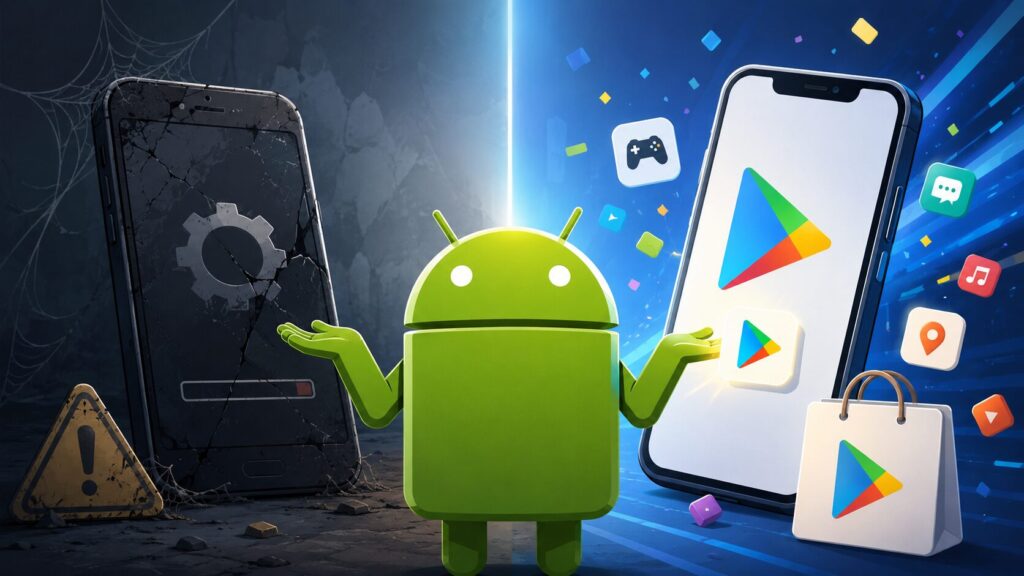
Android updates no longer matter — and it’s all Google’s fault
Why New Android Features No Longer Depend on the OS Version
The main argument is simple: Google’s significant innovations increasingly don’t require a fresh system version. A good example is Gemini. You might think it requires at least Android 14, since the assistant launched in the same year, 2023. In reality, the minimum requirement for Gemini is Android 9.0 Pie from 2018. This means that even truly old smartphones got access to one of the most notable Android additions in recent years.
And this isn’t an isolated case. Over the past year, Google released features like Ask Maps and Ask Photos — smart search for maps and photos. They only need Android 8.0 Oreo, meaning even very old smartphones can handle them. The pattern is obvious: almost everything new that Google announces each year depends not on the Android version, but on the specific app the feature is built into. And the Android updates that do come out mostly fix bugs and vulnerabilities.
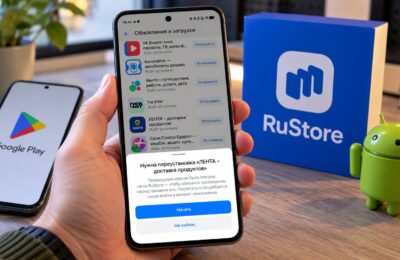
This is also how system apps work. Google and most manufacturers update important apps through the Play Store, Galaxy Store, or another built-in store. This is a convenient way to deliver fixes: bugs get resolved quickly without installing a large update and rebooting the phone, and the manufacturer doesn’t need to prepare an update for dozens of models at once.
How Android Is Better Than iPhone
Here Android truly wins over iPhone. Apple updates key apps through the system — Messages, Camera, Safari, and even Apple Music have to be pulled in with a full iOS update. Google, on the other hand, can fix a bug in Google Messages or YouTube Music with a single update from the Play Store, and it will reach almost any Android smartphone without firmware gymnastics.
This leads to a practical takeaway for those who don’t like updating. Android users receive new features and fixes for core apps even if they postpone installing system updates for months. On iPhone, that won’t work — without a full iOS update, new features won’t arrive.
There’s also a nuance with security. Security patches are released separately from major Android versions: Google, Samsung, and other manufacturers release them independently, and the Play System Updates mechanism pulls important components directly from the Play Store on phones with Android 10 and newer.
This doesn’t mean that major Android updates are completely empty. Android 17 brought app bubbles for convenient multitasking, and the Material 3 Expressive design looks great on Android 16. It’s just that big updates no longer generate the excitement they once did, and most features work perfectly fine without them.
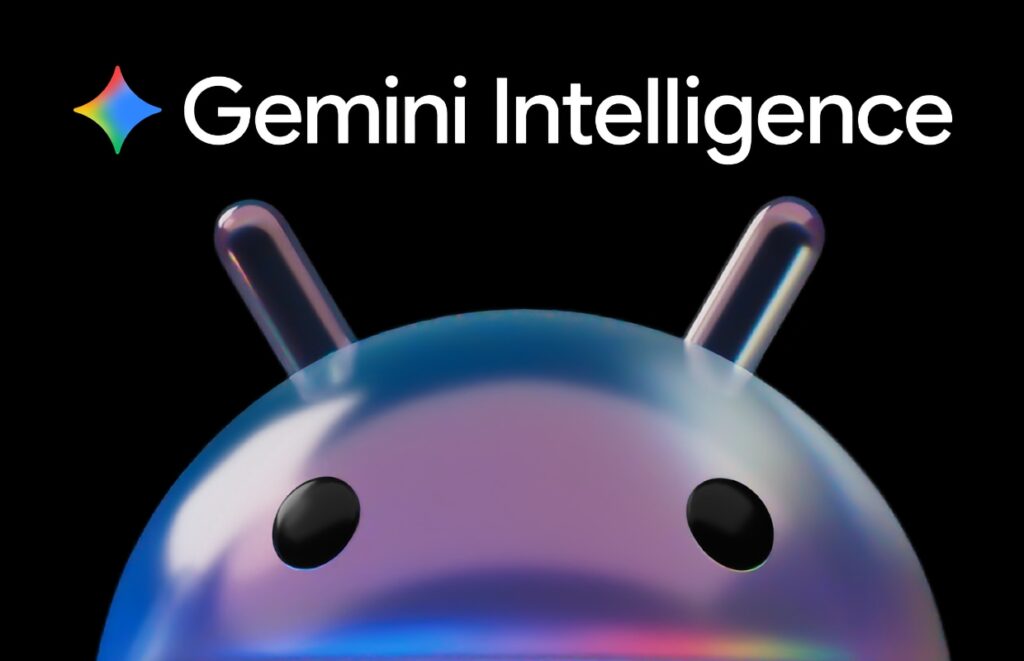
Gemini Intelligence (part of Gemini) will only be available on flagships
Why Hardware Now Matters More Than the System Version in Android
And here’s where the unpleasant part begins. In 2026, Google is devaluing Android updates in a new way — through strict hardware requirements. The prime example is Gemini Intelligence, a set of advanced AI features that received a lot of attention at the Android Show 2026 conference in May. Formally, it requires Android 17, but the version isn’t the only thing that matters.
What matters now is Google Play updates
Compare this to the past. When Google Now launched, it was available on all devices running Android 4.1 Jelly Bean. With Gemini Intelligence, it’s the opposite. To use it, a phone needs:
- a flagship processor
- at least 12 GB of RAM
- Android 17 and the Android AICore system module
- Gemini Nano version 3 or higher
- a minimum of five years of major Android updates and six years of security patches
How strict this is becomes clear when looking at real models. Among existing Pixels, only the 10 series qualifies, and the budget 10a doesn’t make the cut. For Samsung, only the S26 smartphones are on the list — meaning even the Galaxy TriFold at $3,000 won’t get what’s being called the biggest new Android feature in years. The same goes for OnePlus, Honor, and other manufacturers.
Which Smartphone to Buy in 2026
An unpleasant picture emerges for the average buyer. Against the backdrop of memory prices spiraling out of control and hardware costs rising overall, Google is making top-tier hardware a mandatory condition for Android’s best capabilities. It turns out that it’s far more rational to get something like a OnePlus 15 than a Pixel 10a.
A valid question also arises about long-term support. Seven years of updates mean little if the most interesting features aren’t included in them anyway. Even Pixel 9 owners are already left out of some new features, and there’s no guarantee that the same won’t happen with the Pixel 10 lineup.
The practical takeaway is this. If you use an Android smartphone and were worried about missing out on new features due to an outdated system version — relax: most capabilities will arrive through apps and the Play Store. Chasing a major Android update for the sake of new features makes little sense today. However, if advanced AI features at the Gemini Intelligence level are important to you, then it’s not the system version that matters, but flagship hardware — and you’ll have to pay extra for it.