The head of the Central Election Commission (CEC), Ella Pamfilova, at a meeting on June 15, 2026, acknowledged the possibility of internet and communication disruptions during elections. The official reason is citizen safety, and decisions on restrictions will be made on a case-by-case basis by the relevant agencies. The unified voting day is scheduled for September 13, and during these days, mobile internet shutdowns in certain regions are quite possible. What exactly will stop working and how to prepare your phone — we have already partially covered in our article about what and how the internet works in Russia in 2026.
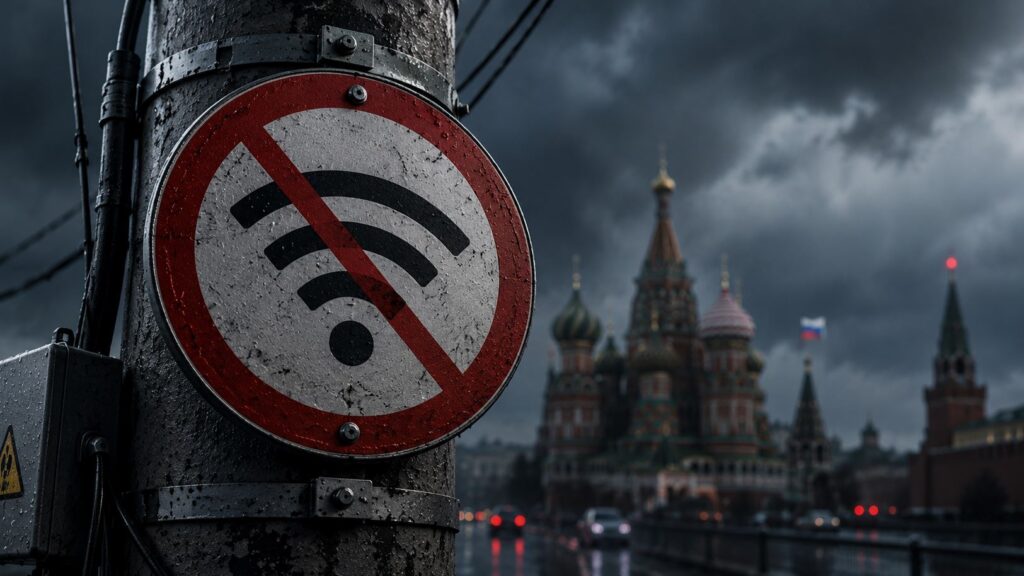
Russia may shut down communications again. When and for how long?
Will Communications Be Shut Down in Russia During Elections
The head of the CEC acknowledged that during voting, internet and communications may be shut down in certain regions. A specific list of regions was not announced in advance — decisions will be made on a case-by-case basis. According to Ella Pamfilova, people should remain calm about possible disruptions, as restrictions are being introduced for safety reasons.

Shutting down communications during elections is a forced measure
This has happened before: carriers sent SMS warnings about internet shutdowns in advance, mobile internet was restricted for several hours, and then restored. So the mechanism itself is not new for many regions — the only question is where and to what extent it will be used this time.
Last year during elections, DDoS attacks on “Gosuslugi” (Government Services) and the remote voting system were recorded, causing temporary loss of access to these services. Therefore, this time the CEC, together with the Ministry of Digital Development and carriers, has prepared additional measures: backup communication channels, enhanced traffic filtering, and Wi-Fi hotspots at polling stations. It is separately noted that remote electronic voting should work even when cellular networks are shut down, precisely through backup channels and Wi-Fi at polling stations.
What Works Under Whitelists
It’s important to understand the mechanics here. Internet whitelists are not about blocking individual websites but filtering all traffic, allowing only specific services through. Therefore, VPNs do not work in this situation: their traffic is also not on the allowed list and simply doesn’t pass through.
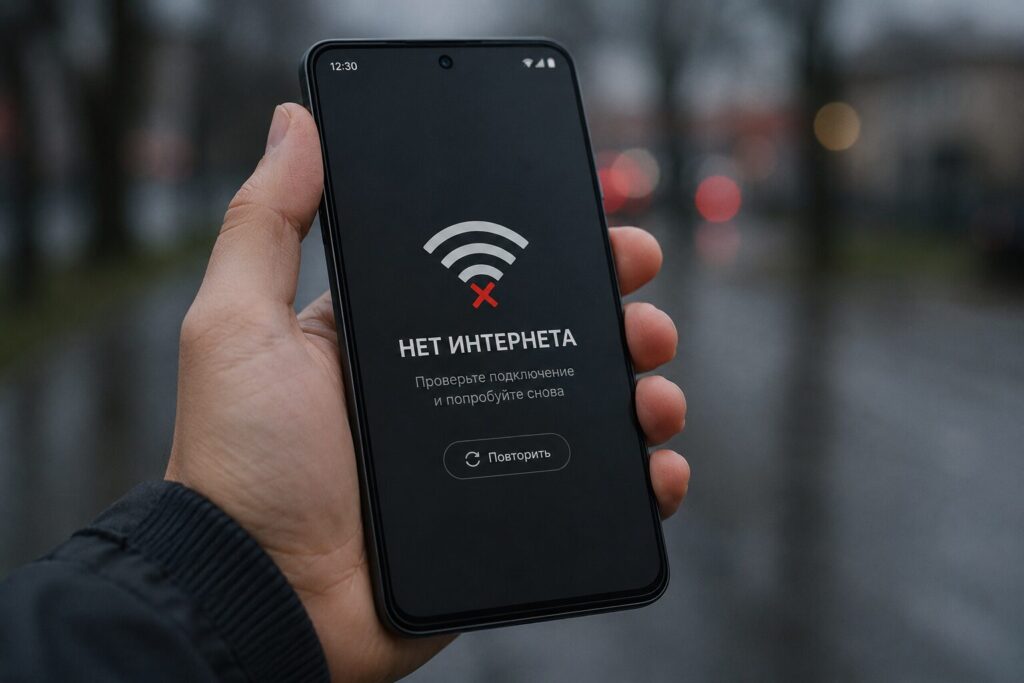
Western services will be unavailable under whitelists. As well as some Russian ones
Even under restrictions, some services remain accessible. Typically, the following work under whitelists: “Gosuslugi” (Government Services), payment systems and transfers through banking apps, regional medical appointment services, the MAX messenger as a government-approved service, as well as some Yandex and VK services. However, different carriers have different sets of allowed services, as there is no legislation regulating a common list of services for whitelists.
But there are important caveats. Yandex Search technically opens, but the websites from search results do not — they are not on the list. For contactless payments, only Mir Pay works, while SberPay and Yandex Pay stop functioning. On Android, push notifications also stop arriving because they rely on Google services.
How to Prepare Your Phone for Mobile Internet Shutdowns
Preparing your smartphone for communication shutdowns should be done in advance, and it significantly makes life easier. Don’t assume this will only happen in autumn — for many regions, this is already everyday reality. Here is a basic checklist in case whitelists are enabled or communications stop working entirely.

How to prepare for shutdowns, even temporary ones?
- Download offline maps, save needed routes in advance;
- Keep cash on hand — cards may not work;
- Bring documents, keep important files on a flash drive or PC;
- Charge your phone;
- Use MAX as a backup communication channel in case of shutdowns.
Whitelists are not a temporary measure with an end date but a permanent access management tool. On election days, restrictions are introduced selectively by region and for a specific period, after which communications are restored. So it’s better to meet the days of a phone without internet prepared rather than hoping everything will be fine. There’s no reason to panic, but being prepared certainly won’t hurt.