Apple has officially launched the M6 chip, and the Mac mini is the first device to feature it. But this is just the beginning of a broader rollout that will reportedly bring the M6 to several more Macs and iPads over the coming months. Here is the expected timeline, based on current rumors and reporting — including information attributed to Mark Gurman — covering which devices are in line for the new 2-nanometer chip and which notably are not.
What you need to know
- The M6 chip is built on a 2-nanometer process, which Apple says delivers significant gains in performance and energy efficiency.
- According to Mark Gurman, Apple is reportedly skipping M6 Pro and M6 Max variants entirely; the next high-end chips will be M7 Pro and M7 Max in 2027.
- The iPad Pro with M6 is rumored to include a vapor chamber cooling system for sustained performance in demanding tasks.
- The MacBook Ultra is expected this fall but will reportedly use M5-generation chips (M5 Pro and M5 Max), not M6.
M6 is already shipping in the new Mac mini
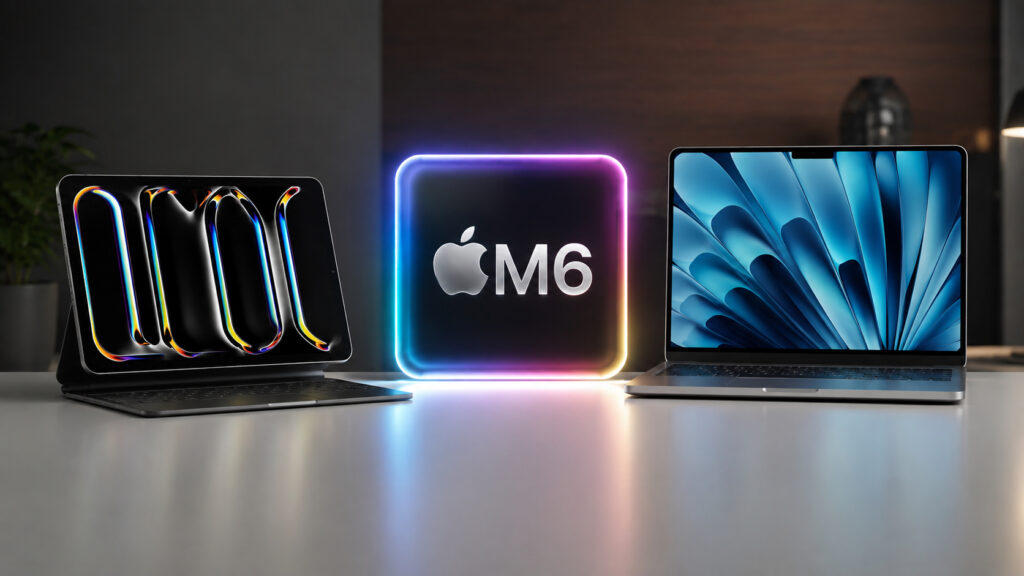
The first computer to ship with the M6 is the Mac mini, which went on sale this week. The M6 is built on a 2-nanometer process. Apple claims significant improvements in both performance and energy efficiency, and this manufacturing advance underpins all the benefits expected across the upcoming product lineup. For the desktop Mac mini, that primarily means a longer useful lifespan; for mobile devices further down the roadmap, it also promises better battery life.

It is logical for the M6 to debut in the Mac mini rather than a high-end laptop. The Mac mini is Apple’s most affordable desktop and is often the entry point into the ecosystem. Updating its chip is relatively straightforward, and demand for the model remains consistently high.
Fall 2026: MacBook Pro and iMac
The next M6-powered devices are rumored to arrive in fall 2026, most likely in October. Apple is reportedly preparing two new computers: the MacBook Pro and the iMac.
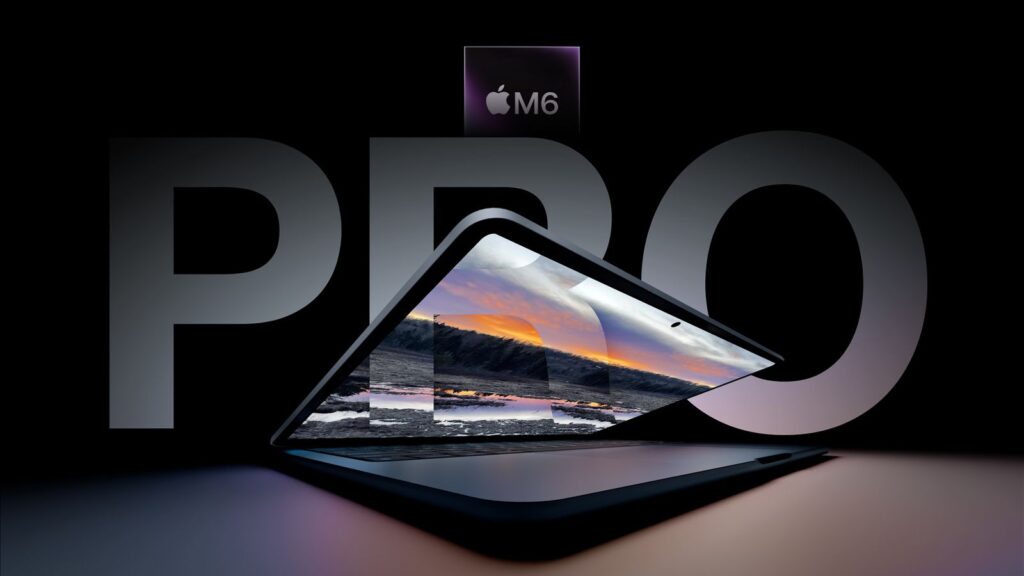
There is an important caveat with the MacBook Pro. According to Mark Gurman’s reporting, only the base 14-inch MacBook Pro will move to M6. Apple is reportedly skipping M6 Pro and M6 Max variants altogether. This means the higher-end Pro models will remain on previous-generation chips, and the next high-performance processors will be the M7 Pro and M7 Max, expected in 2027. For buyers who need a powerful MacBook Pro with a high core count, there may be little reason to rush into a purchase this fall.
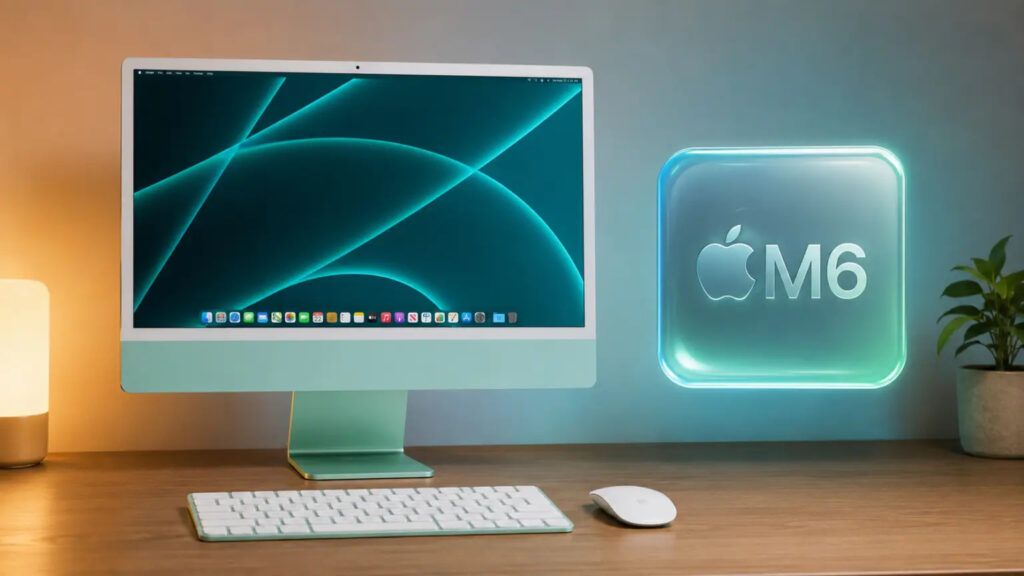
The iMac situation is reportedly more straightforward. No major changes beyond the new chip are expected — perhaps an updated color palette. However, the jump from M4 to M6 would represent a meaningful upgrade, particularly for users on older models. For a desktop that typically sits on a desk for years between upgrades, the gains in performance and efficiency from the 2-nanometer process could be substantial.
Spring 2027: iPad Pro and MacBook Air
In 2027, the iPad Pro and MacBook Air are rumored to transition to the M6. The iPad Pro was last updated in fall 2025 with the M5. If the update does arrive in spring 2027, it would fit the tablet’s roughly 18-month refresh cycle.
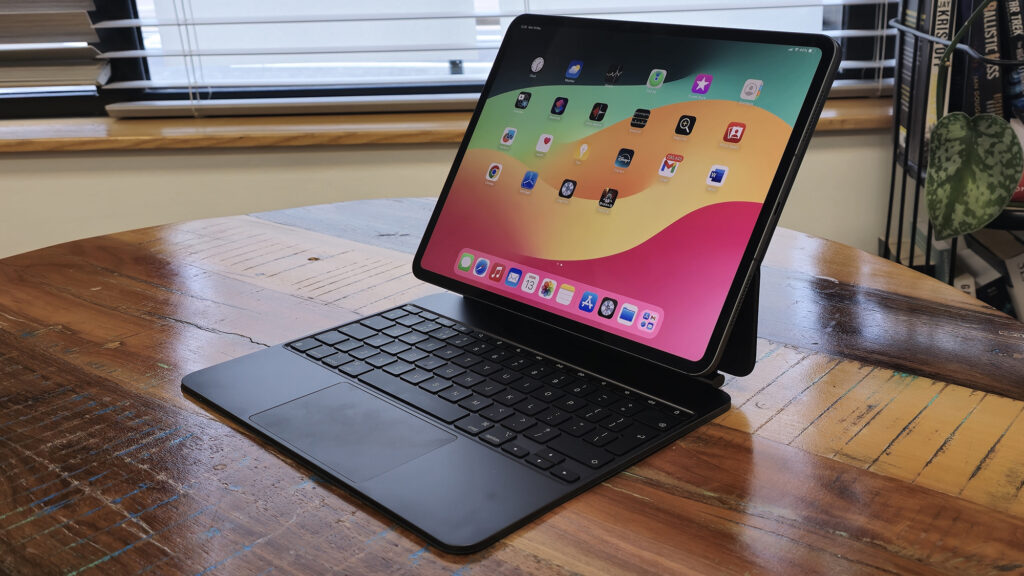
Beyond the new chip, the iPad Pro is rumored to gain a vapor chamber cooling system. This could be more significant than it sounds. In an ultra-thin chassis, thermal management is typically the bottleneck that prevents sustained high performance — the chip hits its temperature limit and throttles clock speeds. A vapor chamber should help the tablet maintain more consistent performance during demanding tasks like video editing or gaming.
The MacBook Air is expected around the same timeframe. Any window from February to April is possible, but based on past release patterns, March is the most likely month. No major design changes are anticipated; the chassis is expected to remain the same as the M5 model. An OLED display for the MacBook Air is not forecast until 2028 at the earliest, so the screen is also unlikely to change.
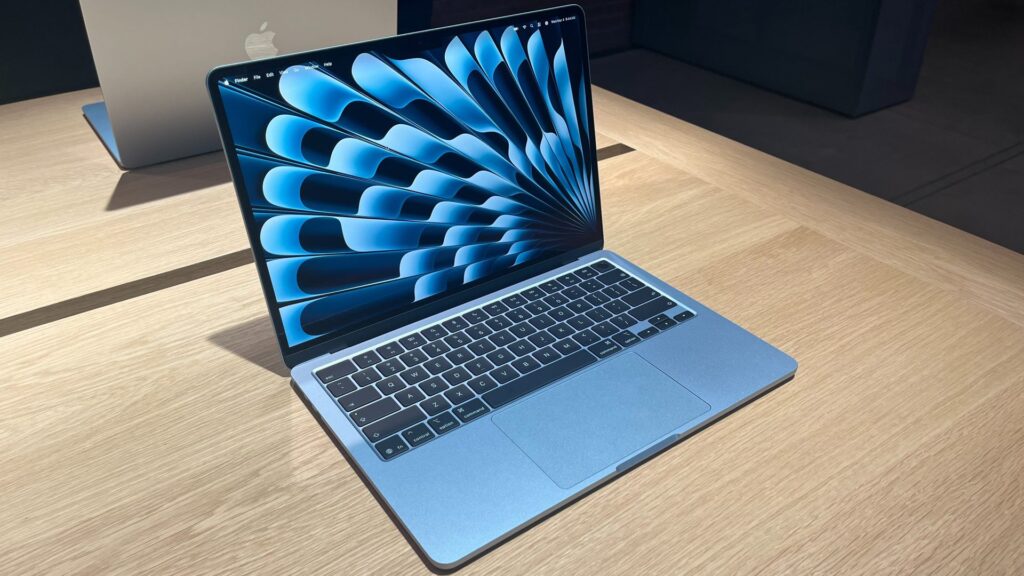
Both the iPad Pro and MacBook Air could see notable battery life improvements. The 2-nanometer process delivers not just speed but also efficiency, and for mobile devices, extra hours of battery life can matter more than a few percentage points in benchmarks. For a fanless thin laptop and a tablet, this may be the strongest argument for upgrading.
What is not getting the M6?
The MacBook Ultra is notably absent from the M6 roadmap. The new high-end laptop is also expected this fall, but it will reportedly run on M5-generation chips — specifically the M5 Pro and M5 Max. The logic mirrors the MacBook Pro situation: since Apple is reportedly not producing higher-tier M6 variants, the most powerful laptops will use the top processors from the previous generation.
This creates an unusual split in Apple’s lineup. The M6 in this cycle is positioned as the chip for mainstream and compact devices: Mac mini, base MacBook Pro, iMac, iPad Pro, and MacBook Air. Meanwhile, Apple’s truly heavy-duty machines remain on the higher-end M5 variants. While this division may seem unfamiliar, it has its own logic: mainstream models get the freshest and most efficient chip, while professional machines get maximum core counts from the previous generation.
For buyers, this means there is no single “just get the M6” recommendation. Those who prioritize raw power may be better served by the higher-end M5 models, while those who value battery life and the latest platform architecture should look at the M6 devices. It is important to note that all of these timelines — apart from the already-shipping Mac mini — are based on rumors and analyst reporting, and Apple has not confirmed them.