Apple has updated its App Store publishing guidelines and added stricter language against apps that, according to the company, “don’t add value” to the store. The company held a major presentation at WWDC 2026 and almost immediately afterward tightened its app requirements. Clones, template apps, and cookie-cutter creations are now in the crosshairs — and there have been especially many of them lately. For regular users, this means one thing: there should be less junk in App Store search results.
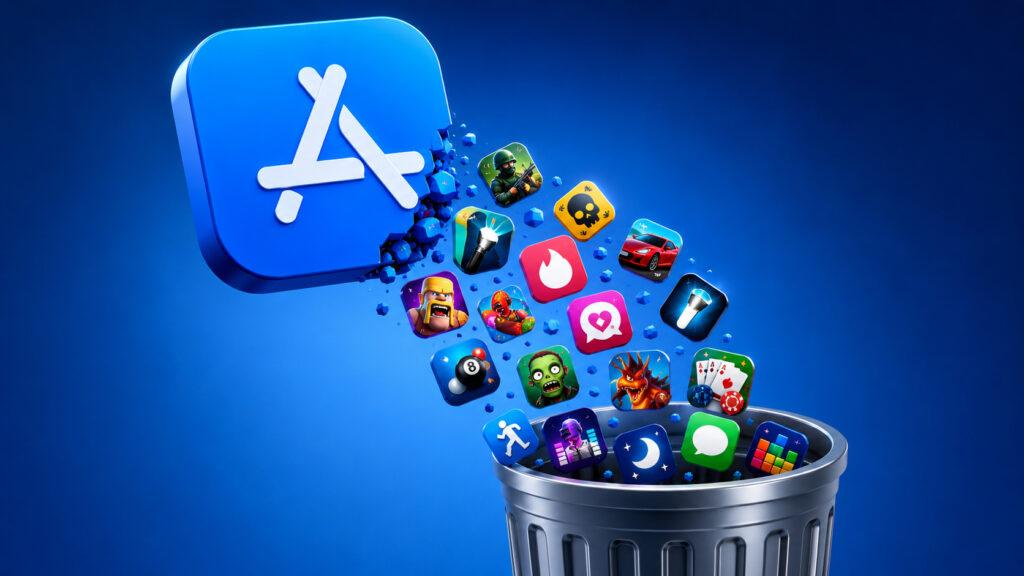
Apple is getting ready to thoroughly clean up the App Store
Why Apple Is Changing App Store Rules in 2026
At the WWDC presentation, Apple CEO Tim Cook noted that developers submit more than 1,000 applications every hour to the App Store. According to him, this shows how vibrant the store remains, especially now that the barrier to entry for app development is lower than ever.
But a low barrier has a downside. AI-powered tools have helped many people turn an idea into an app, but they’ve also made it easier to mass-produce primitive programs with minimal effort.
This isn’t Apple’s first step in this direction. Back in November of last year, the company updated its app review guidelines, adding several new restrictions, including a ban on copies of other apps. And a few months ago, reports emerged that the number of new apps in the App Store grew by 84%, creating additional strain on the review team.
Apps That Apple Will No Longer Allow in the App Store
Apple has tightened App Store rules against low-quality apps
The main change affected guideline 4.3(b). Apple explicitly prohibited submitting apps that are indistinguishable from what is already widely available in the store. According to the company’s wording, creating variations of popular apps worsens App Store search, reduces overall quality, and harms both users and developers.
Apple listed specific categories it considers long-established. New apps in these categories will no longer be accepted unless they offer a noticeably different or improved experience. The list includes:
- dating apps
- flashlights
- sound effects
- wallpapers
- simple timers
- fortune-telling and horoscopes
This doesn’t mean new services are shut out entirely. Genuinely useful programs easily pass review because they offer real functionality rather than copying others’ ideas. Moreover, Apple warned that it may remove such apps from the App Store if they aren’t updated, improved, or fail to attract users.
The company also singled out a category of very simple and low-quality programs — drinking games, Kama Sutra apps, and various “fart” and “burp” apps. Apple explicitly calls these apps as not adding value to the store, and repeated attempts may lead to the developer being expelled from the Apple Developer Program.
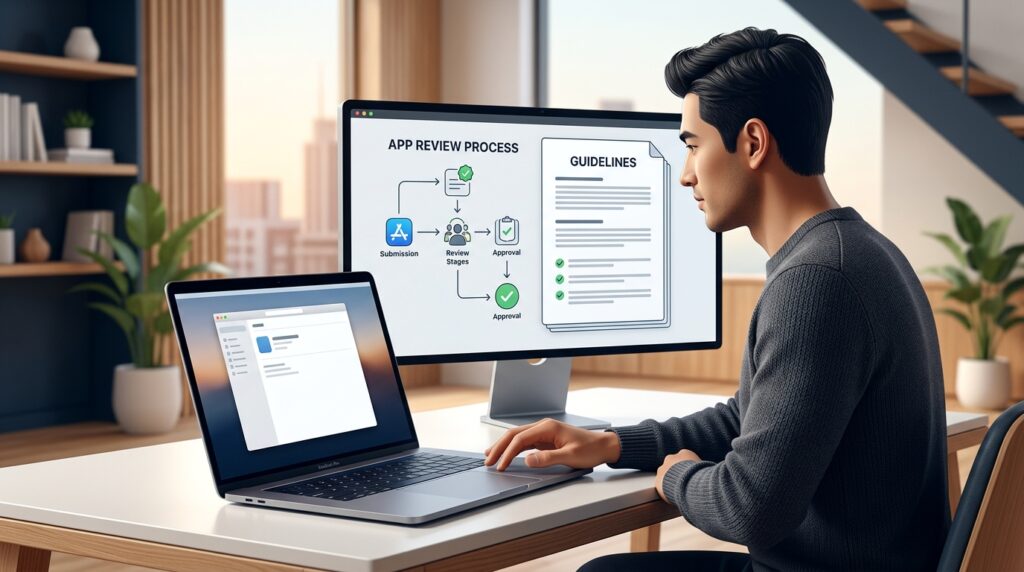
Each submission is reviewed by a real person — but the rules are now stricter
The updated rules affected more than just clones. Apple added new language for apps where content is created by users themselves — this applies to social networks, forums, chats, and review platforms.
The company also clarified rules for using Live Activities — notifications that update right on the lock screen and in the Dynamic Island. Sending spam through them is prohibited, as are phishing messages and any unsolicited notifications. This is a useful clarification: these pop-up messages are what most often irritate users.
How the New App Store Rules Will Affect iPhone Users
For most users, this is good news, though the effect won’t be immediate. Cleaning the store of identical flashlights, wallpapers, and primitive “joke” apps should make search cleaner and more intuitive. There’s less chance of stumbling upon an empty clone instead of a proper app.
Most likely, the new rules will remove all the unnecessary clutter from the app store
At the same time, it’s worth staying realistic. Each submission is still reviewed by a real person, but Apple is increasingly incorporating artificial intelligence tools into the process. According to the company, about 90% of submissions are processed within 48 hours, and the average review time is approximately a day and a half. This means some questionable apps will still slip through — the rules set the framework but don’t guarantee a perfectly clean store. If you’re looking for truly useful programs, focus not on a pretty icon in search results, but on reviews and real functionality.
What iPhone Users Should Do After the App Store Rule Changes
If you simply use an iPhone and download apps, you don’t need to do anything special — the changes are on Apple’s side and will make the store tidier over time. This news is most important for those who develop apps: template clones and low-quality creations now risk failing review, and repeated attempts could cost the developer access to the Apple program.
Everyone else can simply be glad that the App Store will have a little less useless noise.