Social media and news outlets are stirring up panic again: supposedly, WhatsApp* will stop working on millions of smartphones as early as 2026. Headlines are scary, readers nervously rush to check their phones, but in reality, everything is much calmer. Let’s figure out without panic who this actually affects and who can breathe easy.
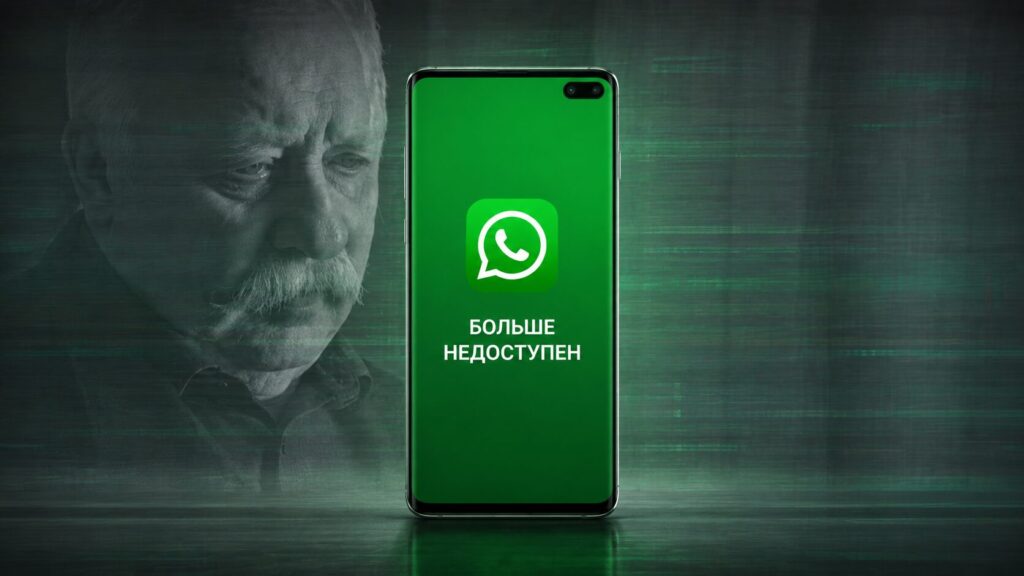
Here’s which devices will lose WhatsApp support in 2026
WhatsApp Will Stop Working — True or Not
The reason for the buzz is real but modest: the messenger’s team updated its help page and raised the minimum system requirements. Starting September 8, 2026, WhatsApp on Android will only work on Android 6.0 and newer. It sounds threatening, especially when the news is retold for the tenth time with the tagline “millions of devices at risk.” In practice, however, this is a routine annual review of old smartphone support that developers carry out regularly.
Only old smartphones are affected by the shutdown
But in fact, there’s nothing unusual: the company regularly drops support for outdated OS versions, since fewer people use them and maintaining them is expensive. It’s just routine cleanup — nothing to worry about. Especially once you find out which smartphones will lose WhatsApp support.
Which Android Smartphones Will Actually Be Cut Off
Now for the specifics, which is what this is all about. WhatsApp will be disabled on old Android devices: specifically, on Android 5.0 Lollipop and Android 5.1 — these are smartphones from approximately 2015 and earlier. Everything running Android 6.0 and above will continue to run the messenger as if nothing happened.
| Android Version | Status | Approximate Year |
|---|---|---|
| Android 5.0 / 5.1 | Disabled from September 8 | 2014-2015 |
| Android 6.0 and newer | Works without restrictions | 2015 and later |
The main catch for owners of old devices is that upgrading from Android 5.x is almost always impossible — the manufacturer abandoned such models long ago. But honestly: there are only a tiny percentage of active users left on these versions, and among our readers there are almost certainly none.
Does WhatsApp Work in Russia
There’s a separate story for Russia. WhatsApp* in Russia lived with restrictions for over half a year: calls barely went through, messages would hang. But recently the situation has noticeably improved — we checked, and the messenger really started working almost without restrictions. For now, though, it’s hit or miss: sometimes a call drops, sometimes a message arrives with a delay. Still, in practice it’s now more stable and convenient than Telegram, which lags worse for many people.
In Russia, the messenger is still blocked. But for some reason it works for some people
Important caveat: everything could change again at the regulators’ discretion, so it’s too early to make promises. With messengers in Russia, things are generally complicated.
How to Check Your Android Version and Update
To avoid guessing whether WhatsApp will work in 2026, check the system version on your own phone and those of your family members. Open “Settings,” go to the “About phone” or “System” section, and look at the “Android version” line. If it says 6.0 or higher — you can relax, the changes don’t affect you.
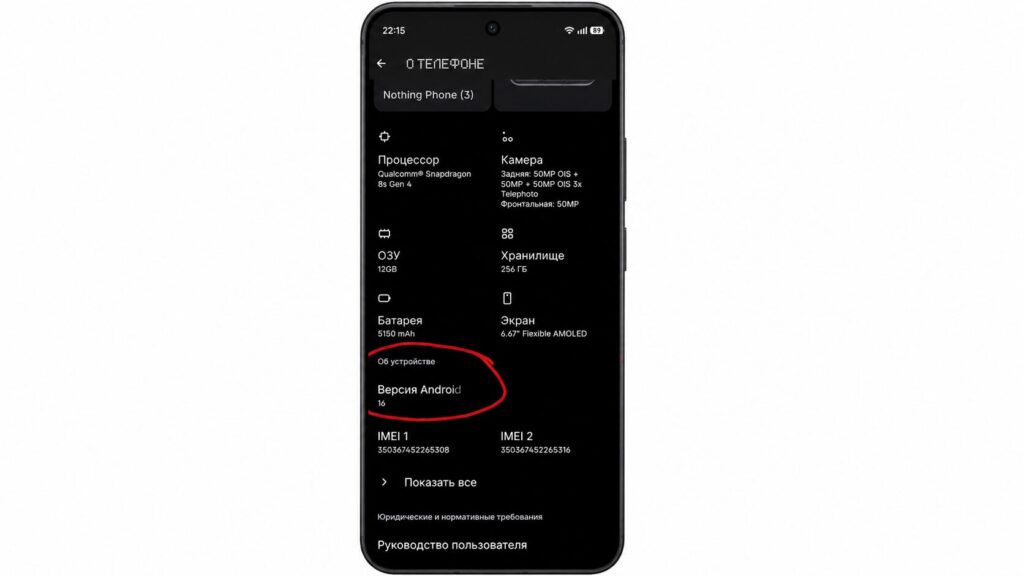
Check your Android version
If the version is lower, go to “Software update” and check for available updates. But on ancient smartphones, a fresh firmware update most likely won’t be available, and the only real option is to replace the device. Just don’t trust dubious “bypass instructions” from search engines: what looks like help often turns out to be a scam.
Should You Panic About WhatsApp Being Disabled
The conclusion is simple: there’s no reason to panic. Only a handful of old phones are affected, and a typical user’s WhatsApp* will continue to work without any action needed. This isn’t the “end of the messenger” — it’s a planned increase in requirements, of which there have already been many.
If your smartphone is truly so old that it’s losing support — perhaps this is a good reason to upgrade to something newer. And for those who love alarming news, let’s remind you: there are plenty of questions about the messenger even without this — for instance, Durov has spoken about WhatsApp’s dangers and alleged message leaks. So it’s worth keeping an eye on the app, but without unnecessary panic.
*WhatsApp is owned by Meta, which has been recognized as extremist and banned in Russia.