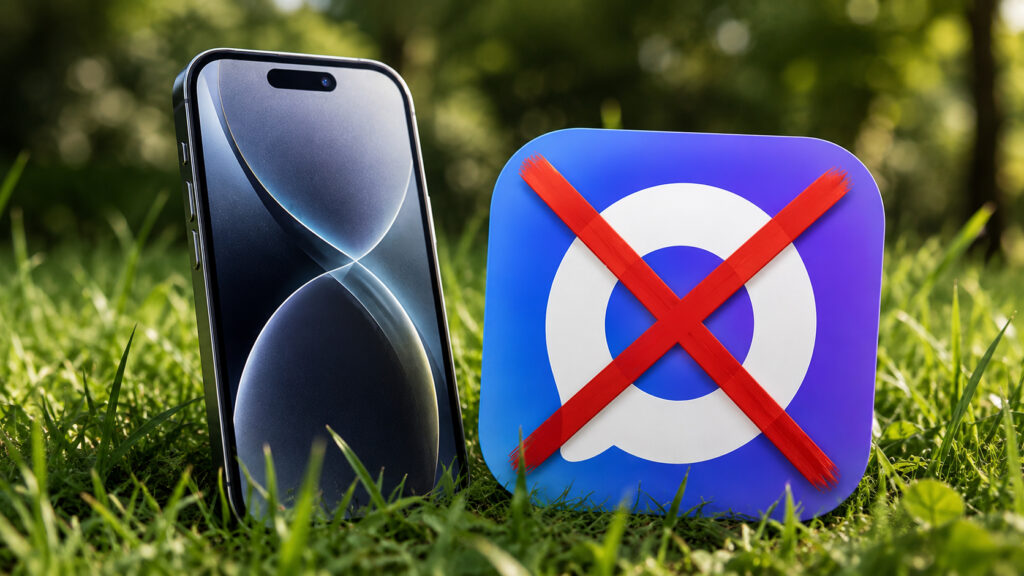
For iPhone owners, the relationship with MAX has been short and sad. The app was removed from the App Store back on June 3, push notifications broke shortly after, and now a new date has been added, after which things will get worse. The American certificate authority Let’s Encrypt is revoking MAX’s TLS certificate, which expires on September 4, 2026. At the same time, Belgian company GlobalSign is doing the same thing. Here’s what this means for those using Apple devices, and whether it’s worth worrying about at all.
The web version of MAX will apparently have problems soon
Why the MAX Web Version Will Stop Opening on iPhone
A TLS certificate is what hides behind the lock icon in the browser’s address bar. As long as it’s valid, Safari opens the site without issues. Once the certificate is revoked, the browser either displays a full-screen red warning or blocks access to the page entirely.
You’ll probably have to switch to Yandex Browser
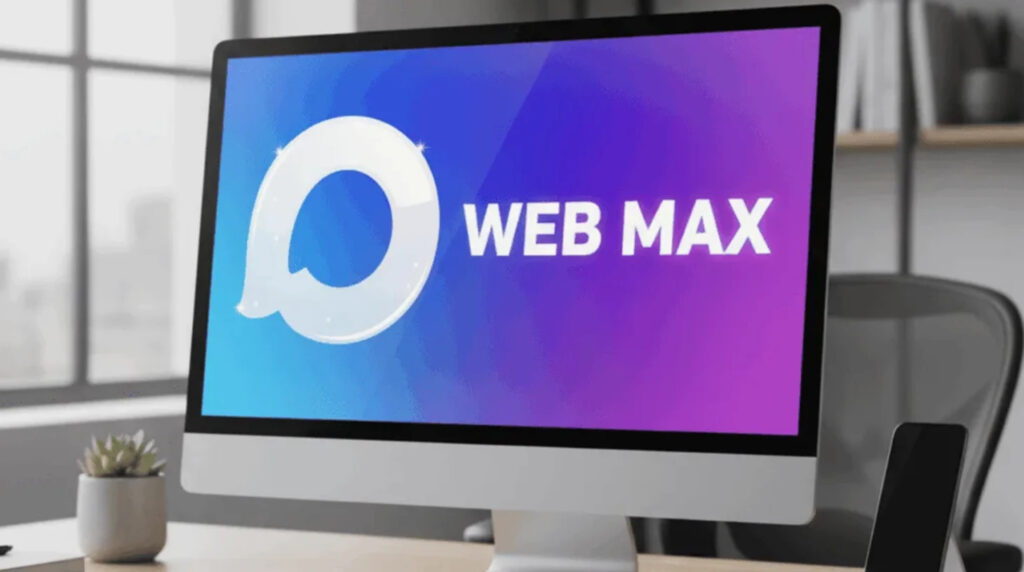
On September 4, this will happen to the MAX web version. Accessing max.ru through Safari on Mac or iPhone will become a problem: the system will determine that the connection is unsafe and block access. Those who used MAX on a computer through a browser will lose their convenient access point.
The phone app itself is not affected by this. The mobile MAX app works on its own protocols and doesn’t need the web certificate. Calls, messages, and channels exist separately from the website. So if you have Android and the app is installed, it will continue working as before after September 4. But iPhone users no longer have the app, and the web version was one of the few remaining ways to access the messenger from an Apple device. Now even this method is under threat.
What the Security Certificate Revocation Means for MAX
There will be problems launching MAX in foreign browsers
The reason isn’t that Western certificate authorities suddenly developed a grudge against the Russian messenger. It’s about sanctions. Let’s Encrypt is an American nonprofit organization, and GlobalSign is a Belgian company. Both are subject to sanctions regimes and are not allowed to service entities on blacklists. This is an automatic procedure, not a political gesture in the vein of “we’re against MAX.” This is exactly how Russian banks and services lost their certificates between 2022 and 2024. MAX has simply reached its turn in line.
An important nuance: this is not a block in the traditional sense. Nobody is flipping a switch. Western infrastructure simply stops servicing the service, and it gradually falls out of the global internet. This is why Russia has its own certificate authorities, including the Ministry of Digital Development’s center. Theoretically, MAX could migrate to a Russian certificate. Yandex Browser would accept such a certificate. But Safari and Chrome won’t recognize it, which means that for iPhone and Mac owners, the web version will remain inaccessible anyway, even if the migration takes place. Or you’d have to switch to Yandex Browser just for MAX.
What MAX Restrictions Are Already in Effect on Apple Devices
If you lay out the timeline, it’s clear that Apple has become the most inconvenient environment for MAX:
Cloudflare flagged the max.ru domain as spyware (the label was removed within a day, but the damage was done). Apple removed the MAX app from the App Store on June 3, 2026 — the official reason is sanctions, and there’s no return in sight. HUAWEI hid MAX in AppGallery outside of Russia. And now two independent certificate authorities are revoking the TLS certificate.
This is not a chain of coincidences but a systemic picture. MAX is being systematically pushed out of Western infrastructure. And iPhone owners felt it first. While Android users can calmly install the app from RuStore or download the APK, owners of Apple devices no longer have an official installation path. The App Store is closed, and the web version will soon break.
Why MAX Notifications Don’t Work on iPhone
A separate pain point is push notifications. On iPhone, they died immediately after the app was removed from the App Store. Push notifications on Apple devices go through the Apple Push Notification service, and without an updatable app in the store, they simply don’t arrive. So even if you somehow still have MAX on your iPhone from before, you only see messages when you manually open the app.
The lack of notifications is the messenger’s biggest problem
On Android, the same threat looms overhead but hasn’t materialized yet. Notifications there go through Firebase from Google, and if Google ever disconnects MAX from Firebase, the story will repeat itself. The iPhone precedent shows that this is a real scenario, not a scare tactic.
In short: MAX was conceived as a government messenger for the domestic market, not as a global competitor to Telegram. It handles the task of working within Russia and will continue to do so through Android, RuStore, and APK files. But on Apple devices, it has long ceased to be a fully functional tool. There’s no app, no notifications, and the web version is living out its final months. If you’re on iPhone and were thinking about whether to install MAX, the honest answer is: you won’t be able to use it fully, and the situation will only get worse in the near future.