7 wild laws in other countries you didn’t even know about
When preparing for vacation, we usually check visa requirements, exchange rates, and weather. But few people look into local laws — and they should. Different countries around the world have bans that sound like jokes, but violating them can actually result in a fine. Ordinary things like packing medications in your suitcase or strolling along the waterfront in a swimsuit can lead to hefty fines, confiscation of belongings, and even arrest. Here are seven such laws that are useful to know before you find yourself at the airport.
Which medications are banned from being brought into Japan
Bringing a pack of Tylenol, Sudafed, or NyQuil to Japan means breaking the law. Japan’s Pharmaceutical Affairs Law prohibits the import of many over-the-counter medications that are sold without a prescription in any pharmacy in Russia, the US, or Europe. Popular decongestants, allergy medications, and even some prescription drugs for ADHD and depression fall under the ban.
A doctor’s prescription or medical certificate won’t help — the drug is still considered illegal. If such pills are found in your luggage, even if accidentally forgotten, it can lead to detention. And if you see similar medications being sold within Japan, it’s most likely a black market.

A pack of Tylenol Extra tablets with box.
Before traveling to Japan, it makes sense to check the list of prohibited substances on the embassy’s website and, if necessary, find permitted alternatives in advance.
Why you can’t sit on the Spanish Steps in Rome
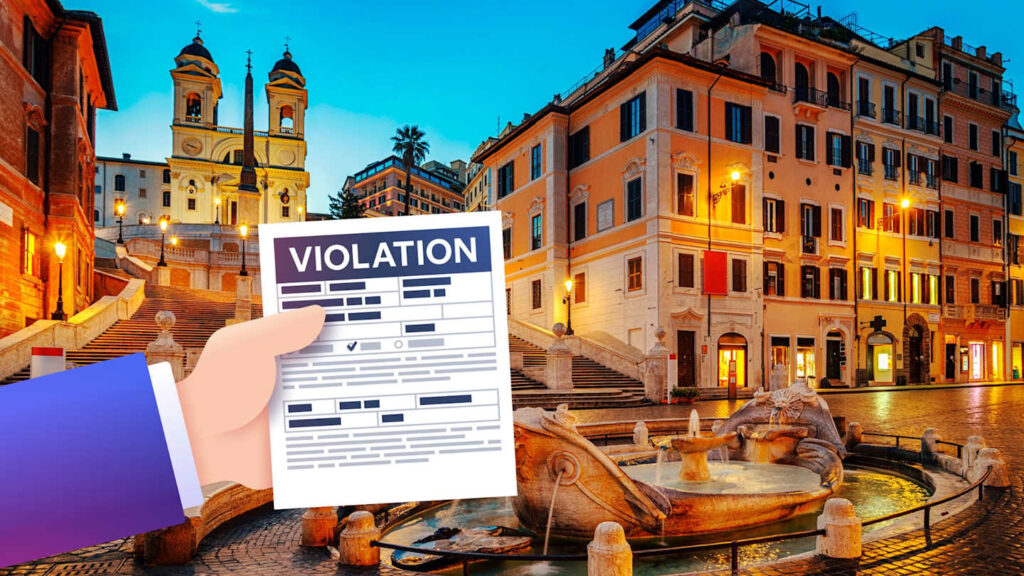
The Spanish Steps are one of the most photographed landmarks in Rome. But since 2019, sitting on the steps has been prohibited. The reason is prosaic: crowds of resting tourists created such bottlenecks that it became difficult to simply walk up the stairs.

Spanish Steps, Rome.
However, Roman authorities act gently. First, you’ll hear a whistle and a polite request to stand up. A fine of 170 to 420 euros (approximately $185 to $460) is only imposed on those who refuse to comply. So if you want to take a break, it’s better to find the nearest café — you’ll get a coffee out of it too.
You can get fined for kissing in the UAE
The United Arab Emirates is a popular vacation destination, but local laws on public behavior can be surprising. Article 411 of the country’s criminal code classifies public displays of affection as an “indecent act.” Holding hands is acceptable, but hugging and kissing in public places in the UAE is illegal.

In the UAE, holding hands is acceptable, but nothing more
Violators face fines of up to $270 and even imprisonment. This is not an empty threat: in 2010, two British nationals who greeted each other with a kiss on the cheek were jailed for a month. The law applies to everyone — both citizens and tourists.
Why camouflage is banned in the Caribbean
Clothing often gives away a visitor: sometimes the color of a jacket or inappropriate shorts are enough for locals to immediately recognize a typical tourist. But if you’re a fan of camouflage, it can turn out badly in the Caribbean. In Jamaica and several other Caribbean countries, wearing clothing with a camouflage print is prohibited by law.
The reason is practical: military and police uniforms in these countries feature camouflage patterns, and civilians in similar clothing create confusion. The fine for violation can reach $2,000, and you may be asked to remove and surrender the clothing on the spot. So it’s better to leave your favorite camouflage T-shirt at home if you’re flying to the Caribbean region.

On Caribbean islands, it’s better to choose bright clothing instead of camouflage
Why feeding pigeons is banned in Vienna
Since 2014, Vienna has had a law prohibiting the feeding of pigeons. The Austrian capital faced a serious bird overpopulation problem: feeding by residents and tourists caused pigeons to breed faster than usual, and leftover food attracted rats.
The fine for violation is about 36 euros (approximately $42). The amount is small, but the law serves another purpose: human food is harmful to the birds themselves. So by refraining from feeding them, you’re protecting both your wallet and the pigeons.
Why you can’t walk in a swimsuit in Barcelona
In Barcelona, it was once common to stroll from the beach to a restaurant in a swimsuit or swim trunks. But since 2011, the city council has banned appearing in beachwear outside the sandy strip. A swimsuit or swim trunks on the streets of Barcelona are considered a violation of public order.
The scenario is the same as with the Spanish Steps in Rome: first a warning, and if the tourist refuses to put something on over their swimwear — a fine of $140 to $580. The rule applies throughout Spain, not just in Catalonia.

In Barcelona, a swimsuit is only appropriate on the beach — on the streets you can be fined for it
Why you can’t take Buddha out of Thailand
Bringing a wooden Buddha figurine, a poster, or a piece of jewelry with his image from Thailand seems like the most natural souvenir. But Thai law requires written permission from the authorities to export items depicting Buddha — whether it’s wood carvings, jewelry, or even posters.
Without such permission, items are confiscated right at the airport. In addition, violators face a hefty fine, and in some cases — imprisonment. The law is especially strictly enforced for religious antique items.