
Surprisingly, avocado wasn’t always such a popular product and everyone lived just fine without it
Avocado, coconut milk, blue matcha, and other unusual products have long become symbols of a successful and healthy lifestyle. And they all cost a lot of money. Sometimes the price of these products exceeds the cost of pistachios, even though the high price of those nuts is quite justified. But are we being deceived? Could it be that we’re simply overpaying for trendy products?
How Avocado Became a Symbol of Healthy Eating
The most vivid example of how marketing changes our habits is the story of avocado. Just a few decades ago, it was a little-known product with the unappetizing name alligator pear that few people bought. Producers needed to solve several problems at once: how to get people to eat a non-sweet fruit with a slippery texture and a confusing name.
The solution came in two steps. First, the alligator pear was renamed to the simple and pleasant word avocado. Then the trend for healthy fats arrived, and diets emerged where fat transformed from an enemy into a desirable product. Healthy fats became incredibly popular, and avocado fit perfectly into this trend.
And what do we see now? Avocado is eaten by all proponents of healthy eating, who enthusiastically talk about its beneficial properties. If in the 1990s the average American consumed about 2.2 kg of this fruit per year, by 2012 sales had grown fivefold. All of this was reported by the authors of Forbes Life.
Why People Love Avocado
Avocado is indeed healthy because it contains many vitamins, fiber, no sugar, and has “good” fat. But it’s easy to forget behind the trend that any product has its nuances. Due to its high fat content, even though it’s unsaturated, overeating avocado can lead to weight gain.
Despite this drawback, avocado continues to gain popularity. In Moscow, entire restaurants and bars are dedicated to this fruit. It’s no longer just a product but a lifestyle, and people are willing to pay big money for this symbol.
Why Plant-Based Milk Rose in Price and Spread So Quickly
Remember 2007? Did any of your friends drink coconut or other alternative milk? I don’t recall that either.
Back then, the choice was limited to soy and rice milk, and even those were hard to find. Today everything is different, and stores offer almond, coconut, oat, and other types of plant-based milk.
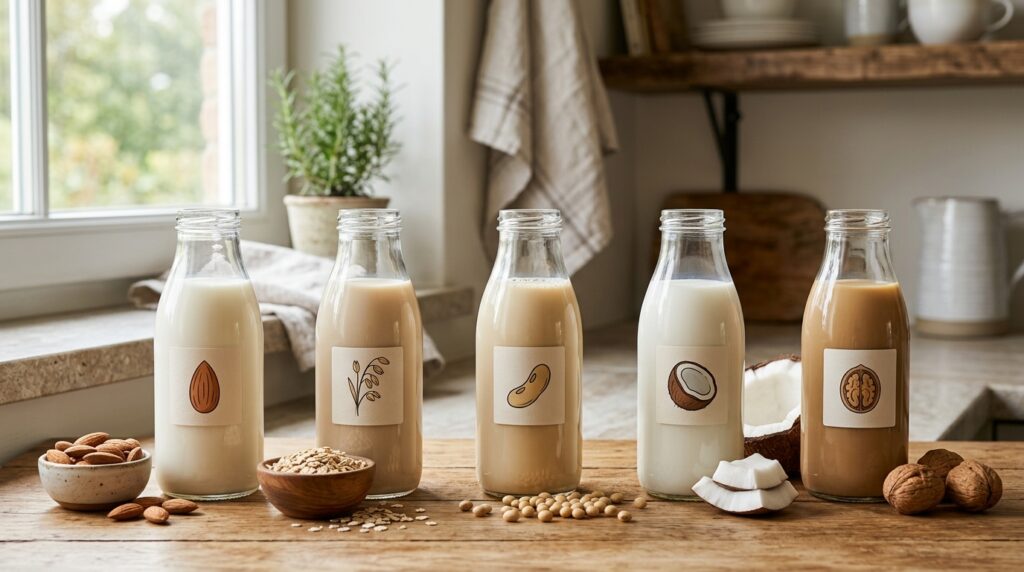
Today the selection of plant-based milk is huge — from almond to oat
The revolution happened alongside a wave of interest in healthy living. The reputation of cow’s milk was shaken, and consumers began looking for alternatives. Social media played a huge role, as celebrities urged people to give up everything processed and allergenic.
The Secret Behind Matcha Tea’s Popularity
It’s also worth discussing colorful superfoods, where the main selling point is not taste or health benefits, but the color for a beautiful photograph. The most telling example is blue matcha. For many, this will come as big news, but it has nothing to do with tea. In reality, it’s ground butterfly pea flowers that simply carry a similar commercial name.
It’s valued for its ability to turn a drink a rich dark blue color, and with the addition of lemon — purple. There is no stimulating effect in the drink, and the taste is barely noticeable, herbaceous. Essentially, we’re paying for an unusual shade in our cup that looks great in a social media feed. Today, a blue latte can be ordered even in major coffee shop chains.
The same applies to other vibrant products. Blue spirulina is expensive precisely because there is very little of the needed pigment in the algae — about 1.5%. Purple sweet potato and pink pitahaya are loved for their bright color, which neither beets nor strawberries can match.
These products do have health benefits, but the main reason for their popularity is still their appearance. It’s important to remember that many of these trendy powders are not food but supplements, and they can have contraindications and cause allergies.
Are Superfoods Really Healthier Than Regular Food?
Is it worth overpaying for avocado, matcha, and other superfoods? Experts believe that most often the answer is no. Their price is determined not by health benefits, but by packaging, ecological pretentiousness, and a good photo for social media. The product itself may be beneficial, but its ordinary counterpart often provides almost the same thing for less money.
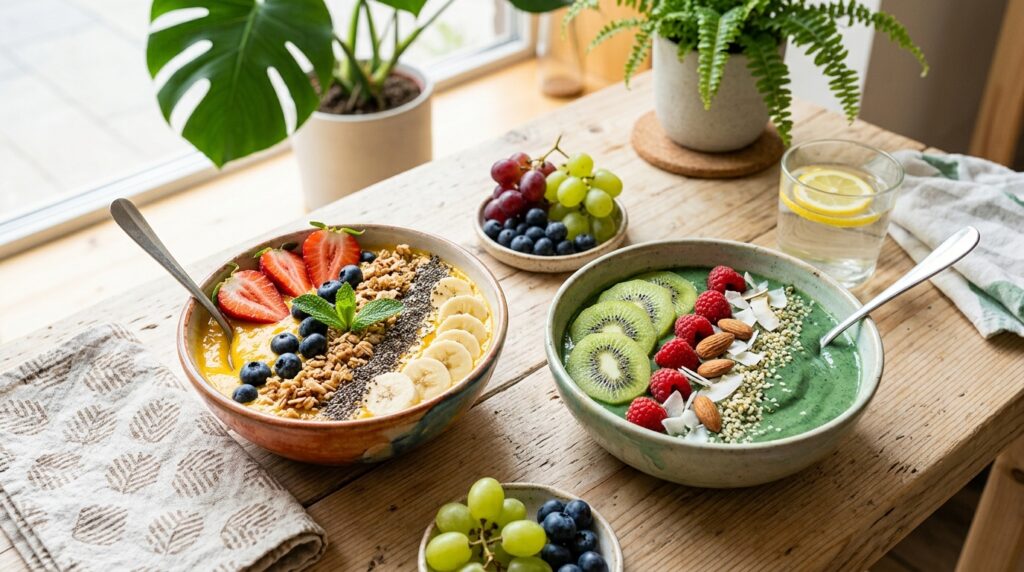
Bright smoothies are popular primarily because of their photogenic appearance
If you want to save money, there’s a simple logic. Here’s what to pay attention to:
- Healthy fats can be obtained not only from avocado but also from nuts, olive oil, and fatty fish;
- Plant-based milk makes sense for lactose intolerance, but for a healthy person, cow’s milk is cheaper and provides more protein;
- Behind colorful powders like blue matcha is primarily an eye-catching shade, not unique health benefits;
- Labels like Vegan or Organic are marketing, not a guarantee that the product is healthier.
Each of us needs to learn to distinguish real benefits from attractive packaging. Developing the habit of reading ingredients and not blindly following trends helps with this.
How to Avoid Overpaying for Avocado and Matcha
Understanding how food trends work already saves money in itself. The story of avocado shows that a product can become a star not because of unique properties, but thanks to a well-executed PR campaign and a catchy name. Social media turns food into a status symbol, and we pay not for taste but for belonging to a trend.
This doesn’t mean you should give up trendy products entirely. Avocado is tasty and healthy, plant-based milk is a lifesaver for allergies, and a bright smoothie lifts your mood. It’s just important to remember that the price of a trend rarely equals its actual benefit.