Russian apps are increasingly restricting VPN usage. And this is only part of the bigger picture. VPN in Russia is being systematically pushed out on all levels: from payment infrastructure to servers being blocked in the country. Now a new round of restrictions is on the agenda. Let’s figure out what’s happening with virtual private network payments: are they even allowed in principle?
What are the consequences for paying for VPN in Russia?
Why VPN Services Are Pushing Subscriptions
Recently, many users have been receiving emails and notifications from services offering to sign up for a VPN subscription for two to three years at a big discount. The reasoning is standard: payments will be blocked soon, so buy now while you can.
According to “Code of Durov”, there are two completely different stories behind this:
- some services are genuinely preparing for a worsening situation and are trying to collect funds in advance;
- others are using a classic marketing technique: artificial hype to stimulate sales, having nothing to do with real threats.
It’s virtually impossible to tell one from the other based on a promotional email. Major Russian payment systems, including Yookassa, stopped servicing such services over a year ago. Paying for VPN by card through Russian payment processors has been formally unavailable since then, but the industry has adapted: transactions are processed through intermediaries and entities that are not officially associated with providing such services.
Is VPN Payment Allowed in Russia?
There is no direct law in Russia that prohibits individuals from paying for a VPN subscription. Formally, users don’t break the law by paying for a subscription. However, the infrastructure for doing so is becoming increasingly limited.
VPN usage in Russia is being systematically restricted
Paying for VPN through Russian bank cards is practically difficult: major domestic payment processors refuse such transactions. Foreign payment systems remain available, but their accessibility in Russia is unstable.
A separate question concerns permitted VPN. The government allows the use of corporate solutions that comply with Russian legislation and do not provide access to blocked resources. Legal VPN from RuStore is exactly this type of format. For the average user, this means that legal VPN in the Russian sense and a typical commercial service are fundamentally different things.
VPN Ban in Russia in 2026
The situation is changing not through payment bans but through infrastructure restrictions. Upcoming amendments to the “Antifraud 2.0” bill will require Russian hosting providers and data centers to independently identify and disconnect servers used to provide such services. This is a fundamental change: currently, hosting providers act as technical intermediaries and bear no responsibility for what is hosted on their servers. After the amendments are adopted, they become controllers and are required to carry out preventive blocking.
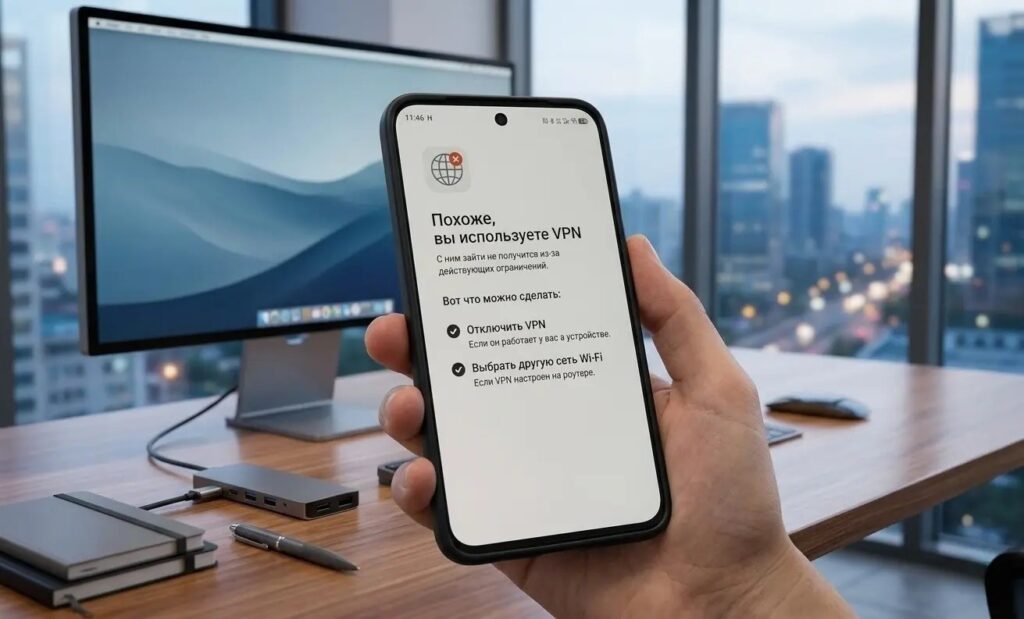
Even apps are blocking VPN
VPN blocking in Russia in this scenario happens not at the user level but at the server infrastructure level. According to industry participants, this is more effective than any payment restrictions: hitting the servers means the app simply stops functioning. And the reasons why VPN doesn’t work in Russia will only grow over time.
Should You Get a VPN Subscription?
An anonymous source from “Code of Durov” who is among service owners directly advises against buying long-term subscriptions. The reason is simple: if VPN is blocked at the hosting level all at once, the service stops working immediately and completely, and no one will refund your money.
The situation with VPN in Russia in 2026 is developing rapidly, and predicting it a year or two ahead is impossible. Before subscribing, there are several things to consider:
- a short-term subscription is wiser than a long one;
- the VPN ban law in its current form primarily regulates the services themselves, not users, but the situation may change;
- the ban on VPN usage is de facto implemented through infrastructure blocks that don’t require a separate law targeting specific individuals.
A VPN that works in Russia today may not work tomorrow — not because the user was blocked, but because the service itself disappeared from the hosting provider’s servers. That’s exactly why a VPN payment ban isn’t the main threat. The main threat is that there will simply be no one left to pay.