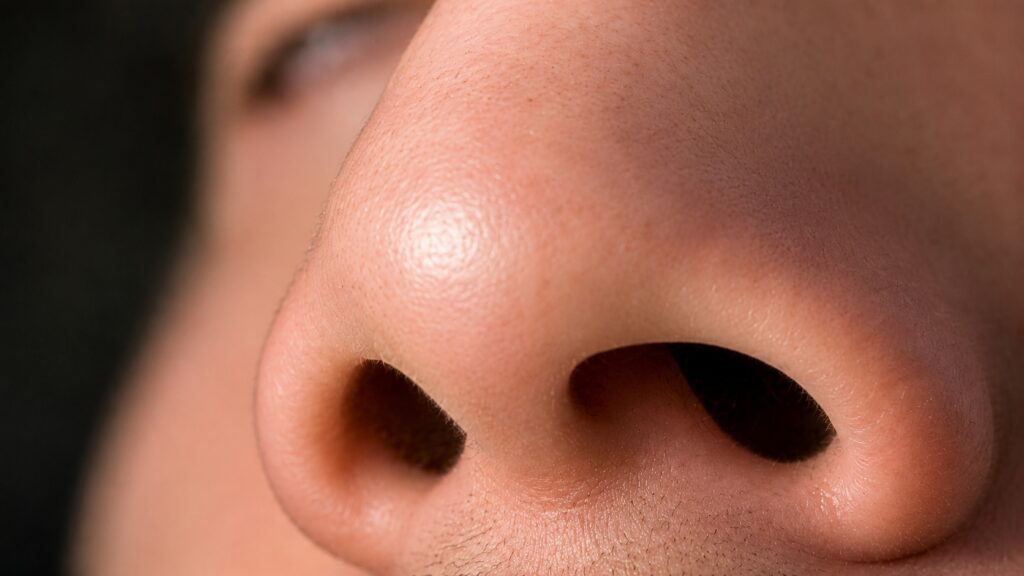
Snot is an unpleasant thing, but without it we would live much worse
Snot and boogers are something we find disgusting, so even these words make us want to cringe and look away. However, if you look into it, nasal mucus is actually a very useful tool of our body. Thanks to it and the hair growing in our nostrils, the nose works as a powerful filter and catches everything unnecessary that we breathe in. Let’s put squeamishness aside and find out what exactly nasal discharge is made of and what it’s for.
What nasal mucus is made of
You’ll be surprised, but the main component of snot is plain water. In normal nasal mucus, it makes up about 90–95%. That’s why fresh snot is liquid, transparent, and slippery. The rest of nasal mucus consists of proteins, salts, enzymes, antibodies, fats, and molecules that give it thickness.
In other words, snot isn’t just extra fluid that appeared out of nowhere. It’s produced by the nasal mucous membrane, or more precisely, by goblet cells and mucous gland cells. It’s a well-designed mixture where each component has its own task.
Interesting fact: in scientific terms, snot is called muconasal secretion.
Why snot is sticky
The stickiness of snot is thanks to mucins. These are large molecules that turn water into a gel. Thanks to them, mucus doesn’t just drip down but sticks to dust, pollen, bacteria, viruses, smoke particles, and dirt. Or rather, all the debris sticks to it.
Imagine a sticky fly trap, only in liquid form and inside your nose. Mucus works as a hydrogel rich in glycoproteins. It protects tissues, lubricates surfaces, and helps remove disease-causing microbes and debris from the body. So snot isn’t waste — it’s expendable material in our body’s filtration system. And this filter works perfectly in both nostrils.
How snot protects us from microbes
Besides water and mucins, snot contains sodium, chlorides, potassium, calcium, and other electrolytes. They’re needed not for taste but for proper mucus viscosity, cell function, and water movement through the nasal membrane.
Nasal mucus contains lysozyme, lactoferrin, and secretory IgA. Lysozyme destroys bacterial cell walls, while lactoferrin binds iron and prevents microbes from multiplying. Antibody IgA works separately, binding microorganisms and preventing them from attaching to the nasal walls.
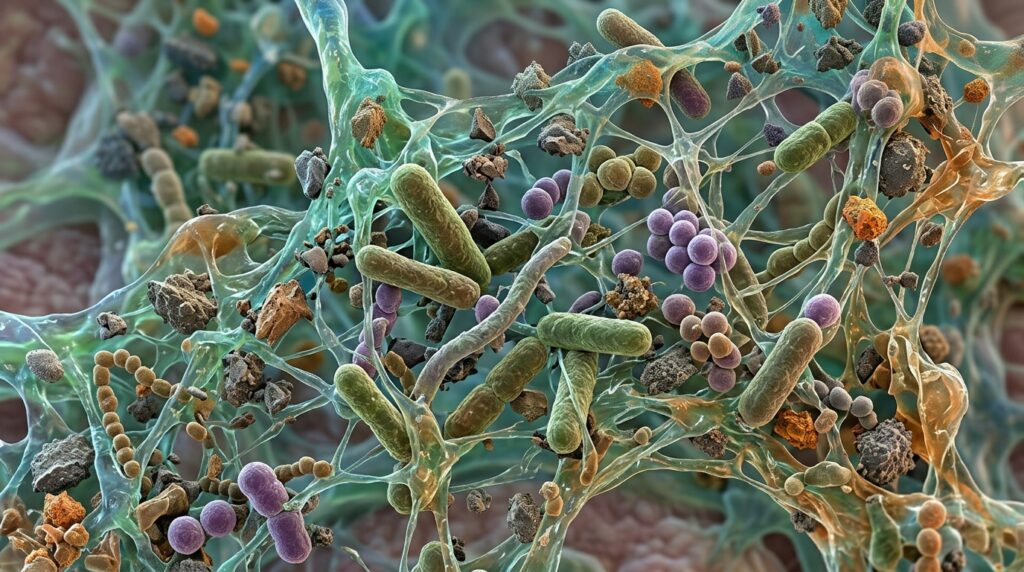
Microbes and dust particles get trapped in the sticky layer of mucus
When the body fights an infection, immune cells, remnants of destroyed microbes, and cellular debris are added to the mucus. That’s why snot becomes thicker and more noticeable during illness — it’s the visible result of an internal war.
What the human nose filters
Literally everything you breathe in through your nose settles in your snot. The list is impressive:
- dust and household dirt;
- plant pollen and mold spores;
- bacteria and viral particles;
- smoke particles and soot;
- animal hair and skin flakes.
Nasal mucus filters what a person breathes in through the nose, including dust, allergens, and microorganisms. Then cilia — microscopic hairs on the cells of the mucous membrane — take over. They move mucus either toward the front of the nose or back toward the throat.
Why boogers become hard
A booger is the same nasal mucus, only dried out. When the air takes away some of the water from snot, a dense clump remains. It’s gross, but children eat them, and there’s a scientific explanation for this.
The composition of a booger is roughly as follows:
- mucus that has lost some of its water;
- mucins that have become dense and sticky;
- salts and proteins that concentrated during drying;
- dust, pollen, microbes, and smoke particles;
- dead mucosal cells;
- sometimes a bit of blood if the mucous membrane has dried out or cracked.
Essentially, boogers start as mucus made of water, proteins, and salts, and then simply dry out. The drier the air around you, the faster and harder these clumps form, which is why in winter with heating on, the nose gets “clogged” especially actively.
Why snot comes in different colors
The color of snot is a kind of indicator of what’s happening inside the nose.
Let’s break it down:
- Clear and runny — normal, cold weather, allergies, or the beginning of a cold. Just a lot of watery mucus;
- White and thick — the mucous membrane is inflamed, the nose is congested, there’s little water. There are relatively more proteins and mucins, hence the thickness;
- Yellow and green — the immune system is actively working;
- Red or brown — blood mixed in from dryness, nose-picking, or forceful blowing.
An important note about the green color. It appears not because of the bacteria themselves but because of immune cells. The yellow tint comes from white blood cells arriving at the site of infection or inflammation.
And here it’s worth debunking a popular myth. Green and yellow snot are not a reliable sign of specifically bacterial infection. Viral and bacterial upper respiratory tract diseases can produce the same color. So green snot alone is not a reason to rush for antibiotics.
Black snot can occur with heavy exposure to smoke and soot, and sometimes with fungal infections in people with weakened immune systems. In such cases, it’s better to focus not on the color but on how you feel and your symptoms.
How much snot is in a human nose
The nose and throat produce mucus constantly, and the volumes are impressive. The glands of the nose and throat produce approximately 0.95–1.9 liters of mucus per day. That’s about one to two large bottles of water.

Most of the mucus is swallowed unnoticed throughout the day
Where does it all go? Most of it a person simply swallows unnoticed throughout the day. We only pay attention to mucus when there’s too much of it or its consistency changes — that is, during a cold or allergies.
What snot and boogers are for
If you put it all together, it becomes clear why the body needs this substance at all. Snot moisturizes the mucous membrane, warms and humidifies inhaled air, catches dust and microbes, prevents debris from going deeper into the lungs, and helps the immune system. The mucous layer of the respiratory tract works as a trap for pathogens and particles, while nasal hairs move this material out.
In short, snot is a biological filter, and boogers are spent material. Disgusting? Yes. Useful? Also yes. So next time your nose starts running, remember that it’s not a body malfunction but a working defense system that’s catching everything unnecessary from the air for you right now.