Good news for everyone who was putting off buying Apple products until fall. The new electronics tax will take effect later than promised. The Ministry of Industry and Trade decided to postpone the technology levy from September 1 to December 1, 2026 — this was announced at SPIEF-2026 by Deputy Minister of Industry and Trade Vasily Shpak. The market got a brief reprieve. Let’s break down what changed with the levy and whether you should prepare for price increases.
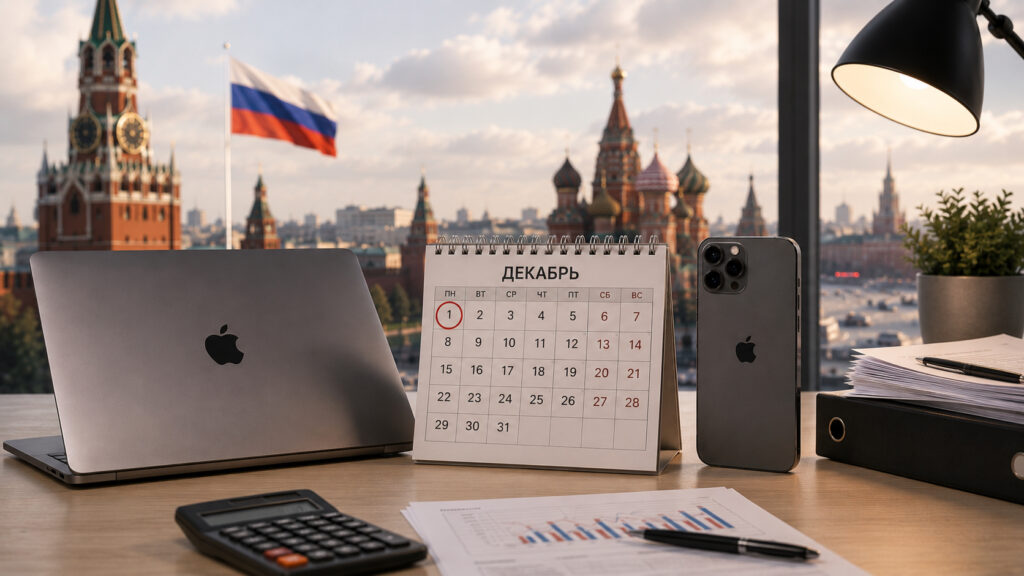
Tech levy postponed to December
New Electronics Levy in Russia: Launch Date and Rules
Originally, the technology levy was supposed to take effect on September 1, 2026. Now the launch has been pushed to December 1 — three months later.
According to Vasily Shpak, the delay was made at the industry’s own request. The official emphasized that the government would act “precisely, carefully, and gradually,” and that the ministry views the levy as a source of investment in developing the electronics industry.

You’ll still have to pay the levy, just later
That said, the payment itself hasn’t gone anywhere. It’s a mandatory levy for everyone who imports electronics into Russia or manufactures them domestically. The legal basis is Federal Law No. 425-FZ dated November 28, 2025, and payment is required for each unit of goods from special government lists. An important point: regular buyers are not directly affected. Individuals importing devices for personal use are exempt from the levy. Importers and manufacturers pay — but whether they’ll pass those costs on to consumers is a separate question.
And yes, at launch only smartphones and laptops will fall under the levy. The government promises to add other categories gradually.
How the Tech Levy Will Affect iPhone and MacBook Prices in Russia
Smartphones and laptops are affected for now
The Ministry of Industry and Trade has already named specific amounts. And they turned out to be much more modest than the alarming “up to 5,000 rubles per unit”:
- smartphones — 250 rubles per unit;
- laptops — 500 rubles per unit.
Compared to actual prices, these are pennies. For the iPhone 18 Pro, which starts at 100,000 rubles, a 250-ruble surcharge simply gets lost. The same goes for MacBook: 500 rubles on a device priced at 150,000–300,000 rubles is something you’ll barely notice on the receipt. In other words, you shouldn’t expect direct price increases on Apple products due to this levy — the amounts are too small relative to device costs. At least for now.
How the New Tech Levy Will Hit Smartphone and Laptop Suppliers
It’s not about the payment size — it’s about the payment scheme. By design, the levy must be paid before the product is cleared for sale. Without payment, devices simply can’t be put into circulation through the “Chestniy ZNAK” (Honest MARK) system. For businesses, it works like this:
- an importer brings in a large batch of smartphones or laptops;
- pays the levy for the entire batch upfront — before a single sale;
- ties up working capital and waits for revenue.
For smaller companies, this strain on working capital can be painful. Laying out millions of rubles in advance without having sold a single device is not everyone’s idea of fun. That’s why businesses proposed paying after the fact — that is, after the goods are sold.
The postponement to December 1 is essentially a compromise. Time to prepare has been granted, while the rules of the game are still being discussed.
Should You Buy an iPhone or MacBook Before the Tech Levy Takes Effect?
In short — there’s no reason to panic in the coming months. Until December, devices are sold under the old rules, and the levy amounts are so small that you won’t see them directly reflected in prices.
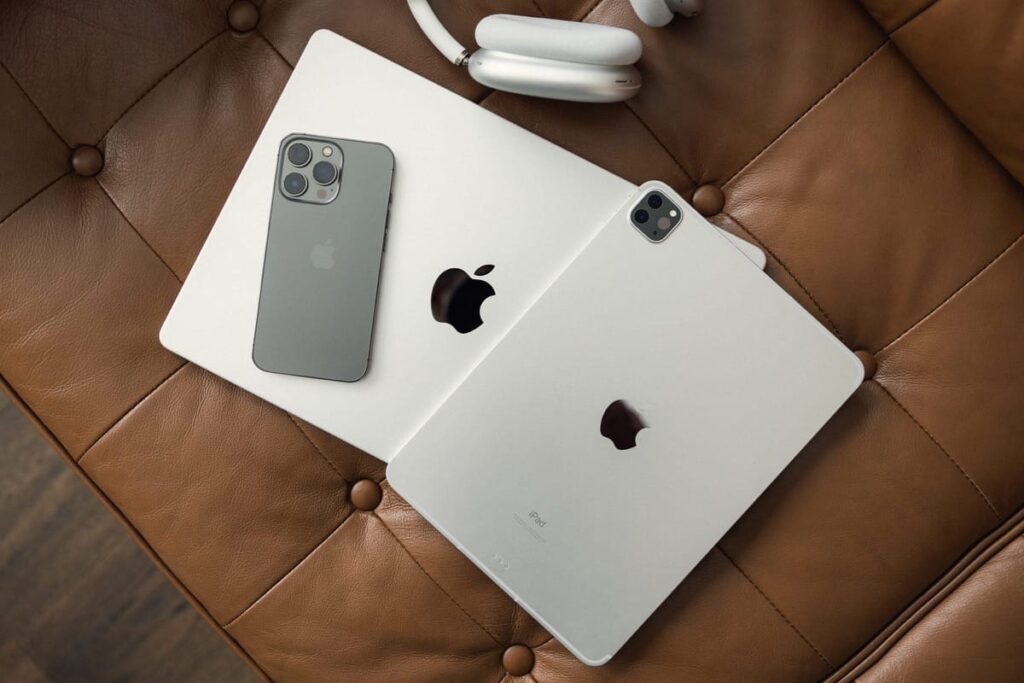
There’s no need to rush out and stockpile new gadgets
But there’s a nuance worth watching. The technology levy is a new mandatory payment, and its amount could very well be revised in the future. Plus, the levy could be extended to other categories: tablets, headphones, smartwatches. If AirPods and Apple Watch fall under it, the cumulative effect on your wallet would become more noticeable.
It’s also worth keeping in mind other government initiatives. For example, there were discussions about whether iPhones in Russia would be subject to an additional tax — and such a recycling fee would hit prices much harder than the tech levy. So it makes sense to keep this topic on your radar — especially for those who are already carefully counting their money when buying electronics in Russia.