Every June before WWDC, I catch myself thinking the same thought: I’m seriously pondering not the new features or the design of future operating systems — but what Apple will name the next macOS. It sounds trivial, but behind that word there’s always a hint at the system’s character. Recently we broke down what’s known about macOS 27 before the presentation, and now it’s time to think about the name. And this year the intrigue is particularly alive: two names are vying for the role of macOS 27 — Emerald and Big Bear.

Which of the two places will Apple choose this time?
Apple hasn’t officially confirmed anything yet. We’ll learn the name on June 8, at the WWDC 2026 presentation. But leaks and community observations have already narrowed the field down to a couple of options, and both, oddly enough, fit well within the company’s logic. Let’s figure out where they came from and why these particular words.
How Apple Chooses Names for macOS
First, a bit of history — without it, what follows won’t make sense. The tradition of giving macOS catchy names stretches back to the very beginning of Mac OS X. Generations grew up with big cats: Tiger, Leopard, Lion. And then, with the release of OS X Mavericks, Apple changed the theme and moved to the geography of its home state — California took the stage.
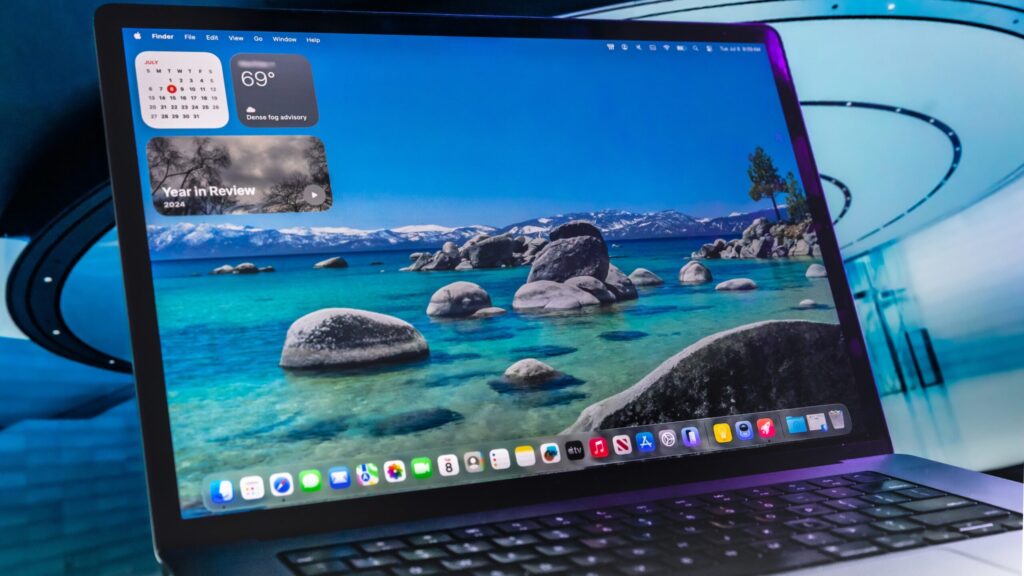
Along with new names we also get stunning wallpapers
Since then, almost every system has been a place on the map: Yosemite, Sierra, Mojave, Monterey, Ventura, Sonoma, Sequoia. Last year’s version was named Tahoe, after the famous lake on the border of California and Nevada. And this is where things get interesting, because it’s from Tahoe that the threads lead to one of the candidates.
macOS Emerald: Why Apple Might Name macOS 27 This Way
According to insiders, macOS 27 won’t be a revolution. Yes, it will feature an updated Siri app and new Apple Intelligence capabilities. But the main focus is on bug fixes and stability. Simply put, it will be a polished and refined version of Tahoe.
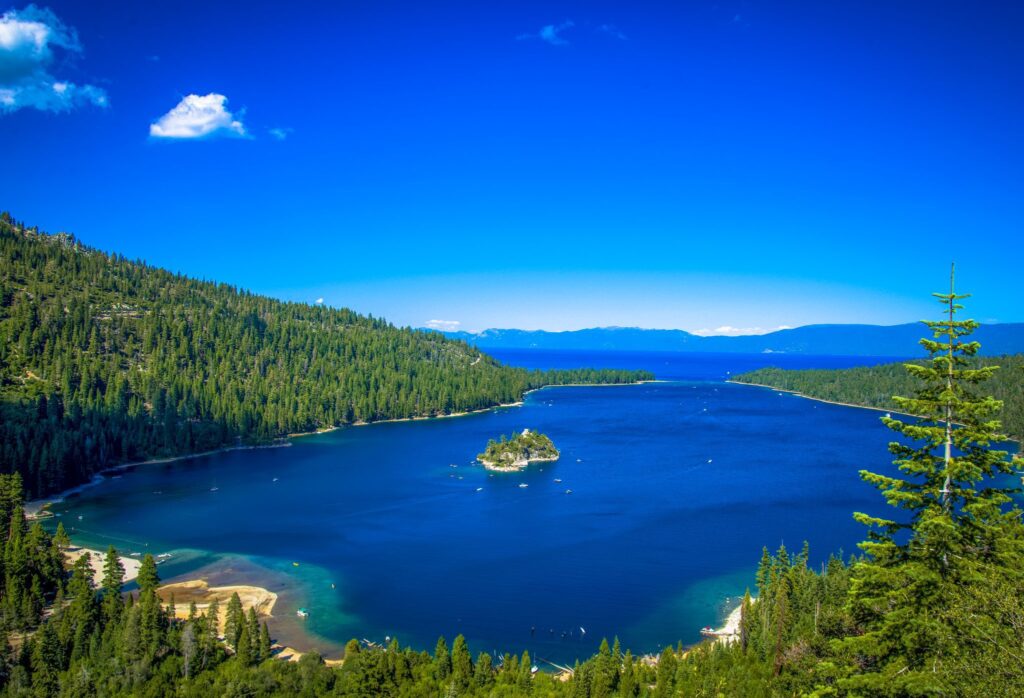
A very picturesque place that is part of Tahoe
And here’s why the name macOS Emerald sounds so logical. Emerald Bay is part of that very same Lake Tahoe. In other words, the system stays “within” last year’s theme, simply becoming its cleaner and more mature version.
Apple has used a similar approach before. Remember the Sierra and High Sierra pair: the second wasn’t a new chapter, but a polished version of the first. The logic is exactly the same. If macOS 27 is about fixing bugs, then staying close to Tahoe and taking a name from the same area is a beautiful and meaningful move.
Why macOS 27 Might Be Called Big Bear
The second candidate came from an unexpected place. MacRumors contributor Aaron Perris noticed a file name in the WWDC 2026 hashtag graphic that Apple posted on X. The name of that file contained the phrase Project Big Bear.
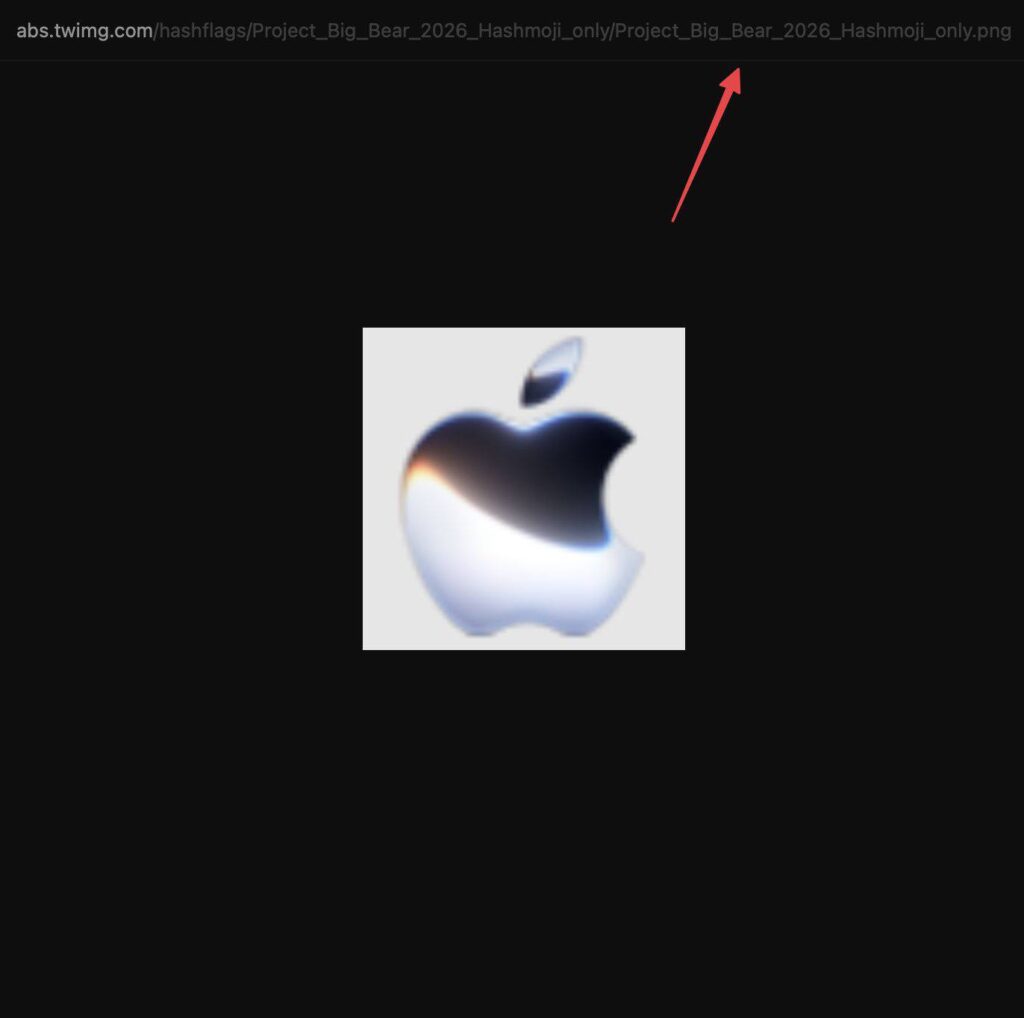
The Big Bear mention was found in Apple’s files
Big Bear is a real lake in California (Big Bear Lake). Thematically it fits perfectly, and from this the theory was born that macOS 27 would be named exactly that. It sounds powerful and “Californian”.

By the way, also a very beautiful place
But I wouldn’t jump to conclusions. A file name is a tricky thing. It could be an internal code label for a specific graphic, a marketing campaign, or anything else entirely unrelated to the system’s name. So Big Bear is more of a tantalizing clue than a solid fact.
List of Unused macOS Names from Apple
And now for what makes this topic truly fascinating. Back in 2014, the community discovered over twenty trademarks with Californian names. They were registered under various shell LLCs — almost certainly front companies through which Apple hides its involvement.
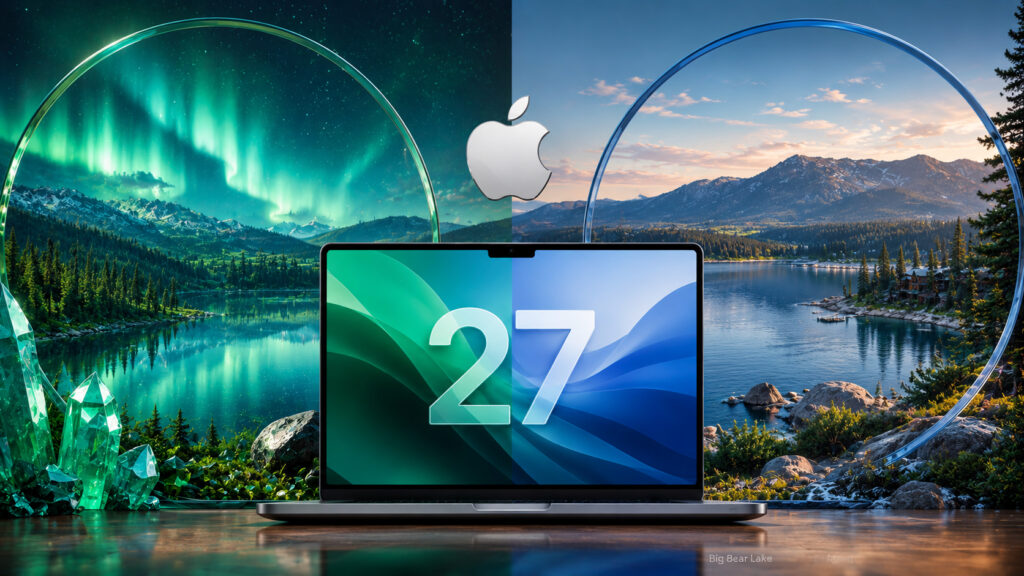
Which name do you think Apple will lean toward this time?
Some of these names eventually did get used: Yosemite, Sierra, Mojave, Monterey, Ventura, Sonoma, Sequoia. Applications for other names were ultimately abandoned. But here’s what’s important: Apple freely picks up even abandoned names. That’s how macOS Big Sur appeared in 2020. So any word from the old list could still make its debut.
Here are the names from those applications that remain unused so far:
- California
- Condor
- Diablo
- Farallon
- Grizzly
- Mammoth
- Miramar
- Pacific
- Redtail
- Redwood
- Rincon
- Shasta
- Skyline
- Tiburon
There are no guarantees, of course. Apple might never use this stockpile at all. But you have to admit — guessing about it every year is fun in its own way. Especially since the options include Grizzly and Mammoth, which sound no less impressive than Big Bear.
Apple itself will have the final word. The name of macOS 27 will be announced at the WWDC 2026 presentation on Monday, June 8. Personally, I’m betting on something “Tahoe-adjacent” like Emerald — it really fits the spirit of an update that focuses on refinement.