Dementia begins in childhood: a shocking discovery by neurologists
Dementia has long been considered a disease of the elderly. But dementia risk factors begin accumulating much earlier than the first symptoms appear — sometimes even before birth. An international team of experts from 15 countries proposes a radical rethinking of the approach to prevention: starting not at age 60, but at 18.
Dementia Risk Factors Form Before Birth
Most dementia research focuses on what happens to the brain in old age. But a growing body of evidence suggests that the roots of the problem go back to the very beginning of life.
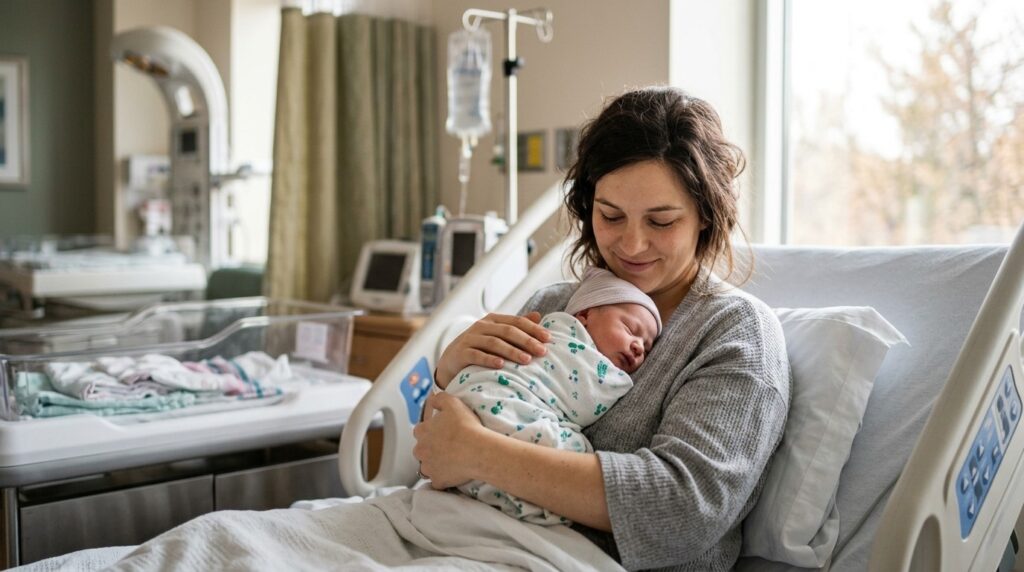
In 2023, scientists from Sweden and the Czech Republic analyzed data from complete birth cohorts of people born between 1932 and 1950. They identified several birth-related factors associated with an increased risk of dementia later in life: being born as a twin, a short interval between pregnancies, and maternal age over 35.
Some of these factors are impossible to control — for example, multiple pregnancies. But others, as the researchers note, can be taken into account when planning a family. It should be noted that the increase in risk is small but statistically significant: having at least one factor raised the risk by approximately 6%.
Cognitive Abilities in Childhood Linked to Dementia
One of the most intriguing findings cited by the international team: in long-term studies where people’s cognitive abilities were tracked throughout their lives, thinking level at age 11 turned out to be one of the strongest predictors of cognitive status at age 70.
This does not mean that “slow children” are doomed to dementia. It means that elderly people with weaker cognitive skills often had them since childhood — the difference is not explained solely by accelerated decline in old age.
Similar patterns are found in brain scans. Some changes characteristic of dementia appear to be more closely linked to the impact of risk factors in early life than to an unhealthy lifestyle in later years. This means that a brain formed under less favorable conditions may be more vulnerable to age-related changes — even if the person leads a healthy lifestyle in adulthood.
Dementia Prevention Needs to Start at a Young Age
At the end of 2024, a study led by the Global Brain Health Institute (GBHI) in Ireland was published in The Lancet Healthy Longevity. A team of experts from 15 countries focused on the age group from 18 to 39 — and concluded that young adults are virtually absent from dementia prevention research and policy, even though they are already exposed to many modifiable risk factors.

Young people rarely think about dementia, but it is at their age that key risks are established
Risk factors identified by the researchers can be divided into three groups:
- Behavioral — excessive alcohol consumption, smoking, low physical activity, social isolation
- Environmental — air pollution, traumatic brain injuries, hearing or vision loss, low level of education
- Health-related — obesity, diabetes, hypertension, elevated LDL cholesterol (so-called “bad” cholesterol), depression
Some connections are obvious: smoking and alcohol harm health in general, and head injury is a direct risk factor. But other pathways are less apparent. Hearing or vision loss, for example, is also linked to dementia — possibly because it leads to degeneration of specific brain areas or to social isolation, which is itself a risk factor.
How Lifestyle Reduces Dementia Risk in Old Age
According to the 2024 Lancet Commission report, 14 modifiable risk factors for dementia are known. If all 14 were eliminated, approximately 45% of dementia cases worldwide could potentially be prevented. This is a huge number — we’re talking about tens of millions of people.
But combating risk factors after neurodegeneration (the death of nerve cells) has already begun is largely ineffective. This is precisely why researchers urge shifting the focus to an earlier age: to preserve brain health, what matters is not only medication and screenings, but also habits that form long before old age.
The GBHI team proposes working on three levels:
- Individual — raising awareness about brain health among young people, educational programs in schools
- Community — creating advisory councils of young people to help local authorities consider the context of brain health in the community
- Government — developing a “brain health charter,” a kind of roadmap that would accompany a person throughout their entire life
Funding such programs, according to the authors, could come in part from taxing substances that negatively affect the brain — alcohol and cigarettes.
Microplastics, Stress, and Food Increase Dementia Risk
The study authors note that a number of new potential factors have yet to be studied. Among them are ultra-processed food, drug use, screen time, chronic stress, and microplastic exposure.
There is not yet sufficient evidence to include them in the official list of risks. But given how widespread these factors are among young people, researchers consider studying them a priority. For instance, they have already found that microplastics can penetrate the brain, although their long-term role in dementia development still requires further research.

Screen time and ultra-processed food — potential risk factors that still need to be studied
It is also important that young people themselves show interest in the topic. As GBHI social gerontologist Laura Booi notes, today’s youth are well familiar with the concept of cognitive diversity — many identify themselves as having ADHD or autism. This interest creates a good foundation for engaging young people in dementia prevention.
The main takeaway of the study is simple: dementia prevention is not a task for retirees. The earlier a person starts paying attention to risk factors — from the quality of education and physical activity to hearing health and cholesterol levels — the greater the chances of preserving mental clarity in old age. And while many questions still await answers, one thing is already clear: taking care of your brain should not be left for “someday later” — it needs to start right now.