I’ve long been using only eSIM on my iPhone and decided to get an MTS eSIM for my country house, since this carrier has the best coverage there. I wanted to do everything smoothly: set up the SIM in the promised 10 minutes as advertised on their website, load it into my iPhone, and work in peace. Instead, I spent over 24 hours without internet, paying 800 rubles for the privilege. Here’s how buying an “instant” SIM turned into a quest involving tech support, a 24-hour service ticket, and a compensation so small it makes you want to cry.

MTS left me without service for 24 hours
Spoiler right away: I did eventually get the eSIM. But the joy was about the same as getting a pizza delivered 24 hours after ordering it.
How to Buy an MTS eSIM and Not Get It on Time
The setup is simple. In the heat, everyone headed to their country houses, and MegaFon, which already had mediocre coverage, started working really poorly. I figured I’d quickly solve the internet problem with a new SIM. On June 5 at 11:22 PM, I paid for the MTS eSIM — 800 rubles left my account instantly, without hesitation or delay. This is confirmed by the payment screenshot from Alfa-Bank: transaction completed, money gone, no questions asked. This, friends, is where the corporation works like clockwork. MTS is perfect at taking money.
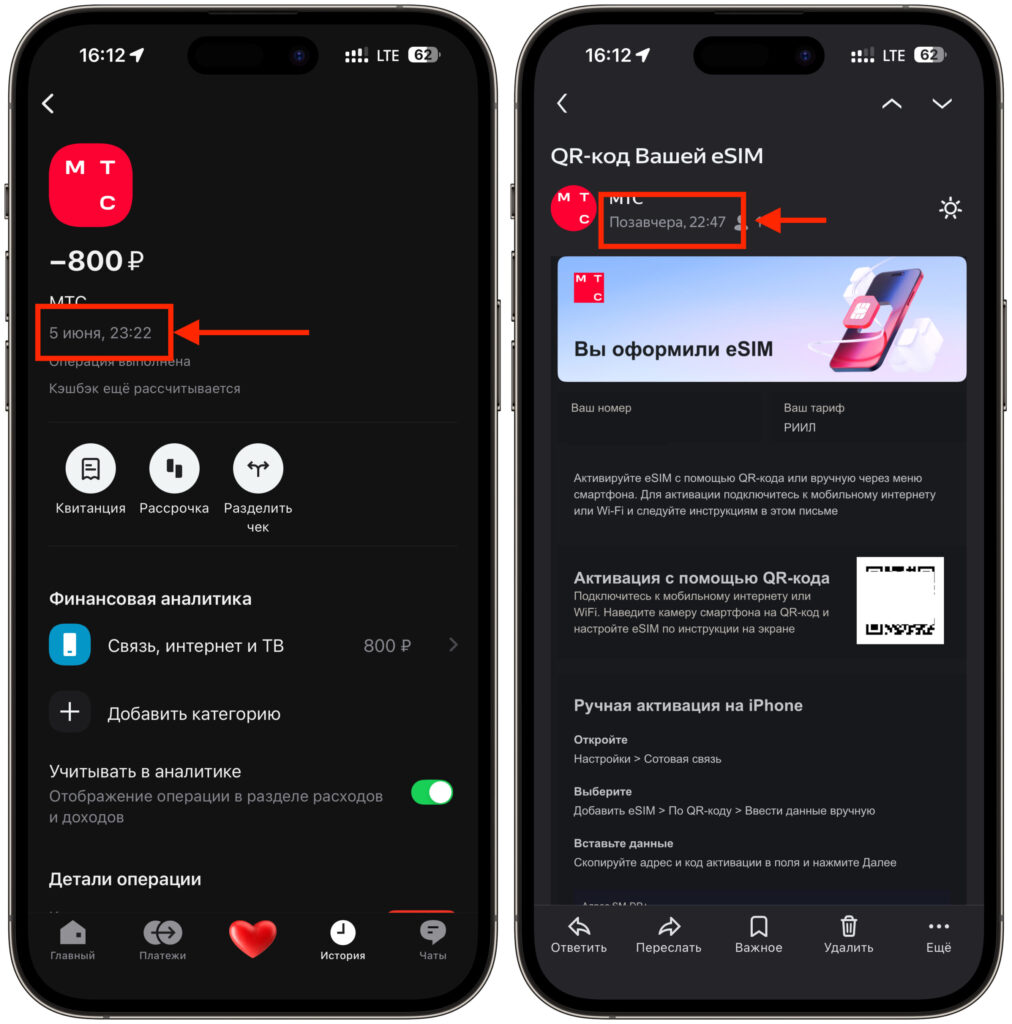
Almost 24 hours passed between purchase and receiving the eSIM
And then the fun begins. The website cheerfully promises that the eSIM will arrive in 10 minutes. Ten minutes — that’s apparently in some parallel universe where MTS exists but has no customers. In my reality, minutes turned into hours, hours into the night, and the night into a new day.
I waited honestly. Checked my email, refreshed the app, logged into my account, restarted my phone just in case — maybe it was the phone’s fault, not the carrier’s. Silence. No QR code, no eSIM, nothing. Just 800 rubles debited and the feeling that I’d been politely scammed.
The most frustrating part is that the whole beauty of eSIM is its speed. No need to go to a store, wait for a courier, or fiddle with a paperclip and SIM tray. If you’re still choosing between eSIM and a regular card, know this: the technology was invented to get you connected here and now. And MTS managed to turn it into the slowest way to get connected. It’s like buying a sports car that takes half an hour to start.
Problems with eSIM Delivery at MTS: My Experience
The email with the QR code and the coveted “You’ve set up an eSIM” landed in my inbox on June 6 at 10:47 PM. Let’s get out the calculator: almost exactly 24 hours passed between payment and delivery. Not 10 minutes. Not an hour. A full day.
When it became clear that the “instant” eSIM was stuck somewhere between MTS servers, I went where all desperate people go — to tech support. And here came my second revelation.
Support threw up their hands, fixed nothing, and simply created a service ticket. The resolution time for this ticket was — wait for it — 24 hours. So MTS’s system works like this: they take your money in a second, and they might issue you a working SIM within 24 hours. Maybe. If you’re lucky.
I honestly tried to find out the reason. I got the standard set of phrases about “forwarded to specialists,” “your request is being processed,” and “we apologize for the inconvenience.” Behind these phrases was nothing — no timelines, no explanations, not even a hint that someone was actually working on my problem. Just ritual words to get me to go away.
I’m a patient person, but during that time I managed to read half the internet via someone else’s Wi-Fi and regretted several times not choosing a different carrier. At the country house, where mobile internet isn’t a luxury but the only way to work, 24 hours without service feels like a small eternity. All work tasks stalled, messages piled up, and I sat staring at the network indicator that stubbornly showed “no signal” for the SIM I’d already paid for.
How MTS Compensated for the eSIM Delay
Think they somehow compensated me for the 24 hours of downtime, the stress, and the ruined plans? Oh yes. They credited 100 rubles to my account. One hundred rubles. For 24 hours without internet. For a paid but non-functional service. For the fact that instead of working, I was entertained by conversations with support. I don’t even know what’s more insulting — the delay itself or this generous gesture amounting to approximately nothing.
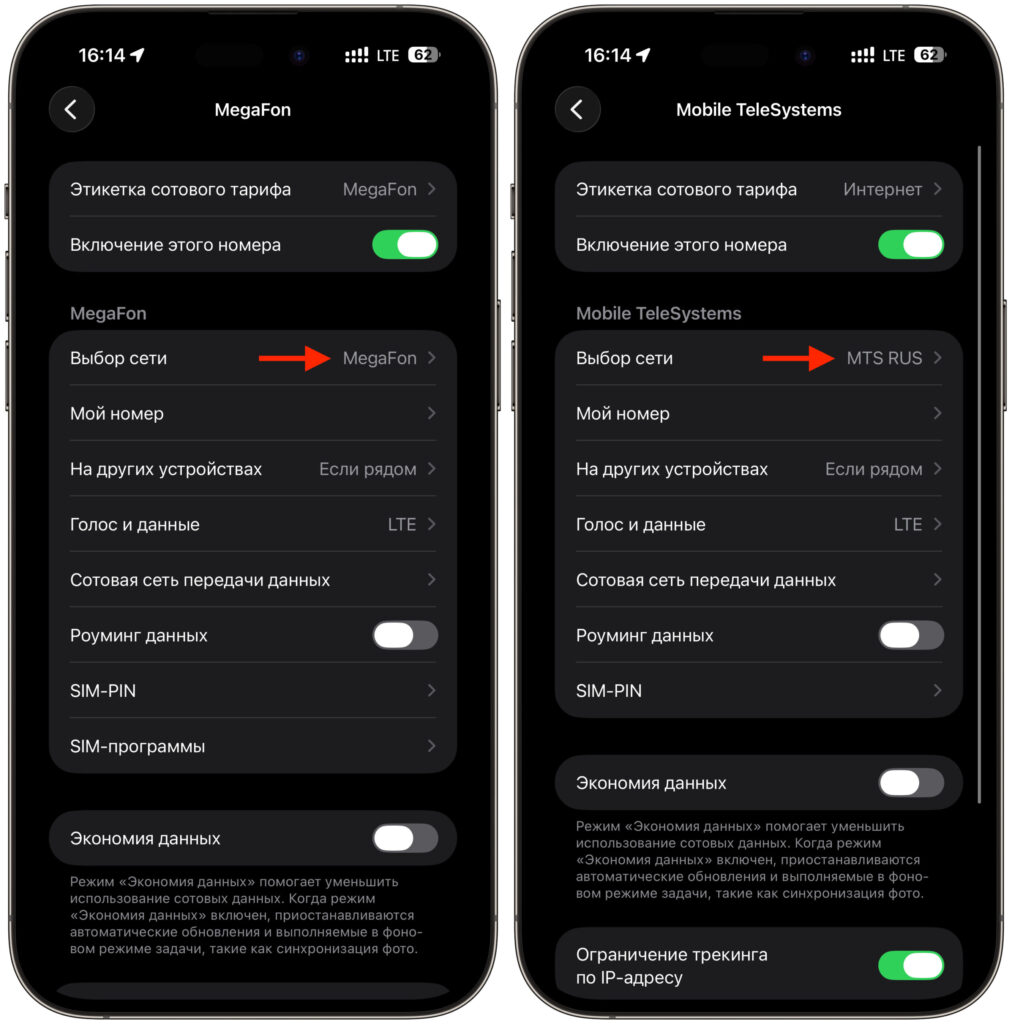
I got the MTS eSIM to use it, not for show, but I’m completely disappointed with the carrier now
Let’s do the math. I paid 800 rubles for the eSIM. They returned 100. That means the carrier valued my 24 hours of downtime at one-eighth the cost of the service. By that logic, if it took a week to deliver the SIM, I’d probably get about 700 rubles back — almost the full cost, just after a week of suffering. What a tempting offer.
This isn’t compensation; it’s mockery in monetary form. They would have been better off sending nothing at all — at least then I wouldn’t have had to laugh through tears looking at those three digits in my transaction history.
And here’s the important thing to understand. The problem isn’t that the carrier had a glitch — glitches happen to everyone. The problem is the attitude. Take money in a second, return the service in 24 hours, apologize with a hundred-ruble bill. That kind of math says more about a company than any advertising campaign.
How Long Does eSIM Activation Take with Different Carriers
So you don’t think I’m just being picky, let me share another experience. I’ve set up eSIMs twice before — with T-Mobile and MegaFon. And both times the SIM was created in literally a few minutes. Paid, waited for the email, scanned the QR code, everything worked. No 24-hour tickets, no humiliating hundred rubles, no sitting at the country house in radio silence.
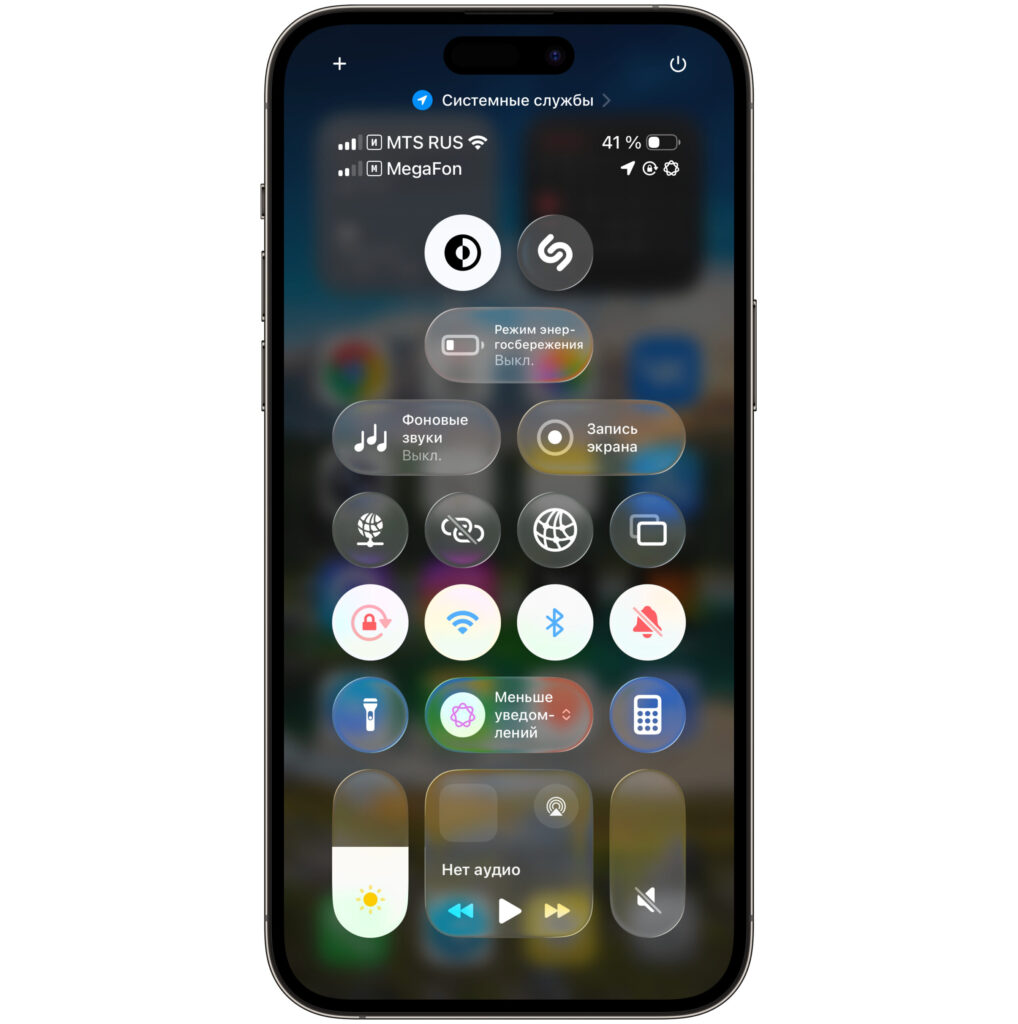
I’ll keep this SIM for a month and then switch to another carrier. We don’t need this kind of service
That’s exactly why I know that “10 minutes” is realistic. It’s a normal timeframe for eSIM. That’s how it should be. Other carriers make it work, and it works without adventures. The technology is the same, everyone has servers, and nothing extraordinary is needed for quick delivery.
Which means the MTS story isn’t about “the technology being complicated” — it’s specifically a failure of this specific carrier. And as long as this failure isn’t fixed, I can’t recommend getting an eSIM from MTS. Especially if you need the SIM quickly and reliably — for example, before a trip, when there’s zero room for error. By the way, if you’re planning to set up an international eSIM through MTS, think twice or create it well in advance.
The conclusion is simple. If you want to get an eSIM quickly and stress-free — get it from a carrier that can deliver the service as fast as they charge your money. MTS isn’t on that list yet. They’ll take your money instantly, but they’ll issue a working SIM when the stars, servers, and support team’s mood align. I’ve learned my lesson — and the 24 hours at the country house without internet will remind me of it for a long time.