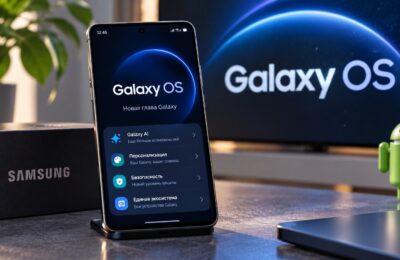
Xiaomi’s upcoming HyperOS 4 update will reportedly limit its headline visual feature — the Liquid Glass interface effect — to devices running only the most powerful processors. According to leaked source code from the system, the full Liquid Glass rendering is currently enabled only for a short list of flagship chipsets. Owners of mid-range or older Xiaomi phones may receive a simplified version of the effect, though this remains unconfirmed.
What you need to know
- Leaked HyperOS 4 code reportedly lists only Snapdragon 8 Elite (and newer), Xiaomi’s own XRING O1 and O3 chips, and Dimensity 9500 (and newer) as supported for full Liquid Glass effects.
- The effect reportedly uses real-time light-field rendering, glass-like materials, and AI-based color blending — far more GPU-intensive than simple background blur.
- The leak does not confirm that older devices will be completely excluded; Xiaomi may offer a simplified version with fewer real-time effects on less powerful hardware.
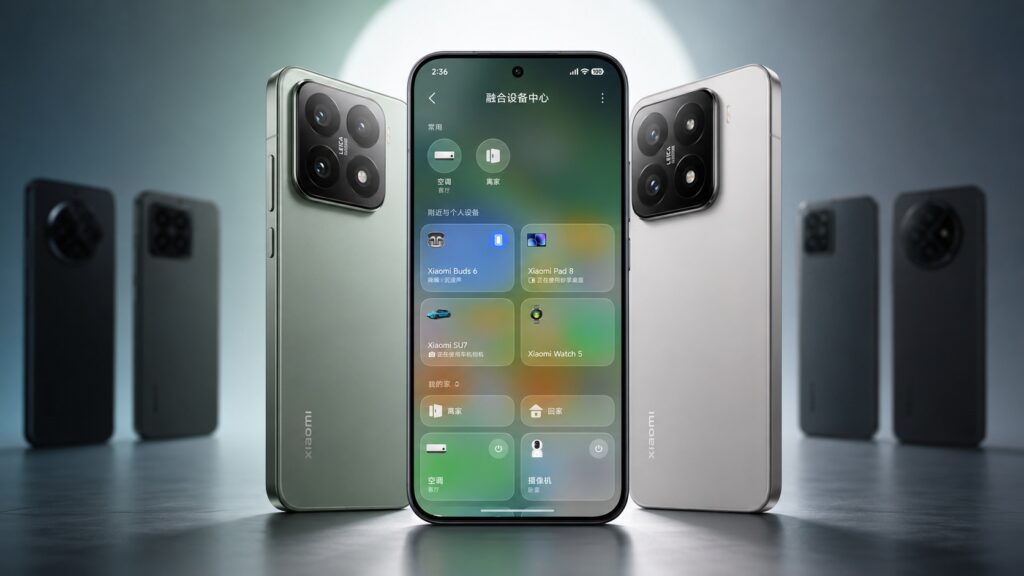
HyperOS 4 is expected to ship with the Liquid Glass effect
What is Liquid Glass?
Liquid Glass is a new interface design language in which UI elements — menus, widgets, notification cards — appear as semi-transparent, glass-like surfaces. Rather than flat, opaque panels, these elements let wallpaper colors and background imagery show through with light-refraction behavior that mimics real glass. A similar visual direction is already being adopted by other manufacturers, including HONOR with its MagicOS 11 update.
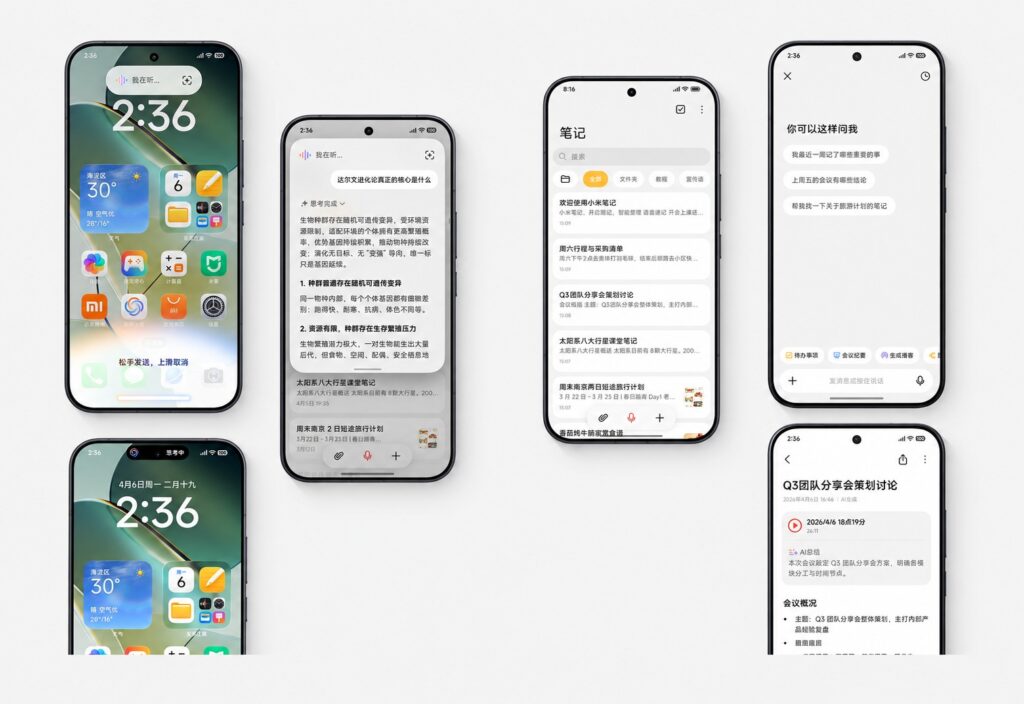
How the Liquid Glass effect is expected to look in the system UI
According to earlier leak information attributed to tipster Digital Chat Station, Xiaomi’s implementation reportedly goes beyond simple background blur. The system is said to use real-time light-field rendering, glass-like materials, and AI-based color blending. In practical terms, this means the phone would continuously recalculate colors, transparency levels, and light behavior beneath interface elements as the user navigates the OS.
Which chipsets are reportedly supported
The computational demands of this rendering approach appear to be the reason for the hardware restriction. According to the information found in the leaked code, the full Liquid Glass effect is currently enabled only for the following platforms:
- Snapdragon 8 Elite and newer
- XRING O1 — Xiaomi’s own flagship chip
- XRING O3 — a future-generation Xiaomi chip
- Dimensity 9500 and newer
Older Snapdragon, MediaTek, and other platforms were not included in the support rules found in the leaked code.

Why the hardware bar is set so high
The source explains that these real-time visual effects are significantly more demanding than the static blur used in current HyperOS versions. Continuously recalculating the image places a heavier load on the GPU and other processor blocks, meaning older or less powerful hardware may not be able to sustain the effect without sacrificing interface smoothness.
Beyond Liquid Glass, HyperOS 4 is reportedly introducing several other resource-intensive features: AI-powered active perception, color blending, widget and notification stacks on the lock screen, customizable folders, a floating AI assistant island, and expanded use of the Rust programming language for system apps. Together, these changes suggest HyperOS 4 will rely more heavily on GPU performance, neural processing units, and newer system mechanisms than previous versions.
What about mid-range and older devices?
An important caveat: the leaked code restriction does not necessarily mean all other phones will be completely excluded from glass-like visual effects. The leak has not confirmed that older devices will receive no version of the feature at all. Xiaomi may deploy a simplified variant with fewer real-time effects on hardware that falls outside the supported chipset list.
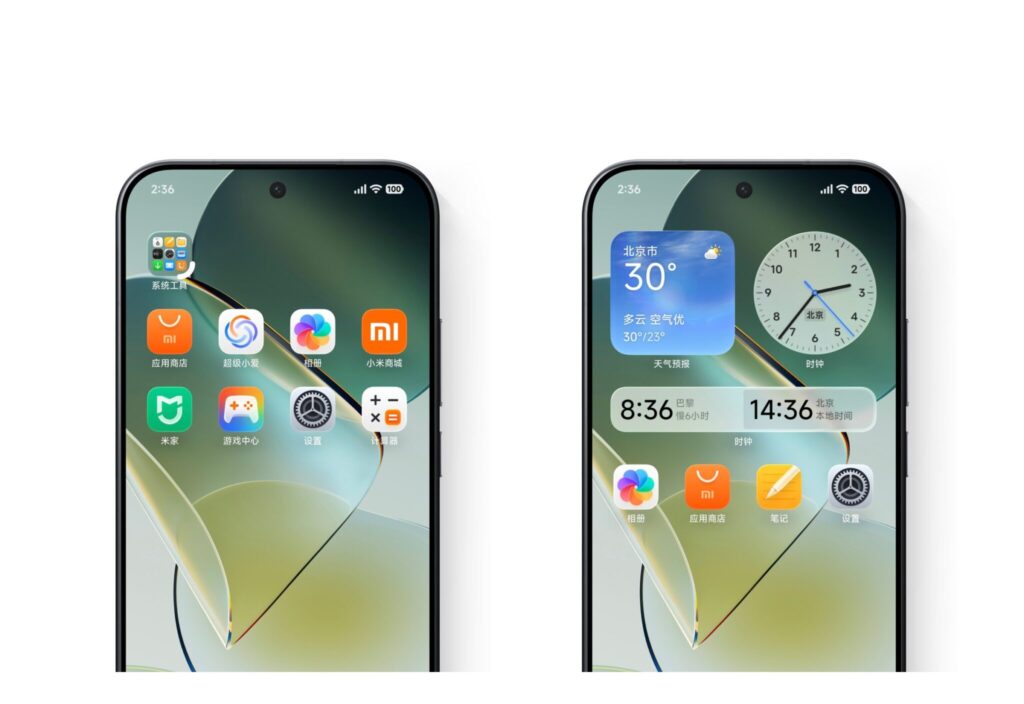
On less powerful smartphones, the effect may look different
For example, a flagship device running the Snapdragon 8 Elite could receive the full Liquid Glass implementation, while an older chipset might get basic transparency, standard blur, or another scaled-down variant. This means the visual gap between flagship and mid-range Xiaomi models could become more noticeable in this generation of the software than it has been in the past.
It is worth emphasizing that all of this information is based on leaked code and has not been officially confirmed by Xiaomi. The final list of supported devices and the extent of any simplified fallback effects could change before the official release of HyperOS 4.