7 high-profile unsolved crimes that investigators still cannot explain.
Some crimes haunt people even a hundred years later. Headlines are forgotten, investigators retire, but these cases keep coming back again and again — because clarity never emerged. Modern methods like DNA analysis have helped identify some victims, but the names of the killers remain a mystery. Here are seven of the most famous unsolved cases that still baffle investigators.
Jack the Ripper: The Most Famous Unsolved Murder in History
London, 1888. In the impoverished Whitechapel district, a serial killer operated who was later dubbed Jack the Ripper. From August to November, at least five murders were linked to him — known as the “canonical five.” All victims were women, and all were found with deep throat wounds and precise, almost surgical injuries to their bodies.
This precision suggested that the killer had knowledge of anatomy — like a butcher or a surgeon. Police conducted one of the largest investigations of the Victorian era, but never found a suspect. In 2025, DNA analysis cautiously pointed to a Polish barber, but the findings were inconclusive. More than a hundred years later, the case remains open.
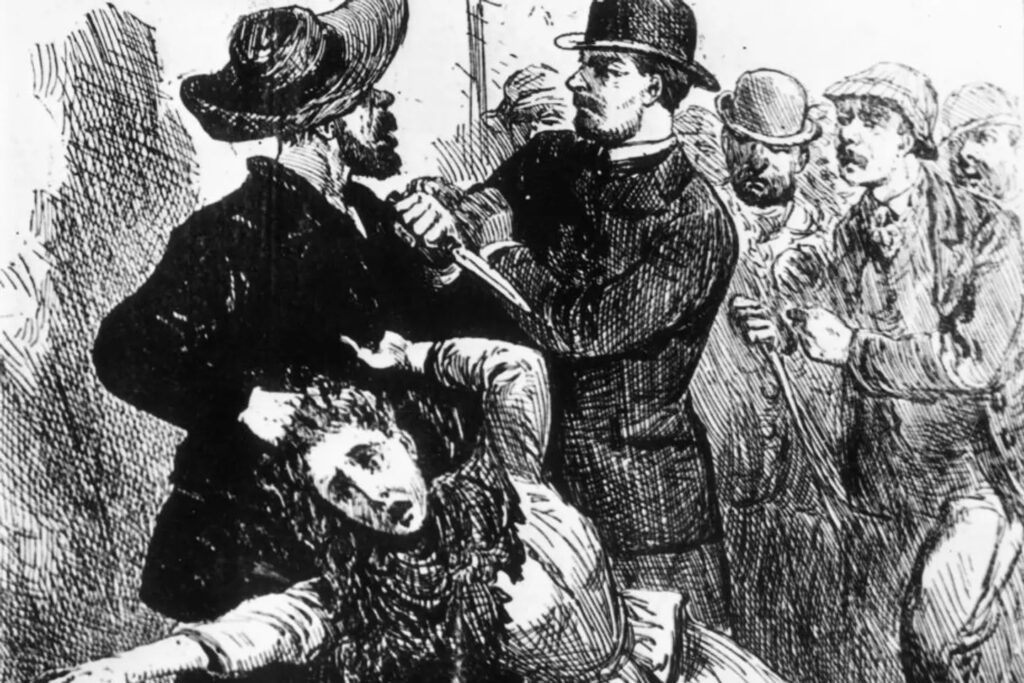
Jack the Ripper — a nickname given to an unidentified serial killer.
The Black Dahlia: The Mysterious Murder of Elizabeth Short
Los Angeles, 1947. The body of 22-year-old Elizabeth Short, later dubbed the Black Dahlia, was found in a vacant lot. The scene was so brutal that it shocked the entire city: according to the FBI, the body had been cut in half.
Newspapers blew the story up to the scale of a cultural legend. Detectives pursued hundreds of leads, interrogated numerous people, and received several false confessions, but the case never advanced. To this day, both professional investigators and amateur enthusiasts continue to re-examine the evidence, hoping to find what was missed in the 1940s.
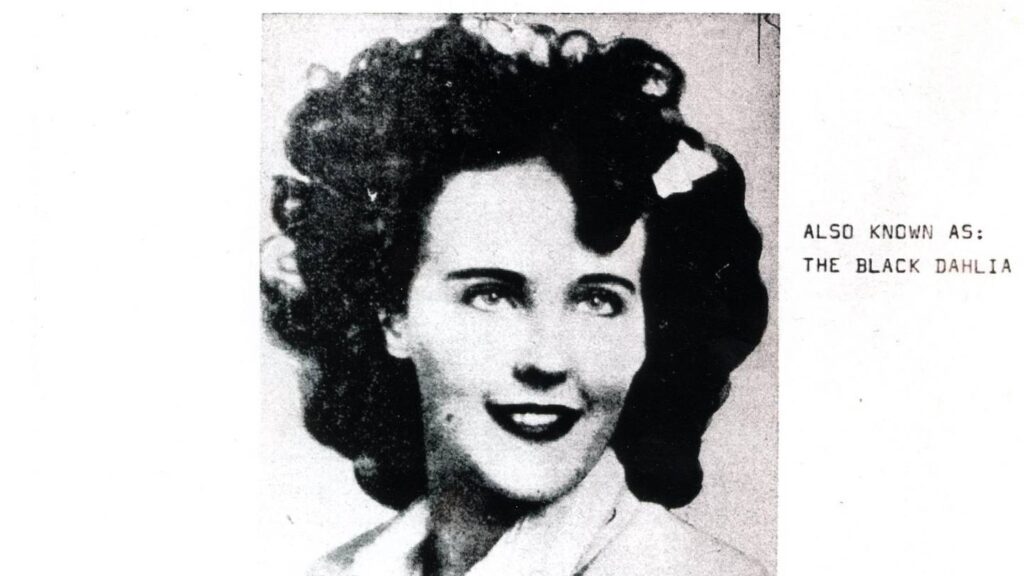
Elizabeth Short.
The Somerton Man: The Mystery of the Tamam Shud Note
Adelaide, Australia, 1948. The body of an unknown man was found on Somerton Beach. There was nothing to go on: no documents, no clear reason why he was there. Even the labels had been carefully cut from his clothing, as if someone had deliberately erased traces of his identity.
The only clue was a scrap of paper with the Persian words “Tamàm Shud” — meaning “ended” or “finished.” It was later determined to be a fragment from a rare edition of Omar Khayyam’s “Rubaiyat.” In a book found in a car parked nearby, a torn-out page matched the note, along with mysterious words that police were never able to decipher. It was only in 2022 that DNA and genealogy identified the man — he turned out to be Charles Webb. But who killed him and why remains unclear.

A rare edition of Omar Khayyam’s Rubaiyat became the key piece of evidence in the case
The Boy in the Box: One of America’s Most Mysterious Murders
Philadelphia, 1957. Near the woods on the outskirts of the city, a hunter found the body of a boy in a battered cardboard box. The child appeared to be between four and six years old, with signs of trauma and neglect on his body, but nobody knew who he was.
There are two eerie details in this story. First, the hunter only reported it to the police the next day — he was afraid they would confiscate his rabbit traps. Second, the boy’s hair appeared to have been freshly cut. Police circulated a composite sketch and cross-referenced missing children reports, but found no matches. It was only in 2022 that DNA genealogy provided a name — Joseph Augustus Zarelli. As for the killer, they are either still free or long dead.
The Zodiac: A Killer Who Taunted Police with Ciphers
Northern California, late 1960s. A person calling himself the Zodiac held entire neighborhoods in fear. He didn’t just kill — he sent letters with encrypted messages to newspapers, as if playing a game with the police. At least five murders between 1968 and 1969 are linked to him.
Some of his ciphers have never been decoded. The investigation spanned multiple counties, but the killer’s identity has still not been officially established. More than 50 years have passed, and questions surrounding the Zodiac continue to fuel debates, investigations, and theories.
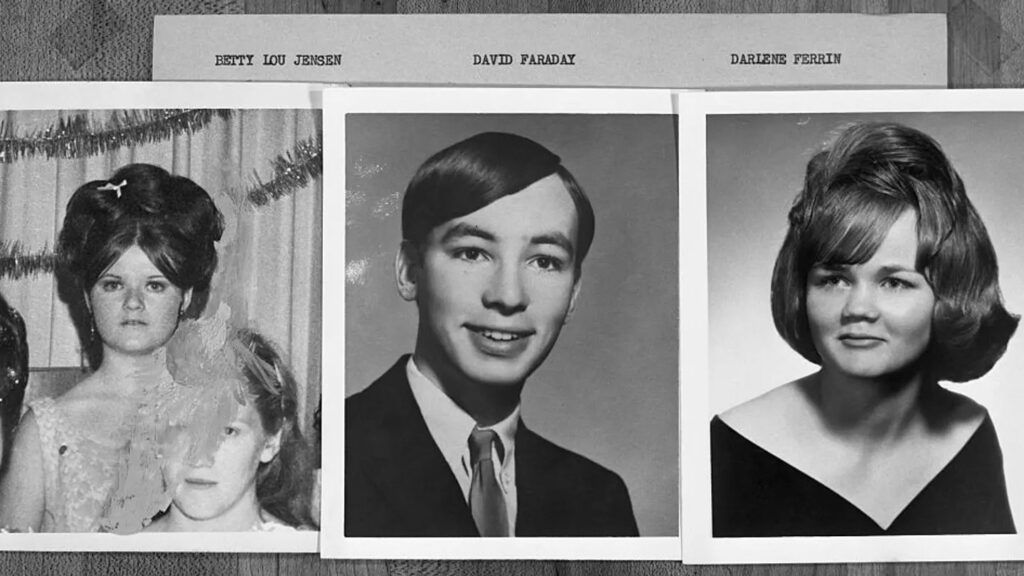
Victims of the Zodiac.
The JonBenét Ramsey Murder: A Mystery Unsolved for 30 Years
Boulder, Colorado, 1996. The death of six-year-old JonBenét Ramsey became one of the most high-profile cases in U.S. history. On December 26, the girl was found dead in her family’s home — just hours after her mother reported finding a ransom note on her daughter’s bed.
The strange circumstances of the case and the lack of clear evidence quickly attracted media attention and spawned numerous speculations. Investigators spent years studying the materials, checking new leads, and revisiting old ones, but charges were never filed against anyone. In November 2024, a three-part documentary series on Netflix examined police mistakes. Despite decades of reviews and advances in forensics, the case remains open.
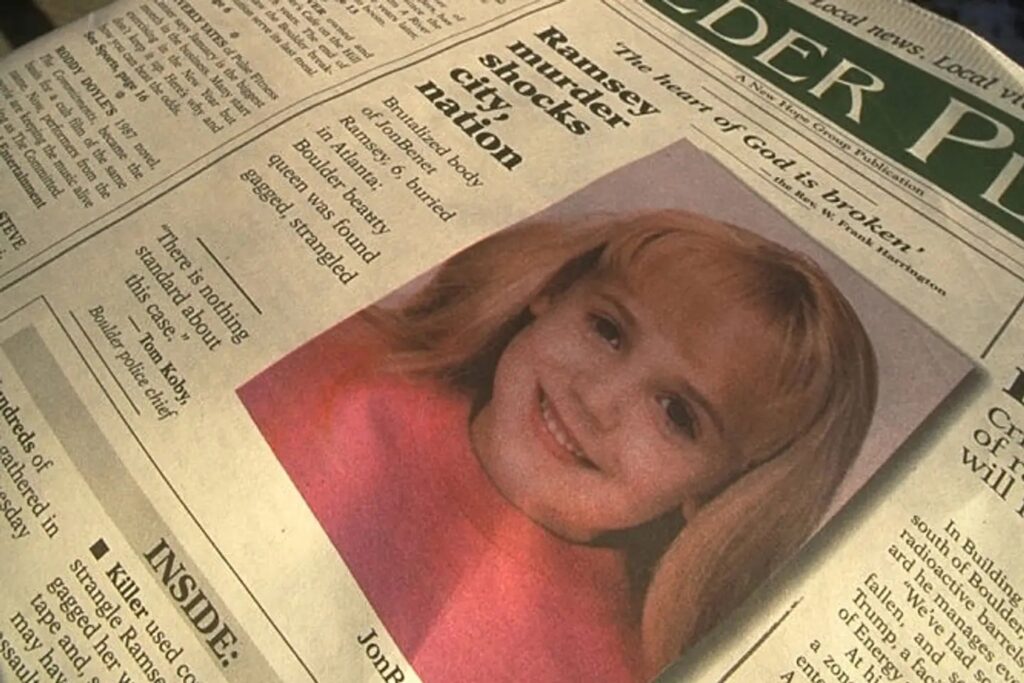
The JonBenét Ramsey murder case.
The Tylenol Murders: A Crime That Changed Drug Safety
Chicago suburbs, 1982. Several people died after taking capsules of the painkiller Tylenol. It turned out that the capsules had been secretly laced with cyanide. Among the victims were people from different neighborhoods and even members of the same family — this sparked a genuine panic.
The manufacturer recalled millions of packages and introduced new safety measures, including tamper-evident controls. This case forever changed drug safety standards — it is precisely because of it that pills now come with protective films and sealed caps. But the killer was never convicted. The prime suspect, James Lewis, died in 2023.
Can a Crime Be Solved After 50 or 100 Years?
These stories share one thing in common: clarity never emerged. Modern forensic technologies, especially DNA genealogy, have in recent years helped identify those who had been considered nameless for decades: the Somerton Man and the Boy in the Box. But a victim’s name and a killer’s name are not the same thing.
The most chilling aspect of many of these cases is that the perpetrator either died unpunished or was never found. And it is precisely this lack of closure that keeps people coming back to them again and again.