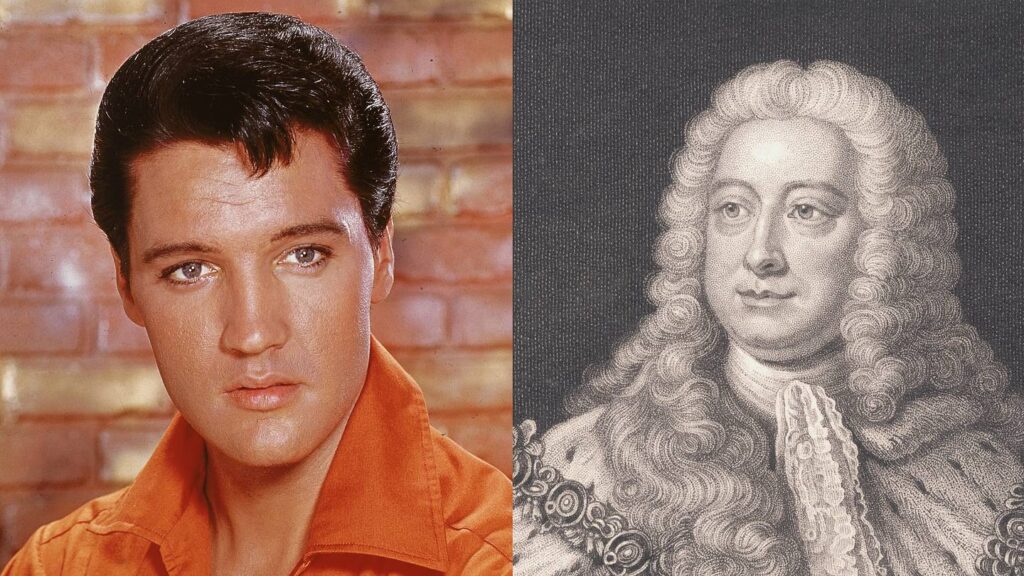
6 famous people who died in the toilet
On average, a person spends about 92 days on the toilet over a lifetime — nearly three months of pure sitting time, even though spending too long in the toilet isn’t the best habit. So it’s no surprise that some people meet their final hour right there. Fame and money offer no protection: our list includes the King of Rock ‘n’ Roll, a Hollywood star, and ancient rulers. We’ve gathered nine of the most famous stories — some tragic, some almost absurd.
Why the Toilet Is a Statistically Dangerous Place for the Heart
Before we get to the names, it’s worth understanding why people so often die in the bathroom. It’s not about mysticism — it’s about physiology. When a person strains, they reflexively hold their breath and tense up — this is called the Valsalva maneuver, a sharp spike in chest pressure. For a healthy person, nothing terrible will happen, but for someone whose heart or blood vessels are already at their limit, such strain can be the last straw and trigger a heart attack.
Add to this the privacy factor: a person who feels unwell often has no one to help, and the door is usually locked. That’s exactly why so many celebrities on this list were found too late.
How Elvis Presley Died
If you ask a random person who died in the toilet, the first name they’ll mention is Elvis Presley. On August 16, 1977, the 42-year-old musician lost consciousness in the bathroom of his Graceland mansion. He was found by his fiancée Ginger Alden; the singer was rushed to the hospital but could not be saved.
The official cause was listed as a heart attack. However, toxicology showed something different: ten different drugs were found in his system, including a high dose of codeine, to which Elvis was also allergic. Yet the singer’s personal physician doubted the overdose theory. According to him, people die slowly from medication — a person gradually falls asleep — and Elvis most likely would have had time to pull up his pajamas and crawl to the door for help.
There is still no consensus on the cause of the King of Rock ‘n’ Roll’s death. And the most stubborn fans are convinced he staged his death and lives somewhere incognito — a theory fueled by regular “sightings” of lookalikes.
How an Ancient Chinese Ruler Died in the Toilet
It’s one thing to die while in the toilet, and quite another to die because of the toilet. Duke Jing, ruler of the ancient Chinese state of Jin, abdicated in 581 BC after a severe illness. According to the ancient chronicle Zuo Zhuan, he dreamed of a demon, and a shamaness predicted his imminent death with the words: “You will not taste the new wheat harvest.”

He forgot about one thing: karma.
When the wheat was harvested and Jing was still alive, he ordered the shamaness executed for lying. But the moment he raised the first bite to his mouth, he felt the urge to use the latrine. The ruler went to the cesspit, lost his footing, fell in, and drowned. The prophecy came true literally — he never did get to taste the new harvest.
How Judy Garland Died
Judy Garland rose to fame at 17, playing Dorothy in The Wizard of Oz (1939). But behind Hollywood’s glamour lay a dark story: the studio Metro-Goldwyn-Mayer, by her own account, made actors work around the clock. To keep them on their feet, they were given stimulants, and then taken to the studio hospital and “knocked out” with sleeping pills.

Till the Clouds Roll By (1946). Behind the gloss of old Hollywood often lay a heavy dependence on drugs.
On June 22, 1969, the 47-year-old actress was found by her husband Mickey Deans — he had to break down the bathroom door of their London apartment. Garland was sitting slumped forward, her head resting on her hands. The cause was a barbiturate overdose — at the time, these were common sleeping pills. The coroner ruled the death accidental and “incautious,” rather than a suicide attempt.
The King Who Was Killed in the Toilet
Even before he became King of England, Edmund Ironside was called the warrior prince for his valor on the battlefield. And he left this life as a warrior — a warrior who had to step away.
According to legend, in 1016 Edmund was stabbed with a sword by his rival while he was relieving himself in the toilet — although the medieval historian who wrote this story may have simply been mocking him.
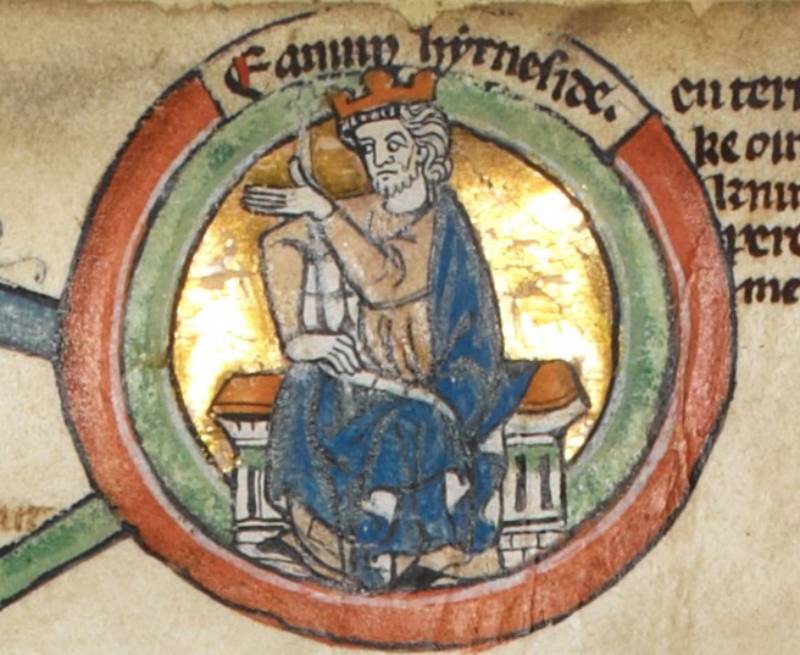
He lived as a warrior and died by the sword.
The Man With the Worst Constipation in History
J.W., or “The Balloon Man” as he was rather crudely called, suffered from the worst constipation in history. Health problems began before he was 2 years old: the child developed irregular bowel movements and constipation, and his abdomen grew larger. The condition worsened with age: by 16, he could go without a bowel movement for up to a month. His intestines became increasingly compressed, and his belly swelled to incredible proportions.
At 20, he became a “human exhibit” at a Philadelphia museum of curiosities. Visitors could see his distended abdomen, which earned him his nickname. But J.W. never received the relief he so desperately needed.
In 1892, at the age of 29, he was found dead in the toilet, where he had apparently made one last attempt to relieve himself. His enormous colon (approximately 2.4 meters) had accumulated about 18 kg of fecal matter, and it is still on display at the Mütter Museum in Philadelphia, though dried and stuffed with fabric and straw.
The British Politician Who Died in a Portable Toilet

Death in a portable toilet at a festival.
Christopher Shale was a British businessman and politician who had the misfortune of drawing his last breath in one of the worst places on Earth.
In 2011, Shale suffered a heart attack inside a portable toilet at the Glastonbury Festival. To make matters worse, his body wasn’t found for 18 hours…
How Duke Godfrey IV Was Killed Through the Toilet
Political assassinations in the Middle Ages were commonplace, but Duke Godfrey IV of Lower Lorraine, nicknamed the Hunchback, met his end in a particularly unpleasant way. The details are debated — some name Antwerp as the location, others the coast of the Netherlands — but the essence of the story is consistent.
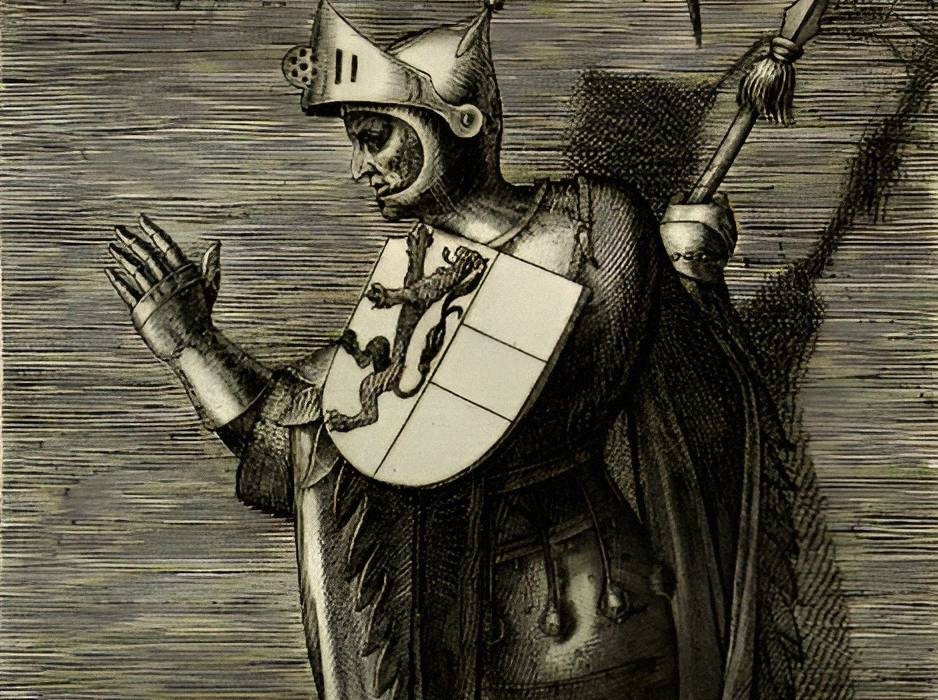
He answered the call of nature when his enemies decided to put an end to his story.
The earliest account, recorded just a couple of years after the events, states: Godfrey stepped away “to answer nature’s call.” In those times, toilets were built in