This fall, Apple is preparing to unveil its first foldable smartphone, which is rumored to be called the iPhone Ultra. The starting price is expected to be around $1,999 — making it the most expensive iPhone in history. The company has already figured out how to solve the main problem of foldable screens. Below are six key features of the upcoming device based on leaks and analyst predictions. All details below are based on rumors and forecasts; there are no official confirmations from Apple yet.
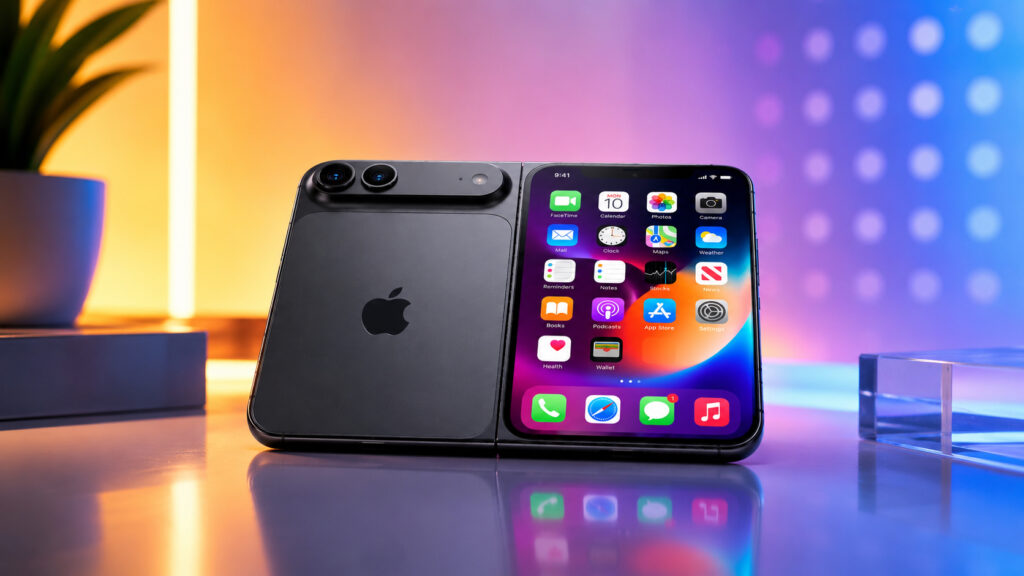
I didn’t think I’d genuinely be looking forward to the iPhone Ultra. It’s very interesting whether Apple can pull off devices like this
What the Foldable iPhone Ultra Design Will Look Like
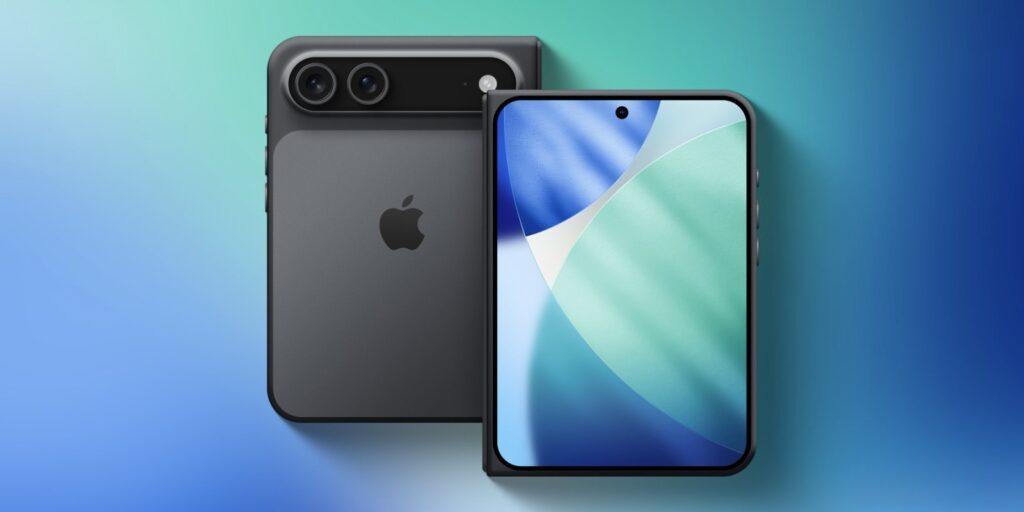
The main intrigue is the device’s form factor. Unlike most foldable smartphones, the iPhone Ultra when unfolded will be wider than it is tall. It’s a book-style fold: the external display is shorter and wider than a regular iPhone, while the internal one resembles an iPad mini in size and proportions.
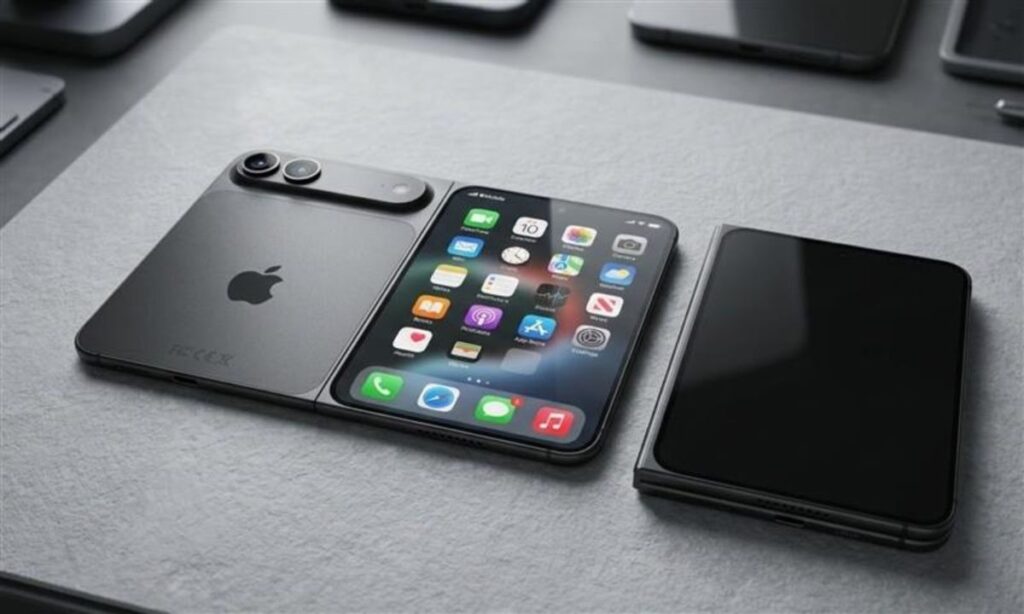
Two cameras will be placed on a bump, like on the iPhone Air, and the body itself will be titanium
Apple has reportedly solved the main problem of foldable screens — the internal display is promised to be without a visible crease. This is a serious step for the form factor if the leaks are confirmed. The design borrows elements from the iPhone Air: a titanium frame, a thin body when unfolded, and when folded the device will resemble two iPhone Airs stacked together, but thinner. There will be only two colors — black and white.
iPhone Ultra Screen Sizes
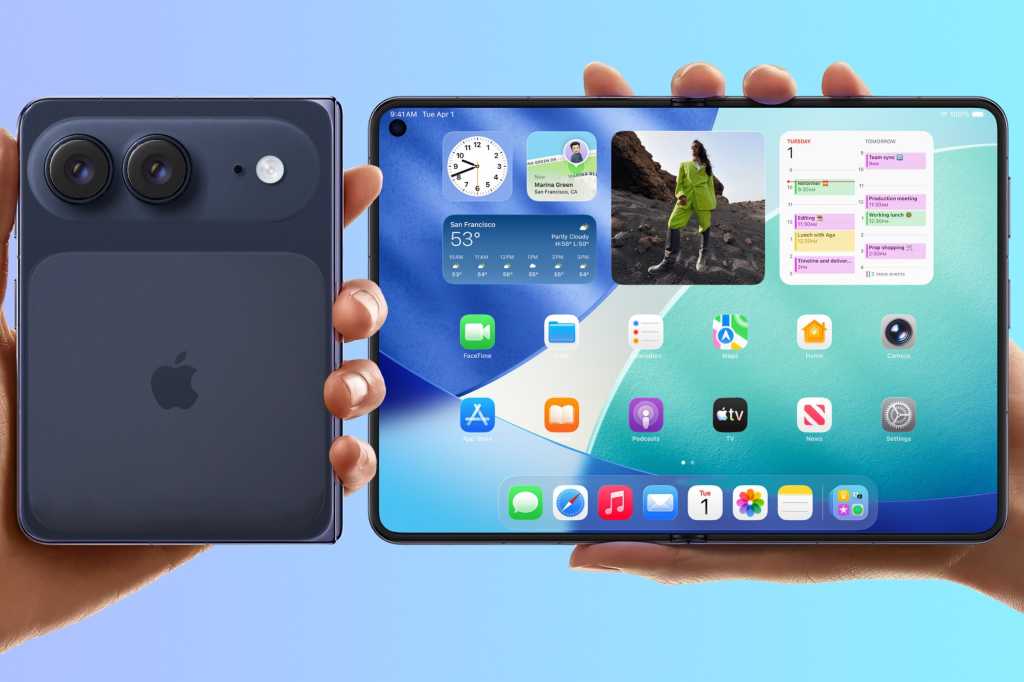
When unfolded, the smartphone will resemble an iPad mini
The iPhone Ultra will have two displays — an external one for everyday use and an internal one that opens when the device is unfolded. According to rumors, the sizes are as follows:
- external screen — 5.3 to 5.5 inches
- internal screen — 7.6 to 7.8 inches
The external display is close in size to the old iPhone mini, but with wider proportions. The internal screen should feel very close to an iPad mini in hand. Essentially, Apple is trying to combine a smartphone and a small tablet in one body.
iPhone Ultra Cameras: What the Leaks Say
The camera situation is more interesting than it seems. There will be only two rear modules — a 48 MP main and a 48 MP ultra-wide. This means Ultra buyers will miss out on the telephoto lens and optical zoom found in Pro models. For a device costing two thousand dollars, this is a debatable decision.
There will be two front-facing cameras — one for each screen. Exact specs are not yet known, but Apple will most likely use the same 18-megapixel Center Stage module that debuted in the iPhone 17. A punch-hole cutout for the camera is expected.
Which iOS 27 Features Will Be Exclusive to iPhone Ultra
iOS 27 will get exclusive features for the iPhone Ultra
iOS 27 will bring features exclusive to the iPhone Ultra. According to Mark Gurman from Bloomberg, there are two main innovations:
- running two apps side by side — side-by-side mode
- iPad-style app layouts
An important nuance: the device will not get full-fledged iPadOS 26 windowed multitasking, and iPadOS will not run on it. Apple is borrowing only certain features from the tablet system, while the OS itself remains iOS. If you were expecting a full-fledged tablet in your pocket — this isn’t it.
iPhone Ultra Specs: A20 Pro, 12 GB of RAM, and C2 Modem
Inside the iPhone Ultra will be the new A20 Pro chip and Apple’s proprietary C2 cellular modem — the same components expected in the iPhone 18 Pro. The A20 Pro promises to be a notable upgrade: it’s being manufactured on a 2-nanometer process and uses WMCM (wafer-level multi-chip module) technology for improved energy efficiency.

The heart of the smartphone will be the A20 Pro chip
RAM will be 12 GB — the same as in the A19 Pro. But the memory will be faster thanks to the switch to LPDDR5. The C2 modem is Apple’s own development, replacing Qualcomm solutions. This is the second iteration of its proprietary modem with its own advantages compared to what’s in the iPhone 17.
Why the iPhone Ultra Won’t Have Face ID
For a model with the Ultra name, this is an unexpected decision: there will be no Face ID in the foldable iPhone. Instead, Apple is bringing back Touch ID and embedding it in the power button — similar to how it’s currently done on the iPad Air and iPad mini.
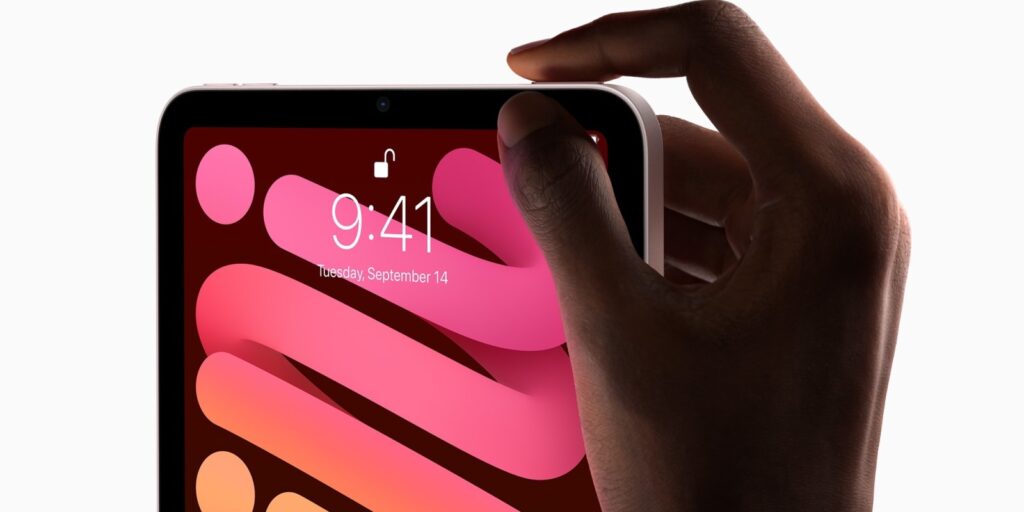
Instead of Face ID, there will be Touch ID in the power button, like on the iPad
The reason is simple — the body is too thin, and engineers simply couldn’t fit two separate Face ID modules in there, one for each screen. It’s possible that future generations will address this, but the first device will ship with a fingerprint scanner.
iPhone Ultra Price in Russia